
Why HVAC Teams Need A Modern CRM

Heating and cooling businesses win on speed, reliability, and repeat work. A modern CRM unites dispatch, marketing, and field operations so everyone sees the same customer history, estimates, photos, and job notes. The result is fewer missed calls, faster bookings, and predictable follow-ups that lift revenue without adding headcount.
What it fixes
- Lost estimates and forgotten follow-ups
- Inefficient routing and idle windshield time
- Duplicate data entry between phones, spreadsheets, and accounting
- Inconsistent service quality across techs and crews
Features that matter in the field
Look for tools designed for basements, rooftops, and busy phones—not just office desktops. Mobile apps should work offline and sync automatically when signal returns. Integrations with accounting, ads, and payments reduce copy-paste errors and let your data flow cleanly end to end.
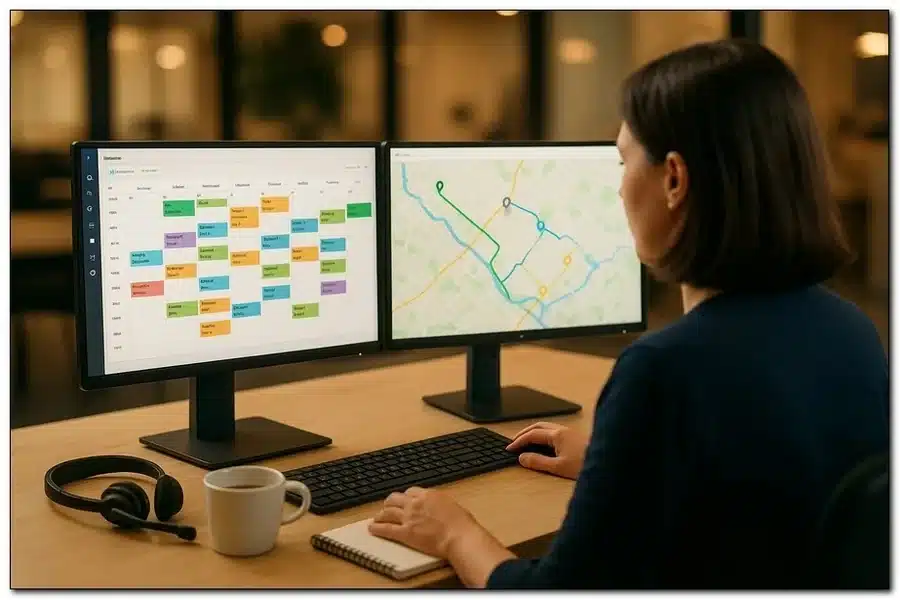
Scheduling & dispatch
- Live capacity view with drag-and-drop calendar
- Route optimization by zone, skill, and traffic
- Two-way texting with arrival ETAs and reminders
- Member-priority slots during peak heat/cold waves
Estimates, invoicing & payments
- Branded estimate templates with e-signatures
- Good-better-best options to raise average tickets
- On-site payments (tap, chip, ACH) and financing links
- Automatic deposits and invoice follow-ups
Parts & inventory awareness
- Truck-level parts lists tied to common fixes
- Low-stock alerts and suggested purchase orders
- Photo capture of replaced components for warranty proof
Implementation in phases
Roll out in weeks, not months, to capture quick wins and keep the team engaged.
- Clean data import: customers, equipment, warranties, service history.
- Standardize checklists: tune-ups, diagnostics, and install QA steps.
- Train dispatch: slot-based booking that protects drive time.
- Train techs: photos, parts used, recommendations before closing jobs.
- Turn on reminders: maintenance, filter changes, unpaid invoices.
Automations that pay for themselves
- Seasonal tune-up campaigns to smooth shoulder seasons
- Post-visit review requests sent 2–3 hours after completion
- Membership renewal nudges 30/7/1 days before expiry
- Heat-wave/cold-snap triage: auto-prioritize members and no-cool/no-heat jobs
Metrics that prove ROI
Track a simple scorecard weekly and adjust staffing, pricing, and marketing from facts—not hunches.
- Response time to book
- Lead-to-job booking rate
- First-time fix rate and callback rate
- Average ticket by job type
- Tech utilization and on-time arrival
- Membership count, renewal rate, and review velocity
Keep the human touch
Technology should amplify service, not replace it. Use plain-language messages, tight arrival windows, and next-step summaries after every visit. A single, well-timed follow-up can prevent breakdowns and win referrals. Used this way, crm for hvac companies becomes a disciplined operating system that protects margins and delights customers.
Pricing & rollout tips
Pilot with one dispatcher and two techs, gather feedback daily, and appoint a power user to refine templates and checklists. Compare cost to outcomes—minutes saved per job, fewer callbacks, higher renewal rates—not just seat price. Document a simple runbook with screen captures, and refresh training at the start of heating and cooling seasons so best practices stick.
In today’s competitive HVAC industry, efficiency and customer satisfaction are everything. A modern CRM system streamlines scheduling, tracks leads, manages service history, and automates follow-ups, helping teams deliver faster, more reliable service. Instead of juggling spreadsheets or outdated tools, technicians and managers gain real-time access to customer data, ensuring no detail is missed. This not only improves communication but also boosts trust and loyalty. With features like mobile access, invoice automation, and performance tracking, a CRM empowers HVAC businesses to scale with confidence. Simply put, a modern CRM turns challenges into opportunities for long-term growth.