
Weed Vape Australia: Technology, Product Quality, and the Regulatory Landscape
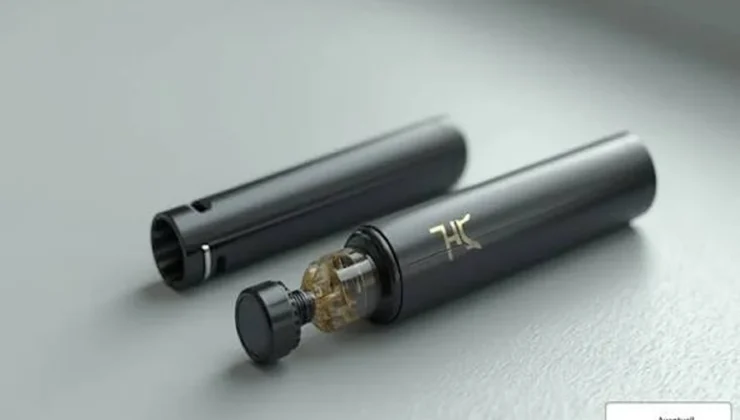
The phrase weed vape Australia sits at the intersection of consumer technology, cannabis regulation, and increasingly sophisticated vaporisation hardware. It is also a search term that can easily lead to confusion because “weed vape” is used informally to describe several different product categories, while Australian law distinguishes between vaping devices, medicinal cannabis products, and therapeutic vaping goods.
For anyone researching this category seriously, the important questions go far beyond appearance or battery capacity. Heating architecture, temperature management, chamber construction, airflow, electrical safety, manufacturer support, intended use, and regulatory status all influence whether a particular device is appropriate for a given application. In Australia, these considerations are especially important because medicinal-cannabis vaping devices are subject to specific TGA requirements, and the rules governing vaping goods have changed substantially since 2024.
The result is a market where technical specifications and regulatory compliance need to be considered together. A device available on an overseas website is not automatically a product that can lawfully be imported or supplied in Australia, and a product described online as “medical” is not necessarily a TGA-approved medical device.
The Engineering Behind Modern Weed Vape Devices
Modern vaporisation hardware is essentially a compact thermal-management system. Electrical energy is supplied to a heating element, the heating system raises the temperature within a controlled chamber, and the device manages airflow through the resulting vapour pathway.
The difficult part is maintaining predictable thermal behaviour in a small enclosure.
A heater does not operate in isolation. Battery voltage, sensor positioning, chamber material, airflow, insulation, firmware, and the physical arrangement of internal components can all influence performance. When one variable changes, the others may need to compensate.
This explains why two vaporisers with similar advertised temperature ranges can behave differently in practical use. One may have sophisticated power regulation and thermal feedback, while another simply cycles the heater on and off according to a basic control algorithm.
The difference is not necessarily visible from the outside.
Conduction, Convection, and Hybrid Heating
Heating architecture remains one of the most meaningful technical differences between vaporiser designs.
Conduction heating transfers heat primarily through direct contact with a heated surface. This approach can allow manufacturers to create compact devices with relatively simple internal architectures, although heat distribution across the chamber needs careful management.
Convection heating uses heated air to transfer thermal energy through the chamber. This makes airflow an integral component of the heating system and can require more sophisticated coordination between the heater, sensors, chamber, and control electronics.
Hybrid heating combines elements of both methods. It attempts to balance direct heating with heated airflow, but the presence of two heating mechanisms does not automatically make a product superior.
The quality of the implementation matters more than the terminology used on the packaging.
Temperature Control Is More Important Than a Large Temperature Range
Temperature is one of the most heavily advertised specifications in the vaporiser market, but a large range of settings should not automatically be interpreted as precision.
The meaningful question is how consistently a device maintains its selected thermal conditions.
A temperature sensor positioned near the heater can record a different value from the actual environment within the chamber. Airflow can also change heat transfer, while battery voltage and internal temperature can influence heater behaviour.
Modern devices can use electronic feedback to compensate for these changes. Better systems can continuously adjust power rather than relying on a simple fixed heating cycle.
For this reason, thermal stability is often a more useful measure of engineering quality than the number of temperature settings listed on a product page.
Chamber Design and Material Selection
The chamber is where the heating system interacts directly with the material being vaporised, making its construction particularly important.
Manufacturers can use different materials and geometries depending on the intended device architecture. Stainless steel and ceramic components are common in various vaporiser designs, while some systems incorporate glass or specialised engineered materials in other parts of the pathway.
There is no single chamber material that automatically defines a premium product.
Instead, consider how the material interacts with the heater and airflow system. Thermal conductivity, heat retention, durability, manufacturing tolerances, and ease of maintenance all matter.
A retailer claiming that a device has a “premium chamber” without specifying the actual material provides considerably less useful information than a manufacturer that documents the construction in detail.
Airflow Is a Core Part of the System
Airflow is sometimes treated as a secondary feature, even though it can significantly influence how a vaporiser operates.
The internal pathway controls how air travels through the heating area and toward the mouthpiece. Its dimensions, shape, length, and materials can affect airflow resistance and thermal behaviour.
The pathway also has practical implications for maintenance. Narrow or complicated passages may be more difficult to clean, while removable components can simplify routine servicing.
A well-designed vaporiser therefore needs to balance airflow performance, thermal management, cooling, and serviceability.
These factors are interconnected rather than independent.
Battery Technology and Electrical Design
Portable vaporisers require batteries capable of delivering sufficient electrical power to the heating system without compromising the device’s compact form factor.
Battery capacity is often promoted as a headline specification, but it is only one part of the equation. Power efficiency, heater requirements, charging electronics, battery condition, operating temperature, and control software all influence actual endurance.
A high-capacity battery does not necessarily mean a device will perform better for longer.
Electrical safety is equally important. A reputable manufacturer should provide clear information about charging, battery specifications, compatible charging equipment, and appropriate operating conditions.
Buyers should be cautious about devices with unclear battery information or poorly documented charging systems.
Portability Comes With Engineering Trade-Offs
The appeal of a portable vaporiser is obvious, but reducing its size creates limitations.
Manufacturers have to fit the battery, heating element, chamber, control electronics, sensors, airflow pathway, and insulation into a relatively small enclosure. There is only so much physical space available.
A compact device may therefore sacrifice battery capacity or thermal-management space. A larger device can accommodate more substantial components but may be less convenient to carry.
There is no universally correct form factor.
The best architecture depends on the intended application and which characteristics matter most to the user.
Build Quality and Long-Term Reliability
A product should not be judged solely by how premium it feels when first handled.
Long-term reliability depends on the quality of its electrical, thermal, and mechanical components. Buttons, charging ports, mouthpiece connections, seals, chamber components, and removable parts can all affect ownership over time.
Warranty support is particularly revealing.
A manufacturer that provides clear warranty conditions, replacement parts, technical documentation, and customer support generally offers a stronger long-term proposition than an unknown seller with limited information.
This matters because vaporisers are more complicated than simple accessories. A failure in one component can make the entire device difficult or impossible to use.
How to Evaluate a Weed Vape Australia Product Page
A professional evaluation should begin with the exact manufacturer and model rather than the product’s marketing name.
Look for specific information about:
- Heating technology
- Chamber construction
- Temperature-control system
- Battery specifications
- Charging method
- Vapour-path materials
- Dimensions and weight
- Warranty
- Replacement components
- Intended purpose
- Australian regulatory status where applicable
Be particularly cautious about unsupported phrases such as “medical grade,” “TGA approved,” “professional,” or “premium.”
A marketing description does not establish regulatory approval.
For medicinal-cannabis devices, the TGA states that manufacturers must generate and maintain scientific, engineering, and clinical evidence demonstrating compliance with the Essential Principles of Safety and Performance.
That is a substantially higher standard than simply placing “medical” in a product title.
Why Australian Regulation Matters
The Australian regulatory environment is an essential part of understanding weed vape Australia.
The TGA explains that the 2024 vaping reforms introduced a national framework covering the importation, domestic manufacture, supply, commercial possession, and advertising of vaping goods.
The TGA also states that non-pharmacy retail businesses cannot supply vapes in Australia and that advertising or promotion of vaping goods is generally prohibited unless authorised.
This makes Australian product pages fundamentally different from many overseas listings.
A website showing a product for sale does not by itself establish that the product can lawfully be supplied in Australia.
For businesses publishing SEO content around cannabis vaporisation, regulatory wording therefore needs to be particularly precise.
Medicinal Cannabis Vaping Is a Separate Regulatory Category
Medicinal cannabis vaping devices have their own regulatory requirements.
The TGA states that medicinal cannabis vaping devices are medical devices and generally need to be included in the Australian Register of Therapeutic Goods (ARTG) before they can be imported, manufactured, or supplied in Australia. There are limited pathways for unapproved devices where registered products are not clinically appropriate.
The same TGA guidance covers not only complete devices but also certain components and accessories intended specifically for medicinal-cannabis vaping, including replacement parts and some empty cartridges or capsules.
This is an important distinction because the casual phrase weed vape does not determine the regulatory classification of a product.
The intended use and representation of the device matter.
Current TGA-Approved Medicinal Cannabis Devices
The TGA’s current list, updated 5 June 2026, identifies medicinal-cannabis vaping devices included in the ARTG and approved for quality, safety, and performance. The listed devices include SyqeAir Inhaler, Mighty+ Medic, Volcano Medic 2, and Grenco Medical Elite II.
The list is particularly useful when researching Australian medicinal-cannabis vaporisation because it provides a stronger basis for regulatory claims than retailer descriptions.
The TGA notes that the list will be updated periodically, so businesses and consumers should consult the current government information rather than relying on an old article or archived product page.
For patients who have been prescribed medicinal cannabis for vaping, the TGA recommends discussing the appropriate compatible device with a doctor, nurse practitioner, or pharmacist.
Device Approval Is Not the Same as Cannabis Approval
This distinction is often overlooked.
A vaporising device can be a regulated medical device, while the medicinal cannabis being administered is regulated as a separate therapeutic product.
The TGA explains that filled cartridges, pods, and disposable products containing medicinal cannabis are regulated differently from unfilled vaping devices.
This means the status of a device should not be used to make assumptions about the legal status or approval of a particular cannabis product.
For Australian content, this distinction is important because vague statements can easily create misleading impressions about what has actually been assessed or approved.
Why Manufacturer Documentation Matters
Good documentation is one of the strongest indicators of a serious product.
A manufacturer should be able to provide meaningful information about the device’s construction, intended use, operating conditions, maintenance, battery system, and applicable safety requirements.
For regulated medicinal-cannabis devices, the TGA’s guidance specifically addresses scientific, engineering, and clinical evidence as well as relevant industry standards.
That provides an important benchmark for evaluating manufacturers.
The more technically complex a product becomes, the less useful vague marketing language becomes. Detailed documentation allows buyers, healthcare professionals, and regulators to understand what the device is actually designed to do.
Maintenance Should Influence the Buying Decision
Maintenance is often ignored until a device begins to perform poorly.
Residue can accumulate around the chamber, screens, mouthpiece, and airflow pathway. Depending on the design, these components may require regular cleaning or eventual replacement.
Before choosing a vaporiser, investigate how easily serviceable components can be accessed and whether replacement parts are available.
A device supported by a long-term parts ecosystem can be significantly more practical than a cheaper product that becomes difficult to maintain.
Always follow the manufacturer’s cleaning instructions, particularly when dealing with electronic components, seals, batteries, and specialised chamber materials.
Weed Vape Australia: What Should Buyers Actually Compare?
A useful comparison should focus on the entire product rather than one headline specification.
| Factor | What to examine |
| Heating | Conduction, convection, or hybrid architecture |
| Temperature | Control method and thermal stability |
| Chamber | Material, size, geometry, and construction |
| Airflow | Pathway design and maintenance |
| Battery | Capacity, power delivery, charging, and safety |
| Materials | Chamber and vapour-path construction |
| Maintenance | Cleaning process and replacement components |
| Reliability | Warranty and manufacturer support |
| Intended use | General device versus regulated medicinal application |
| Regulation | Australian TGA/ARTG status where applicable |
This type of comparison produces a more realistic assessment than simply ranking products according to price.
Marketing Claims That Deserve Scrutiny
The vaporiser market contains plenty of attractive terminology.
“Precision heating” sounds impressive, but buyers should ask what makes the heating precise. “Medical grade” sounds authoritative, but what certification or regulatory status supports the claim? “Advanced battery technology” is vague unless the manufacturer explains the battery system.
The same principle applies to claims about being “TGA approved.”
Regulatory approval should be independently verifiable through Australian Government resources. The TGA maintains a specific list of medicinal-cannabis vaping devices approved for supply in Australia.
A sophisticated buyer separates marketing language, technical specifications, and regulatory evidence rather than treating them as equivalent.
Weed Vape Australia and Online Purchasing
Online searches can make international products appear immediately accessible, but Australian regulations complicate the situation.
The TGA states that medicinal cannabis products and associated vaping products must be obtained through appropriate legal channels, and patients can access medicinal cannabis from pharmacies with a prescription. The TGA specifically warns that obtaining medicinal cannabis or vaping products from tobacconists, vape shops, convenience stores, or online stores that are not registered pharmacies is unlawful.
For this reason, Australian consumers should verify the supply pathway before purchasing products advertised online.
A professional content strategy should also avoid implying that an overseas product listing automatically establishes lawful Australian availability.
The Future of Cannabis Vaporisation Technology
The technical side of vaporisation continues to develop through better sensors, electronic control systems, battery management, thermal materials, and compact component design.
At the same time, regulatory expectations are becoming more detailed.
The TGA’s July 2026 guidance explains that manufacturers of medicinal-cannabis vaping devices need appropriate evidence demonstrating compliance with the Essential Principles and should identify relevant standards according to the device’s specific design and intended use.
This could push the regulated segment toward greater transparency.
Instead of relying primarily on aesthetics and advertising, manufacturers will increasingly need to demonstrate that their devices have been designed, tested, documented, and supported appropriately.
Why Quality Matters More Than Feature Count
A long feature list can make a vaporiser appear technologically advanced, but features only have value when they work together.
A sophisticated temperature controller needs suitable sensors. A powerful heater requires an appropriate battery system. A compact design needs effective heat management. An advanced airflow pathway needs to remain practical to maintain.
The strongest devices therefore tend to be defined by system integration.
It is similar to comparing two cars: horsepower alone does not determine the quality of the vehicle. Suspension, transmission, brakes, cooling, electronics, and chassis design all need to work together.
Vaporiser engineering follows much the same principle.
Conclusion
The weed vape Australia market should be evaluated through two lenses: engineering quality and Australian regulation.
From a technical perspective, heating architecture, temperature management, chamber materials, airflow, battery engineering, thermal control, maintenance, and long-term manufacturer support all contribute to the quality of a device. A large temperature range or impressive-looking exterior does not automatically indicate superior engineering.
From a regulatory perspective, the distinction between a general vaporising device and a medicinal-cannabis vaping device is crucial. The TGA states that medicinal-cannabis vaping devices generally need ARTG registration for lawful importation, manufacture, or supply, subject to specific pathways. The TGA’s current approved list includes SyqeAir Inhaler, Mighty+ Medic, Volcano Medic 2, and Grenco Medical Elite II.
For anyone researching weed vape Australia, the smartest approach is therefore not to chase the cheapest product or the longest list of features. Examine the engineering, verify manufacturer claims, understand the intended purpose, consider long-term support, and check current Australian regulatory information before making conclusions about legality or availability.


