
What to Consider Before Remodeling Your Kitchen
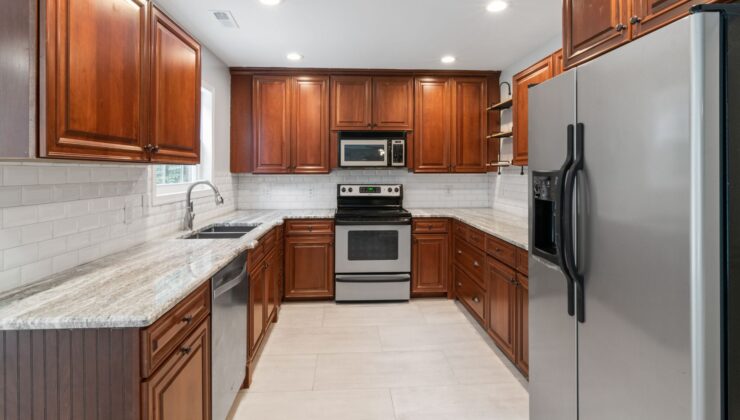
Start With What Is Not Working
A kitchen remodel often begins with inspiration. New cabinets, updated countertops, better lighting, and modern appliances can make an older kitchen feel completely different.
Before choosing any of those things, however, it helps to identify what is actually wrong with the current space.
Maybe there is not enough storage. Perhaps the layout makes cooking inconvenient, the countertops are difficult to maintain, or the kitchen simply no longer fits the way the household uses it.
Starting with these problems gives the project a clearer direction. Instead of making changes simply because they look good, homeowners can focus their budget on improvements that will make a noticeable difference.
For homeowners considering kitchen remodeling Sacramento, this planning stage can involve everything from smaller cabinet and countertop updates to layout changes and complete renovations. GVD Renovations, for example, handles cabinetry, countertops, flooring, lighting, plumbing, electrical work, islands, and open-concept conversions as part of its kitchen remodeling services.
Get the Layout Right First
A beautiful kitchen can still be frustrating if the layout does not work.
Before selecting finishes, consider how people actually move through the room. Think about where groceries are unpacked, where meals are prepared, how easily the refrigerator and sink can be reached, and whether multiple people can use the kitchen without constantly getting in each other’s way.
Some kitchens can be improved without changing the existing footprint. Others may benefit from moving an island, changing appliance placement, or opening the room to an adjoining space.
Layout changes can affect plumbing, electrical work, cabinetry, and construction costs, so these decisions are best made early.
Think Carefully About Storage
Storage is one of those things homeowners rarely complain about having too much of.
Traditional cabinets may provide plenty of space on paper but still waste corners or make frequently used items difficult to reach. A remodel provides an opportunity to think more strategically about where everything belongs.
Useful options can include:
- Deep drawers for pots and pans
- Pull-out pantry storage
- Drawer organizers
- Cabinets designed around specific appliances
- Island storage for frequently used items
GVD’s cabinetry options, for example, include features such as roll-out shelves, drawer organizers, and custom solutions for unusual kitchen dimensions.
The goal is not simply to add more cabinets. Good storage should make the kitchen easier to use.
Set a Realistic Budget
Kitchen renovations can vary significantly in scope and price.
Replacing hardware and updating a backsplash is very different from installing new cabinetry, moving plumbing, or removing a wall. Homeowners should decide early what they are comfortable spending and which improvements matter most.
It is also useful to separate essential work from optional upgrades.
If the existing cabinets are damaged, replacing them may deserve more of the budget than decorative features. If the layout already works well, keeping it intact could leave more room for better materials or appliances.
Some flexibility in the budget is also wise. Even careful planning cannot always predict what will be discovered once work begins.
Choose Materials for Everyday Use
A kitchen is not a room that sits untouched.
Countertops deal with spills and food preparation. Floors experience heavy traffic. Cabinets are opened repeatedly throughout the day, and backsplashes need to handle cooking messes.
Materials should therefore be selected according to how the kitchen will actually be used.
Appearance still matters, but homeowners should also consider durability, cleaning requirements, and how materials may age. A surface that looks impressive in a showroom may become frustrating if it requires more maintenance than the household is willing to provide.
This is also where seeing materials in person can help. Comparing countertop textures, cabinet finishes, flooring, and tile under real lighting can make choices easier than relying entirely on photographs.
Lighting Deserves More Attention
Lighting can completely change how a kitchen functions.
General ceiling lighting may illuminate the room, but food preparation and other tasks often require more focused light. Pendant lights over an island, under-cabinet lighting, and natural light can all serve different purposes.
Homeowners should think about lighting while planning the layout rather than treating it as a final decorative decision.
Electrical outlets deserve similar attention. Modern kitchens often contain numerous appliances and devices, so outlet placement should reflect where those items will actually be used.
These details are much easier to plan before construction than to change afterward.
Do Not Design Only for Trends
Kitchen trends change quickly.
Certain cabinet colors, hardware finishes, backsplashes, and layouts may dominate design feeds for a few years before something completely different takes their place.
There is nothing wrong with using trends for inspiration, but expensive elements should ideally have some staying power.
Homeowners can keep larger investments relatively versatile while experimenting more with paint, lighting, hardware, stools, and decorative elements that are easier to replace.
A kitchen should ultimately reflect the people using it rather than looking exactly like every popular kitchen online.
Consider How Your Needs May Change
A kitchen renovation may remain in place for 15 or 20 years, making future needs worth considering. GVD notes that this is a common timeframe between significant kitchen updates, although individual components may be refreshed sooner.
A growing family may need more storage and seating. Someone planning to stay in the home long term may care about accessibility and easy-to-maintain materials. Households that entertain frequently may place more value on open gathering areas.
It is impossible to predict every future change, but avoiding overly specific design decisions can make a kitchen more adaptable.
Plan Before Construction Begins
One of the best ways to make a renovation easier is to make important decisions before work starts.
Layout, cabinetry, countertops, appliances, lighting, flooring, and other major selections often affect one another. Changing one decision halfway through construction can create additional work elsewhere.
Homeowners who are still at the research stage can also explore resources such as RemodelingNation.com when looking into remodeling options and gathering information before moving forward with a project.
A Good Kitchen Remodel Starts With Good Decisions
The most successful kitchen remodel is not necessarily the one with the largest budget or the newest trends.
It is the one that solves the problems of the existing kitchen.
A better layout, useful storage, durable materials, appropriate lighting, and realistic planning can have a much greater impact on everyday life than purely cosmetic changes.
Taking time to understand priorities before construction begins helps homeowners spend their renovation budget where it matters most and create a kitchen that continues working well long after the project is finished.