
Unconventional Wall Materials: Exploring the New Trends
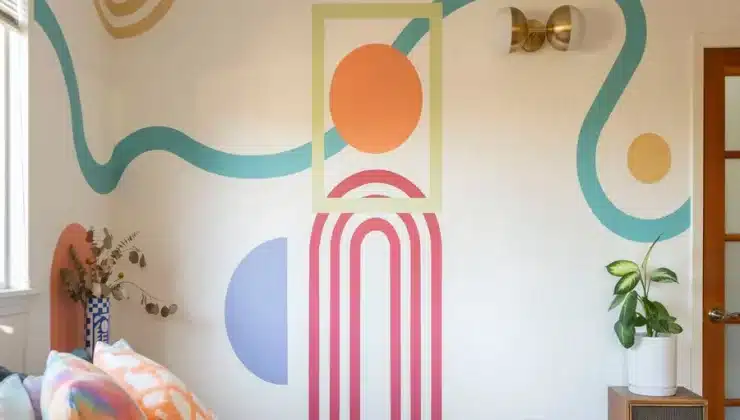
Interior design is a continuously developing phenomenon and one of the most promising changes in recent years is the emergence of unconventional wall materials. Gone are the times when walls were painted in a neutral color or in some average wallpaper. The designers of today are playing with new materials, which break the norms, and introduce new textures, colors, functionality to the walls. Several of the most thrilling unconventional wall materials becoming popular within the interior design field that we are going to discuss in this article provide both visual interest and utility.
The Shift Towards Unique Wall Materials
Drywall and paint have been the common options of wall building material used in residential and commercial premises over the decades. But with the change in the design patterns to more eco-friendly, innovative and personal designs, homeowners and designers are exploring the alternatives. The unconventional wall materials have become a means to show personality, use natural materials and even enhance the functionality of a space.
These new materials not only bring aesthetically pleasing appearances, but also have the added advantage of better acoustics, better insulation, and being eco-friendly. Within this changing environment, materials like reclaimed wood, concrete, cork, and even living plant walls are having a significant influence in the way interior spaces are designed.
Reclaimed Wood: Rustic Charm with Sustainability
Reclaimed wood is one of the most popular unusual wall materials nowadays. Made of old barns, factories, and other buildings, this material adds a rustic quality to a room and a sense of history. Due to its eco-friendly performance and natural beauty, the wood would be the best choice that can provide people with the opportunity to make a work environment warm and welcoming and to make a sustainable choice at the same time.
Interiors become more interesting and textured with reclaimed wood walls, which may feature planks of different shades of brown, gray, and some traces of blue. This material is most versatile, as it can be applied in a classic style or a modern style Unique walls. Reclaimed wood can be used as a single accent wall or on all four sides of a room and has a classic look that perfectly matches urban and country living.
Also, reclaimed wood is very sustainable. This material minimizes the environmental footprint associated with the production of new wood, and by recycling the materials that are otherwise wasted, this material can help many homeowners who are environmentally conscious make a better choice.
Concrete: Industrial Elegance Meets Functionality
Another material that is becoming trendy in modern interior design is concrete. Although the material is usually regarded as rough and industrial, concrete is now being used as a smooth and modernized interior wall material. This makes it an attractive product in the current day home and office, due to its minimalist design, durability and versatility.
Concrete walls can be completed in many different forms, and the surface can be smooth and polished or rough and textured to create a raw, industrial texture. The neutral range of color used in the material (starting with light grays and shades becoming darker) predetermines the ability of the material to match with almost any style, including ultra-modern and minimal.
In addition to its visual quality, concrete has practical advantages, including better sound insulation and thermal mass that can be used to control the inside temperature levels. The concrete walls are especially useful in houses with extreme temperatures, as it absorbs and releases heat. Also, concrete is very strong and needs very little maintenance, and hence it is a durable material in individual and business places.
Cork: Eco-Friendly and Acoustic-Friendly Walls
Cork is a relatively new yet trending unconventional wall material, thanks to its wide range of advantages, in particular, its environmental friendliness and soundproofing features. This is made by harvesting cork oak tree bark, so it is renewable, biodegradable, and a great alternative to conventional wall coverings.
Cork is inherently acoustically absorbent; it is best suited to areas that need to be soundproofed, like a home office, a studio, or an overcrowded urban apartment. It is also lightweight and can be cut and moulded into tiles or panels which are easy to install. Cork walls come in a wide range of colors and finishes, including natural beige colors or bright colors, and have ample design possibilities.
In addition to the acoustic advantages, cork is also a very sustainable material. Cork is one of the most renewable resources in the world since cork oak trees can live up to over 200 years and their bark regenerates after harvesting. This leaves cork a great option to those who are environmentally conscious and wish to lower their carbon footprint besides beautifying their interior spaces.
Living Walls: Bringing Nature Inside
Living walls, also known as green walls or vertical gardens, are perhaps one of the most unique and unconventional wall materials in today’s interior design landscape. These walls are covered with plants, ranging from small succulents to lush, tropical species, creating a stunning display of greenery that brings life to any room.
In addition to their aesthetic appeal, living walls offer numerous practical benefits. They help improve indoor air quality by filtering toxins and releasing oxygen, creating a healthier environment. Living walls also contribute to temperature regulation, as the plants naturally cool the surrounding area through the process of evapotranspiration.
Living walls require a bit of maintenance to ensure the plants stay healthy, but many systems are designed to make care easy. With the right setup, these green walls can be a low-maintenance feature that transforms any space into an eco-friendly oasis.
Textile and Fabric Walls: Soft and Cozy Spaces
Fabric and textile walls are an unconventional choice that is gaining popularity for their ability to add softness, texture, and warmth to any space. These walls are typically created using a variety of fabrics, including linen, velvet, wool, and silk, which are stretched or upholstered over panels to create a luxurious, tactile surface.
One of the key benefits of fabric walls is their ability to enhance a room’s acoustics. The soft materials absorb sound, making fabric-covered walls an ideal choice for spaces like home theaters, music rooms, or any area where sound quality is a priority. These walls can also add a sense of coziness and comfort to a room, making them a perfect choice for bedrooms or living rooms.
Fabric walls can be customized in a variety of patterns, colors, and textures, allowing homeowners to experiment with different looks. Whether you choose a bold, patterned fabric or a more neutral, solid-toned option, fabric walls create a striking visual impact while adding comfort and warmth to the room.
Stone and Marble: Timeless Elegance
While stone and marble walls are not new materials, their use as statement features in interior design has seen a resurgence in recent years. These materials, known for their timeless elegance and luxury, have evolved beyond traditional uses in countertops and flooring to become stunning wall treatments.
Stone walls, whether made of granite, limestone, or slate, bring an earthy, organic feel to interiors. The natural variations in color and texture create a sense of depth and movement, making these materials perfect for creating dramatic focal points in any room. Similarly, marble, with its smooth, polished surface and distinctive veining, offers a sophisticated, high-end look that elevates any space.
Both stone and marble are incredibly durable and long-lasting, making them ideal for high-traffic areas. They are also relatively low-maintenance, requiring only periodic cleaning to maintain their appearance. As more designers embrace natural materials in their work, stone and marble are becoming key components in modern interior design.
The Future of Unconventional Wall Materials
The future of unconventional wall materials looks bright, with ongoing innovations in design and technology. As sustainability continues to be a key factor in design choices, we can expect to see even more eco-friendly materials being developed for use in interior spaces. From recycled materials to biodegradable options, the trend toward environmentally-conscious design is likely to grow.
Furthermore, with the continued advancements in smart home technology, we may see more interactive wall materials that incorporate digital elements. Walls that change color or display dynamic artwork are becoming increasingly common, offering a glimpse into the future of interior design.
Conclusion
Emerging wall materials are changing how we treat interior design to provide new aesthetic, functional and sustainable opportunities. Reclaimed wood, cork, and living walls can all be used to offer new means of expression and improve the functionality of a place. With the current trend in design, the scope of what can be done with the unusual materials will keep on increasing and provides us with even more chances to customize and be creative in our interiors.