
The Role of Telematics in Fleet Management
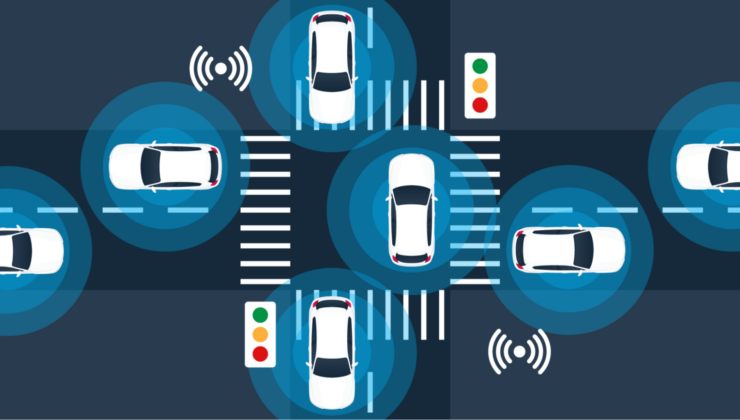
Modern fleet operations generate massive amounts of data from vehicles, drivers, routes, fuel usage, and maintenance activities, making real-time visibility essential for efficient decision-making. Telematics—the combination of telecommunications, GPS, sensors, and onboard diagnostics—has become a core technology in fleet management by enabling businesses to collect, transmit, and analyze vehicle data continuously. According to industry forecasts, the global commercial vehicle telematics market is expected to exceed $90 billion by 2030, driven by increasing demand for connected fleets, regulatory compliance, and operational efficiency.
For businesses investing in logistics fleet management, telematics provides the real-time insights needed to optimize routes, monitor vehicle health, improve driver performance, and reduce operating costs. It also supports compliance with safety regulations while helping fleet managers respond quickly to unexpected events. As connected vehicle technologies continue to evolve, telematics is becoming the foundation of smarter, more efficient, and data-driven fleet operations.
How Telematics Enhances Fleet Visibility and Operational Efficiency
Telematics provides fleet managers with real-time visibility into vehicles, drivers, and operations by combining GPS tracking, onboard diagnostics, and IoT sensor data. Instead of relying on manual updates, businesses can monitor fleet performance continuously, enabling faster decision-making and more efficient daily operations.
Core telematics components include:
- GPS tracking for real-time vehicle location and route monitoring
- Vehicle diagnostics to detect engine issues and monitor system performance
- IoT sensors that collect data on fuel usage, driver behavior, mileage, and cargo conditions
One of the biggest advantages of telematics is improved route monitoring and dispatch optimization. Fleet managers can track vehicle locations in real time, reroute drivers around traffic, assign the nearest available vehicle to new jobs, and improve delivery accuracy. This reduces unnecessary mileage and helps maximize vehicle utilization.
Telematics also supports fuel consumption monitoring by identifying excessive idling, speeding, harsh braking, and inefficient routes. These insights help businesses lower fuel costs while encouraging more efficient driving habits. At the same time, continuous vehicle health monitoring enables predictive maintenance, allowing maintenance teams to address issues before they lead to costly breakdowns or unplanned downtime.
Overall, telematics turns operational data into actionable insights that improve resource allocation, increase fleet productivity, reduce operating costs, and help businesses make smarter, data-driven decisions.
Improving Driver Safety and Regulatory Compliance
Driver safety is a top priority for fleet operators, and telematics provides the tools needed to monitor driving behavior, reduce risks, and ensure compliance with industry regulations. By collecting real-time data from connected vehicles, businesses can identify unsafe driving patterns, improve driver performance, and maintain accurate compliance records without relying on manual processes.
One of the most valuable capabilities of telematics is driver behavior monitoring. Fleet managers can track speeding, harsh braking, rapid acceleration, excessive idling, sharp cornering, and potential fatigue indicators. This data helps identify risky driving habits and provides opportunities for targeted coaching and performance improvement.
Telematics also enhances safety through real-time alerts. Drivers can receive immediate notifications when unsafe behaviors are detected, while fleet managers are alerted to critical events that require attention. This proactive approach helps prevent accidents, reduces vehicle wear and tear, and promotes a stronger safety culture across the organization.
In addition to improving safety, telematics simplifies regulatory compliance. Electronic logging devices (ELDs) automatically record driving hours and support Hours of Service (HOS) compliance, reducing paperwork and minimizing the risk of violations. Automated reports also make it easier to prepare for inspections and audits by keeping accurate, up-to-date records in a centralized system.
Key benefits include:
- Continuous monitoring of driver behavior and vehicle usage
- Real-time alerts that support safer driving and accident prevention
- Automated electronic logging and HOS compliance
- Simplified reporting and improved audit readiness
- Lower insurance costs and operational risks through safer fleet operations
By combining driver monitoring, real-time coaching, and automated compliance tools, telematics helps businesses build safer fleets, reduce regulatory risks, and improve overall operational performance.
Integrating Telematics into a Modern Fleet Ecosystem
The true value of telematics is realized when it is integrated with the broader fleet technology ecosystem. Rather than operating as a standalone solution, telematics can connect with fleet management software, maintenance platforms, ERP systems, and other business applications to create a centralized environment for managing vehicles, drivers, and operations. This integration enables seamless data sharing, eliminates information silos, and provides a complete view of fleet performance.
Combining telematics with advanced analytics and AI allows businesses to move beyond monitoring and toward predictive decision-making. AI-powered insights can identify inefficient routes, forecast maintenance needs, optimize fuel consumption, and recommend operational improvements based on historical and real-time data. These capabilities help reduce operating costs, improve vehicle utilization, and support more efficient resource planning.
When implementing a telematics solution, organizations should consider several key factors:
- Compatibility with existing fleet management, ERP, and maintenance systems
- Scalability to support fleet growth and future technology upgrades
- Real-time data processing and reliable connectivity
- Strong security measures to protect sensitive operational data
- User-friendly dashboards and reporting tools for actionable insights
To maximize the value of telematics, many businesses partner with experienced software providers. COAX Software develops custom fleet management solutions that integrate telematics platforms with existing business systems, creating unified workflows and centralized data visibility. By tailoring integrations to specific operational requirements, COAX helps organizations improve efficiency, automate processes, and build scalable fleet ecosystems that support long-term business growth.
Turning Fleet Data into Better Decisions
Telematics has become an essential technology for businesses looking to improve fleet visibility, operational efficiency, and driver safety. By providing real-time insights into vehicle performance, driver behavior, fuel consumption, and maintenance needs, it enables organizations to make faster, data-driven decisions while reducing costs and minimizing operational risks.
Investing in an integrated telematics solution delivers long-term value by connecting fleet data with broader business systems, improving compliance, optimizing resource utilization, and supporting predictive decision-making. As fleets continue to grow and operations become more complex, organizations that embrace connected, intelligent fleet management will be better positioned to enhance performance, increase safety, and maintain a competitive advantage.


