
How Long Cedar Fences Last: Durability Insights for 2025 Installations
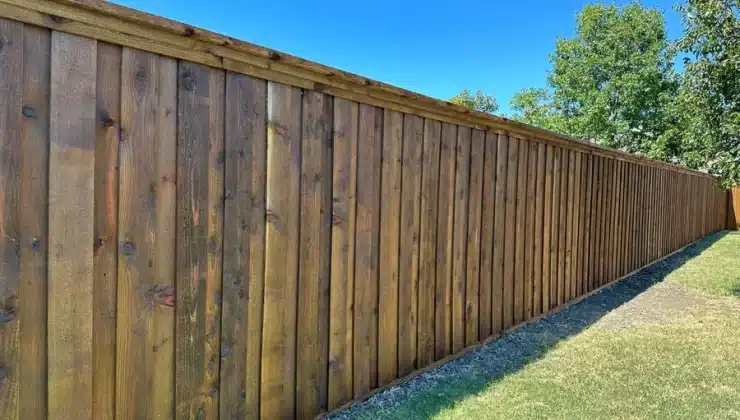
Cedar fences are a popular choice for homeowners seeking a blend of natural beauty and durability. Known for their resistance to decay and insects, cedar fences stand out as a reliable option for long-term outdoor installations. But how long can you really expect them to last, especially with advancements in materials and treatments heading into 2025?
Understanding the lifespan of a cedar fence involves more than just its natural properties. Factors like climate, maintenance, and installation quality play a significant role in determining durability. For those planning a new fence installation in 2025, knowing what to expect can help you make informed decisions and maximize your investment.
Expected Lifespan of Cedar Fencing in Midwest Climates
Cedar fences in Midwest climates generally last 15–25 years. This range depends on factors like wood grade, maintenance practices, and environmental conditions. Cedar’s natural resistance to decay and insects contributes significantly to its longevity, particularly in areas with seasonal weather fluctuations.
High-grade cedar, such as Western Red Cedar, offers superior durability due to its dense grain and natural oils. Lower-grade options may be more affordable but often have shorter lifespans. Sealing and staining the fence every 2–3 years protects it from moisture and UV damage, extending its usability.
Harsh winters and humid summers in the Midwest increase the risk of warping and rotting if fences aren’t properly maintained. Ensuring proper installation, including sufficient ground clearance and sturdy post anchoring, minimizes risks from frost heave and water exposure. Adopting these measures optimizes Cedar Fence Durability in unpredictable Midwest climates.
How Cedar Grades Affect Fence Longevity and Strength
Cedar grades significantly influence the durability and structural integrity of fences. Higher-grade options, such as clear cedar or select tight knot, feature fewer imperfections like knots or cracks, making them more resistant to splitting and warping. These grades, often used in premium installations, enhance cedar fence durability by providing superior natural resilience to environmental stressors.
Lower-grade cedar, including utility or fencing-grade options, contains more knots and irregularities. While more affordable, these grades may weaken over time due to increased susceptibility to decay and structural failures. For example, fences built with fencing-grade cedar may last closer to 15 years in variable Midwest climates, compared to the 25-year lifespan of higher-grade alternatives.
Using Western Red Cedar, a variety known for its high-grade strength and natural decay resistance, is another way to boost fence longevity. This cedar grade resists moisture penetration, helping to prevent rotting and ensuring stability even in humid or frost-prone conditions. Homeowners installing Cedar Rustic-style fences in 2025 often choose such premium materials to achieve both aesthetics and lasting performance.
Installation Techniques That Extend Fence Life in 2025
Proper installation methods are essential to enhance cedar fence durability, especially in challenging Midwest climates. Techniques prioritizing stability and protection from environmental stressors can significantly increase the lifespan of cedar rustic fences.
Elevated Ground Clearance
Positioning fence boards 2–3 inches above ground reduces exposure to moisture and soil-borne decay. This clearance minimizes rot risks and prevents premature weakening of the cedar structure.
Sturdy Post Anchoring
Embedding posts in concrete with a gravel base enhances structural stability. Gravel improves drainage, reducing water retention that can lead to frost heave and post shifting during winter.
Pre-Treatment of Materials
Applying a protective wood sealant or stain to cedar boards before installation creates a moisture barrier. Pre-treating ensures greater resistance to humidity fluctuations, UV damage, and cracking.
Accurate Fastener Selection
Using corrosion-resistant fasteners, such as stainless steel or coated nails, prevents rust stains and prolongs cedar fence durability. Improper fasteners may react with cedar tannins, causing discoloration and weakening.
Spaced Board Installation
Incorporating a slight gap between boards allows ventilation, preventing moisture buildup. This technique reduces warping risks and ensures consistent performance over decades.
Attention to these installation practices supports cedar fence durability, extending their functional life to match the upper range of 20–25 years.
The Role of Moisture and Temperature Swings in Fence Decay
Moisture and temperature fluctuations significantly impact cedar fence durability, particularly in regions with variable climates like the Midwest. Cedar fencing, while naturally resistant to decay, can still absorb excess moisture during humid summers, leading to swelling and softening of the wood fibers. This prolonged moisture exposure accelerates deterioration, especially for lower-grade cedar options.
Temperature swings between harsh winters and warm seasons cause repeated expansion and contraction in cedar wood. This continuous cycle increases the likelihood of cracking and warping over time, undermining structural integrity. Elevated moisture levels combined with freeze-thaw cycles in colder months contribute to frost-related damage, making proper installation techniques critical.
For cedar rustic-style fences, implementing preventative strategies is crucial. Elevating fence posts above the ground minimizes direct water contact. Applying weather-resistant sealants creates an impermeable barrier against moisture absorption. These measures, paired with routine maintenance, enhance the fence’s lifespan, reducing the decay risks linked to extreme climatic shifts.
Maintenance Frequency: How Often Should Cedar Be Sealed?
Regular sealing is essential for maintaining cedar fence durability. Experts recommend applying a sealant every 2–3 years to protect the wood from moisture penetration and UV damage. In regions with challenging weather, such as the Midwest, sealing every two years can enhance longevity, especially for fences exposed to heavy rainfall or prolonged sunlight.
Sealing forms a protective barrier that reduces the risks of warping, cracking, and decay. High-grade cedar, such as Western Red Cedar, retains its rustic appearance and durability better when treated consistently. Cedar fences left unsealed or neglected for extended periods are more likely to suffer from discoloration, fungal growth, and weakened structural integrity.
In addition to sealing, regular inspections for signs of weathering or damage, such as soft wood or splitting, ensure timely sealing applications. For newly installed cedar fences, applying an initial sealant within a few weeks after construction prevents early deterioration. Adhering to this maintenance schedule, especially for cedar rustic designs, helps preserve their aesthetic appeal and functional lifespan.
Signs Your Cedar Fence May Need Repairs or Replacement
Understanding when a cedar fence requires attention is key to maximizing its lifespan. Homeowners should watch for signs like warping, cracking, or discoloration, which indicate weathering or moisture damage. Loose or leaning posts and weakened boards may also signal structural issues that need immediate repair.
If regular maintenance no longer restores the fence’s appearance or functionality, replacement might be the best option. Investing in high-grade cedar and following proper installation and care practices ensures the new fence will offer long-lasting performance and beauty.