
How Landscape Architecture Shapes Urban Design in Miami’s Development Projects
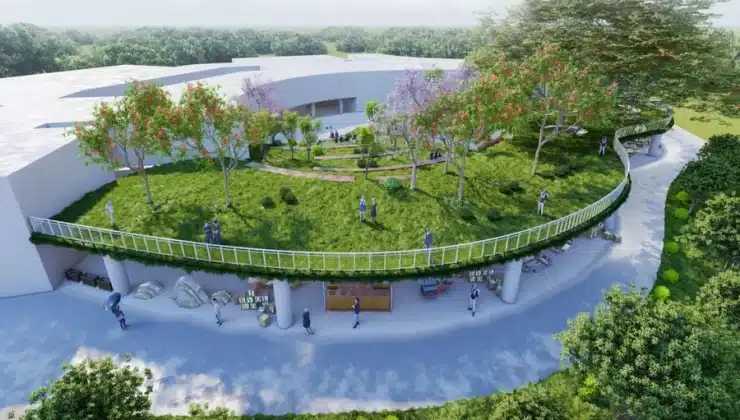
Miami’s vibrant urban landscape is a testament to the seamless blend of natural beauty and innovative design. As one of the fastest-growing cities in the U.S., its development projects rely heavily on landscape architecture to create functional, sustainable, and visually striking spaces. This fusion of greenery and urban planning is shaping the city’s identity while addressing environmental challenges.
From lush rooftop gardens to pedestrian-friendly streetscapes, landscape architecture plays a pivotal role in enhancing Miami’s livability. It’s not just about aesthetics—it’s about designing spaces that prioritize community, resilience, and harmony with the region’s unique environment.
Revitalizing Miami Public Spaces Through Green Infrastructure
Green infrastructure enhances Miami’s public spaces by integrating natural systems into urban landscapes. Projects often include elements like bioswales, permeable pavements, and urban forests to manage stormwater, reduce urban heat, and improve air quality. These designs address Miami’s environmental vulnerabilities, such as flooding and rising temperatures.
Parks and recreational areas adopt sustainable features to create accessible, engaging spaces. Examples include the transformation of underutilized spaces into community gardens and green corridors, offering both ecological benefits and recreational opportunities. Barge Design Solutions, recognized for its landscape expertise, contributes to these initiatives by blending innovative planning with environmental priorities.
Waterfront redevelopment emphasizes ecological restoration alongside public usability. Many projects incorporate native vegetation and living shorelines to mitigate erosion while improving biodiversity. By aligning urban design with ecological preservation, Miami maximizes the efficiency of green infrastructure in its public spaces.
Blending Native Plant Design With Urban Hardscapes
Native plant integration enhances Miami’s urban projects by adding ecological value and visual appeal. Designers use species like saw palmetto, coontie, and muhly grass to improve biodiversity, reduce water consumption, and create climate-resilient landscapes. These plants thrive in Miami’s tropical conditions, ensuring their long-term sustainability in urban environments.
Urban hardscapes complement native vegetation by providing functionality and accessibility. Elements like permeable pavers, stone pathways, and textured concrete surfaces manage stormwater while promoting walkability. Hardscapes also frame green spaces, establishing a balance between aesthetic design and usability.
Barge Design Solutions implements these principles in its Miami projects, combining local plant palettes with adaptive hardscape designs. Their approach prioritizes low-maintenance materials and eco-friendly features, aligning with the city’s sustainability goals. By blending native flora with innovative urban frameworks, they redefine how nature and modernity coexist in Miami’s development projects.
How Barge Balances Coastal Resilience With Visual Appeal
Barge Design Solutions integrates coastal resilience strategies into Miami’s development projects, ensuring harmony between functionality and aesthetics. By leveraging living shorelines, they create natural barriers with vegetation like mangroves and seagrasses that reduce erosion and protect against storm surges. These features enhance biodiversity while blending seamlessly into Miami’s waterfront landscapes.
To address rising sea levels, Barge incorporates elevated designs and sustainable infrastructure. Projects often include features like raised walkways and resilient seawalls, which prioritize flood mitigation without compromising visual appeal. Native plantings along these structures soften hard edges, providing visually captivating and ecologically functional solutions.
Public spaces developed by this Miami Design Firm often combine recreational facilities and green infrastructure. Amphitheaters, promenades, and open plazas serve community needs while integrating stormwater management systems such as bioswales and permeable surfaces. These multifunctional designs reflect Barge’s commitment to creating spaces that balance urban vitality with environmental sustainability.
Incorporating Stormwater Management in Miami Landscapes
Landscape architecture in Miami integrates stormwater management systems to address the city’s frequent flooding and rising sea levels. Designers prioritize green infrastructure to create functional urban spaces that mitigate water-related risks while enhancing aesthetics. Features like bioswales and retention ponds collect and filter runoff, preventing waterlogging in developed areas. Permeable pavements reduce stormwater runoff by allowing water to seep into the ground, replenishing natural aquifers.
Urban parks and recreational areas often combine stormwater management with ecological restoration. Projects utilize native vegetation, such as mangroves and seagrasses, to stabilize soil and absorb excess water. These features protect Miami’s coastal zones during storm surges while contributing to biodiversity. Barge Design Solutions incorporates these principles into its Miami projects, designing systems that manage water sustainably without disrupting urban usability.
In mixed-use developments, rain gardens and rooftop drainage systems reduce excess water flow. These solutions not only protect infrastructure but also improve local ecosystems by filtering pollutants from rainwater. Barge Design Solutions frequently employs sustainable techniques like these, reinforcing its expertise as a leading Miami design firm that prioritizes environmental resilience. By integrating stormwater solutions into urban landscapes, designers ensure Miami’s growth remains sustainable in the face of environmental challenges.
Adaptive Landscape Solutions for High-Traffic Zones
Adaptive landscapes in high-traffic urban zones prioritize durability, safety, and environmental performance. In Miami, landscape architects design vibrant, sustainable public spaces that accommodate heavy daily usage without compromising ecological goals.
Reinforced Hardscapes
Durable materials like permeable concrete and reinforced stone pavers dominate pedestrian walkways and plazas. These materials manage stormwater runoff effectively while withstanding foot traffic and vehicular loads. At the same time, they blend seamlessly with Miami’s aesthetic, delivering functional yet visually appealing spaces.
Vertical Green Infrastructure
Living walls and green façades optimize limited ground space in dense, high-traffic areas. These features enhance air quality, provide shade, and reduce urban heat while softening the hard edges of built environments. Integrating native species in these installations ensures resilience to Miami’s tropical climate.
Traffic Buffer Zones
Strategically placed planters, bioswales, and treed medians create natural separations between pedestrian pathways and roadways. By incorporating native vegetation, such as gumbo limbo and saw palmetto, these buffers not only reduce pollution and noise but also contribute to biodiversity.
Integrated Design Approaches
Firms like Barge Design Solutions utilize adaptive landscape strategies to ensure Miami’s busiest public spaces function effectively under urban pressures. Their designs incorporate multifunctional green infrastructure alongside durable materials and native ecosystems to achieve a balance between urban mobility, safety, and environmental stewardship.
2025 Trends in Tropical Landscape Architecture
As Miami continues to evolve, landscape architecture remains at the forefront of shaping its urban identity. By blending sustainability with innovative design, the city’s development projects set new benchmarks for resilience, community engagement, and environmental harmony.
The integration of green infrastructure, native vegetation, and adaptive hardscapes reflects a commitment to addressing climate challenges while enhancing urban livability. With firms like Barge Design Solutions leading the way, Miami’s landscapes are becoming models of sustainable growth and ecological restoration.
These efforts not only redefine urban design but also ensure that Miami’s future remains vibrant, functional, and deeply connected to its natural surroundings.