Choosing the Right Solar Panel Installers for UK Homeowners
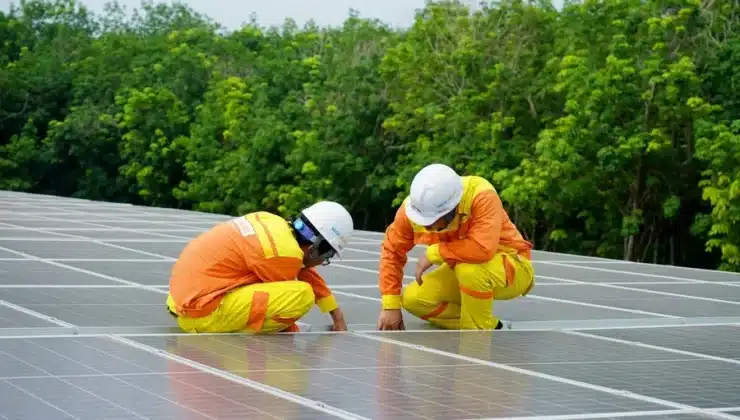
Solar energy is changing the UK’s homes, making them more sustainable. When you think about getting solar panels, picking the right installer is key. It helps you get the most from your investment in green energy.
With electricity costs going up, more people in the UK are looking at solar. The right installer can make your system work better and save you money in the long run.
Finding the right solar power team needs careful thought and research. Knowing about the different solar installers in the UK helps you make a smart choice. It ensures your energy goals and budget are met.
Key Takeaways
- Solar installation offers substantial energy savings
- Professional qualifications matter immensely
- Research multiple solar panel installers UK
- Compare installation quotes thoroughly
- Consider long-term system performance
- Evaluate installer certifications carefully
- Understand government incentive programmes
Understanding Solar Installation Qualifications and Certifications
When you think about getting solar panels for your home, knowing the qualifications and certifications is key. Professional solar installers need to meet certain standards. This ensures they provide top-notch service and protect your investment.
Finding the right solar installer can be tricky. You need to look for specific credentials that show they’re experts, not just beginners.
MCS Certification: Your Quality Assurance Benchmark
The Microgeneration Certification Scheme (MCS certification) is the top mark for solar installers in the UK. It shows an installer:
- Meets strict technical and professional standards
- Uses approved equipment and installation methods
- Follows the latest industry best practices
- Qualifies for government renewable energy incentives
RECC Membership: Consumer Protection Matters
RECC membership adds an extra safety net for homeowners. The Renewable Energy Consumer Code makes sure solar installation companies follow strict rules. This protects consumers.
| RECC Membership Benefits | Consumer Protection Features |
| Transparent Pricing | Clear, upfront cost breakdowns |
| Professional Conduct | Ethical business practices |
| Dispute Resolution | Independent complaint mechanisms |
Essential Solar Installation Insurance
Solar installation insurance is vital for both the installer and the homeowner. Look for insurance that covers:
- Public liability insurance
- Professional indemnity protection
- Workmanship warranties
- Equipment guarantees
By focusing on MCS certification, RECC membership, and solid insurance, you’ll get a safe, professional, and reliable solar installation.
How to Choose the Right Solar Panel Installers UK Homeowners Trust
Finding the right solar installers needs careful thought and research. When looking at UK solar panel companies, your choice greatly affects your solar installation experience.
Begin by checking the solar installation reputation of possible providers. Look for companies with good histories and positive feedback from customers. Local advice is very helpful – ask neighbours or friends who have solar panels about their experiences.
- Check online reviews from verified customers
- Verify MCS certification for each installer
- Request detailed quotes from multiple companies
- Examine the installer’s experience in the UK solar market
When you first talk to installers, make a list of important questions. Ask about their installation process, warranty, and equipment details. Good solar installers will give clear info about their services and tech.
Think about choosing local UK solar panel companies. They know the local climate and have good ties with local authorities. This local knowledge makes your solar installation smoother and more suited to your home.
Your hard work will lead you to solar installers who are not just skilled but also offer great customer service and support for your green energy choice.
Evaluating Installation Costs and Financial Options
Understanding the full cost of installing solar panels in the UK requires more than just checking the price tag. For homeowners considering the switch to solar, it’s crucial to take a holistic view of the investment, factoring in not just the upfront costs but also the long-term savings, potential government support, and financing options available.
The True Cost of Solar Panel Installation
The total cost of your solar panel system can vary significantly depending on several factors. These include the size of the system, the type and brand of panels selected, your roof’s condition, and your property’s energy needs. On average, a typical residential system in the UK may range from £5,000 to £10,000 or more. However, this is just the starting point, additional expenses and savings opportunities must also be considered.
Breaking Down Installation Quotes
When reviewing quotes from different solar panel installers, be sure to compare more than just the headline price. Pay attention to the following components:
- Solar Panel Quality: Higher-efficiency panels may cost more initially but often offer better long-term performance and reliability.
- Labour and Installation Costs: This includes professional labour, scaffolding, and any electrical or structural work required.
- Inverter and Battery Systems: Your system may require an inverter to convert electricity and optional battery storage for greater energy independence.
- Roof Modifications: In some cases, your roof may need reinforcement, particularly for older homes or complex installations.
- Monitoring and Warranty Services: Quality installers often include ongoing support, system monitoring, and long-term warranties.
Understanding what’s included and what’s not will help you make informed decisions and avoid surprise costs.
Available Government Incentives and Grants
UK homeowners have access to several financial incentives aimed at making solar energy more accessible and affordable:
- Smart Export Guarantee (SEG): This scheme pays you for any surplus electricity you export back to the grid, creating an ongoing income stream.
- Reduced VAT Rates: Solar panel systems often qualify for a reduced 0% VAT rate when installed in residential properties.
- Local Green Energy Schemes: Some councils offer regional grants or support programmes which vary by location, so it’s worth checking with your local authority.
These incentives can significantly reduce your overall payback period and improve your return on investment.
Financing Options for Solar Installation
If you’re not ready to pay upfront, there are several ways to finance your solar panel system in the UK:
- Personal Loans for Solar Projects: Offered by many banks and green energy lenders, these loans come with competitive rates and flexible repayment terms.
- Leasing Agreements: In some cases, you can lease the equipment and pay a monthly fee, which may be lower than your current energy bill.
- Power Purchase Agreements (PPAs): With a PPA, a third party installs and maintains the system, and you purchase the electricity it generates at a reduced rate.
- Home Improvement Loans: These are available through certain financial institutions and may include government-backed schemes with favourable terms.
Each financing model has its pros and cons. It’s important to weigh them against your household budget, expected energy use, and long-term goals.
Assessing Installation Company Track Records
Choosing the right solar panel installer is key for UK homeowners. The quality and life of your solar system depend on the installer’s experience. It’s important to research potential companies to ensure they are reliable and skilled.
When looking at solar installation quality, consider these points:
- Portfolio of completed installations
- Customer testimonials and UK solar company reviews
- Years of operational experience
- Industry certifications and awards
- Manufacturer partnerships
Doing your homework is essential to find a good solar installer. Ask for detailed project portfolios that match your home. Good installers will show you their work and how they solve problems.
Online research is also crucial. Look at reviews on websites, forums, and consumer protection sites. Look for positive feedback and stories about the installer’s service and support.
Ask for references from recent jobs in your area. Talking to past customers can give you real insights. They can tell you about the installer’s work, quality, and how they treat customers.
- Verify insurance and warranty provisions
- Check for any outstanding complaints or legal issues
- Confirm manufacturer-approved installation techniques
In the end, picking a solar installer needs careful thought. Look at their track record, skills, and dedication to quality. This ensures you get the best renewable energy solution for your home in the UK.
Conclusion
Exploring solar panel installation in the UK needs careful thought and planning. Your path to green energy starts with knowing what makes a solar setup work well. Things like certifications and reputation are key when picking the right installers for your home.
Choosing solar energy in the UK is more than just money. It’s about cutting down on carbon and gaining energy freedom for the long haul. Opt for MCS-certified experts and do your homework on companies to safeguard your investment and home’s energy system.
Now, it’s time to talk to top solar installers, compare prices, and look at their past work. Remember, a good installation is not just about the cost. It’s about a lasting, efficient, and valuable green energy solution for your home.
With the right knowledge and plan, you’re set to choose solar panels wisely. Your green choice not only helps your home but also the UK’s energy future.
FAQ
What is MCS certification and why is it important?
MCS (Microgeneration Certification Scheme) certification is a quality mark for renewable energy installers in the UK. It ensures your solar panel installation meets quality and performance standards. Having an MCS-certified installer is key as it makes you eligible for government incentives. It also means the installation meets professional standards.
How much do solar panel installations typically cost in the UK?
Solar panel installation costs in the UK vary, from £5,000 to £10,000 for an average home system. The cost depends on your property size, energy needs, roof type, and solar panel type. Getting quotes from certified installers is wise to find the best price for your home.
What government incentives are available for solar panel installations?
The Smart Export Guarantee (SEG) is the main government incentive for solar panel owners in the UK. It lets you earn money by exporting excess electricity. There are also local grants and funding opportunities to help with costs, but these vary by region.
How long do solar panels typically last?
Solar panels usually have a 25-30 year performance warranty. Manufacturers often guarantee 80-85% performance after 25 years. The panels can last 30-40 years, but their efficiency may decrease over time.
Do I need planning permission for solar panel installation?
Often, solar panel installations are allowed without planning permission in the UK. But, there are exceptions for listed buildings, conservation areas, and properties with restrictions. Always check with your local planning authority or your chosen solar installer to confirm what’s needed for your property.
How long does a typical solar panel installation take?
Installing solar panels on a home usually takes 1-3 days. This depends on your roof, system size, and property specifics. From the first consultation to completion, the whole process can take 4-8 weeks.
Can solar panels work during winter in the UK?
Solar panels generate electricity in winter, but less efficiently than in summer. Modern solar technologies capture daylight, not just direct sunlight. So, they work on cloudy days too. While output is lower in winter, they still help a lot with your home’s energy.
What maintenance do solar panels require?
Solar panels need little maintenance. They need an annual professional check and occasional cleaning. Most installations have monitoring systems for alerts. It’s best to have a professional inspect your system every 2-3 years for top performance.