
Child Insurance Plans: Features, Benefits & Using An Education Calculator
What is a Child Plan?
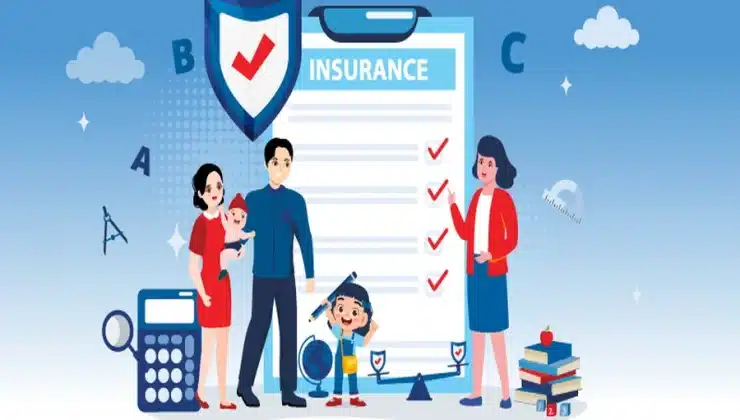
A Child Plan is a combo of savings and insurance to help secure your kid’s financial future. It lets parents save regularly for things like college, weddings, or starting a business. Plus, it includes life insurance, just in case.
Think of it as a safety net and savings plan all in one. It makes sure your child’s dreams can still happen, even in tough times.
Features of Child Insurance Plans
Child insurance plans are made keeping in mind how your kid’s financial needs keep changing as they grow. Here are some of the main features that make these plans a smart part of long-term financial planning:
-
Waiver of Premium
If a parent (the policyholder) dies while the policy is active, you don’t have to pay any future premiums. The cool thing is, the policy continues, so the kid still gets all the benefits when it matures. This way, your child’s future stays secure, no matter what.
-
Maturity Benefits
When the policy ends, you get a payment. You can spend this on your child’s education, wedding, or any big goal. It makes sense to match the policy’s end date with when big life events happen.
-
Partial Withdrawals
Most kid plans let you take out some cash for short-term stuff, like school fees or other costs. It gives you options without messing up your long-term savings.
-
Death Benefits
If something bad happens to the parent, the company gives a payment to the family. The policy keeps going, and you don’t need to pay premiums. So, your child remains protected.
-
Riders
You can beef up your plan with extra riders for things like accidental death, serious illness, or premium waivers. These give you extra security and protection.
-
Tax Benefits*
You also get tax breaks! The premiums get deductions under Section 80C, and the payments are usually tax-free under Section 10(10D), depending on the situation.
All these things make child insurance plans a good mix of security, options, and investment.
Benefits of Buying Children’s Health Insurance Plans
While child insurance plans take care of long-term goals, a health insurance plan for kids helps handle medical surprises. Here’s why it’s important:
- Extensive Medical Coverage: Covers hospital stays, accidental injuries, vaccinations, and even doctor consultations. Some plans even offer free annual check-ups.
- Financial Protection: Keeps you from draining your savings during medical emergencies.
- Quality Healthcare: Makes sure your child gets top-quality treatment without you worrying about the bills.
- Cashless Hospitalization: You can get treatment at network hospitals without paying upfront.
- Family Discounts: If you include your child under a family floater policy, you often get a nice discount on premiums.
- Tax Benefits: Premiums for child health insurance can also get you tax deductions under Section 80D.
How Does a Child Insurance Plan Work?
A child plan works as both an investment and an insurance cover. It makes sure your child keeps getting financial support no matter what. Here’s how it generally goes:
-
Premium Payments
You can pay the premiums monthly, quarterly, yearly, or all at once—whatever suits your budget.
-
Maturity Benefits
When the policy ends, you get a payment. You can spend this on your child’s education, wedding, or any big goal. It makes sense to match the policy’s end date with when big life events happen. Tools like a child education plan calculator can help you plan the maturity value according to your child’s education expenses.
-
Payouts on Maturity
Once the policy matures, you get a lump sum. This amount can help fund your child’s higher education or other major goals. In ULIP-based plans, the payout might depend on how the market performs.
-
Death Benefit
If the parent passes away during the policy term, the insurer gives an immediate lump sum to the child’s guardian. The policy continues without any more premium payments, so the future corpus remains safe.
-
Partial Withdrawals
After a few years, you can make partial withdrawals for things like tuition fees, extra classes, or medical costs.
Tips to Consider While Buying a Child Plan
Buying the right child plan isn’t something to rush. Here are some simple tips that’ll help you make the right call:
- Assess the Coverage Amount: Consider future costs like school and inflation. Your cover should easily handle those costs.
- Review the Investment Part: If it’s a ULIP, see how the investments have done before. Choose stock, bond, or mixed funds based on how relaxed you are with risk.
- Check Flexibility: Find plans that offer simple ways to pay premiums, switch investments, and take out some money. Being able to adjust things is really helpful.
- Understand Withdrawal Rules: Be sure when and how much you can take out without hurting the plan’s key benefits.
- Consider Riders: Add helpful extras for added safety, like premium waivers or critical illness cover.
- Compare Plans: Don’t just grab the first plan you see. Look at different choices to see what gives you the most for your money.
- Read the Fine Print: Always check the policy closely so you get the exceptions and requirements.
- Start Early: The sooner you begin, the less you pay, and the more you get back. Starting early really pays.
Conclusion
A Child Plan isn’t just another insurance policy—it’s a clever way to set up a safe future for your kid. It mixes life cover, savings, and investment increases, so your child’s dreams—school, health, or anything else—are always safe.
Whether you pick a normal plan or one tied to the market, starting soon and sticking with it will help you build a strong money base for your child’s good future.