How To Choose Porcelain Tile Grades For Outdoor and Indoor Projects
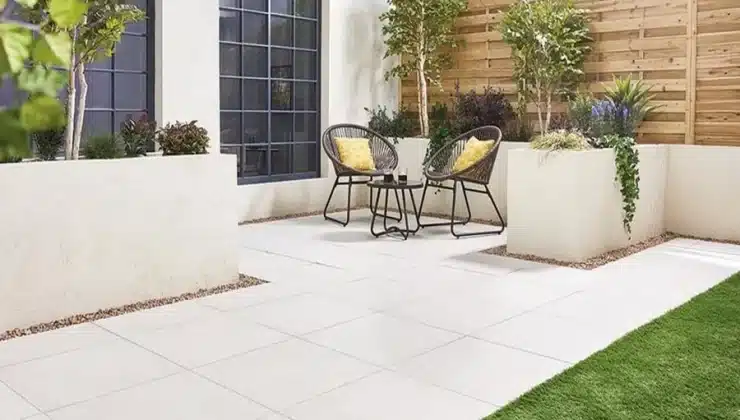
Porcelain tiles are a versatile and durable choice for both indoor and outdoor spaces, but selecting the right grade is essential to ensure lasting performance and style. With varying levels of strength, finish, and resistance, each grade is designed to meet specific needs, whether it’s for a cozy living room or a high-traffic patio.
Understanding the differences between porcelain tile grades can save time, money, and future headaches. The right choice depends on factors like location, foot traffic, and exposure to the elements. By knowing what to look for, homeowners and designers can create spaces that are both functional and visually stunning.
Understanding the PEI Rating System for Indoor Tile Durability
The PEI (Porcelain Enamel Institute) rating system measures a tile’s resistance to surface wear. This scale ranges from PEI 0 to PEI 5, with each level suited for specific indoor applications.
- PEI 0: Designed for wall use only, not suitable for floors.
- PEI 1: Appropriate for residential bathroom floors with minimal traffic.
- PEI 2: Ideal for interior rooms with low foot traffic, like bedrooms.
- PEI 3: Suited for moderate-traffic areas, such as living rooms and dining spaces.
- PEI 4: Handles high-traffic residential areas, including kitchens and hallways.
- PEI 5: Withstands heavy traffic in commercial or industrial indoor spaces.
Understanding these ratings allows proper tile selection for durability in different indoor environments. Stone Center’s curated porcelain tile grades offer PEI classifications to match residential and commercial needs.
Why Outdoor Tiles Require Slip Resistance and Frost Ratings
Outdoor tiles face unique environmental challenges that demand specific properties for safety and longevity. Slip resistance is essential for areas prone to moisture, such as patios and pool decks, to prevent accidents. Textured surfaces or finishes rated for wet conditions improve traction, particularly in rainy or humid climates.
Frost ratings are critical for tiles exposed to freezing temperatures. Porcelain tiles with low water absorption rates (below 0.5%) resist cracking caused by freeze-thaw cycles. Using tiles without these features in cold regions risks damage, reducing their lifespan.
Stone Center offers porcelain tile grades designed to meet these outdoor requirements, combining practicality and durability with aesthetic appeal. Frost-rated and slip-resistant options ensure suitability for high-traffic areas and varied weather conditions.
Matching Porcelain Grade to Room Traffic and Wear Expectations
Porcelain Tile Grades correlate directly with the durability and wear resistance required for specific rooms. Higher-traffic areas, such as kitchens, entryways, and living rooms, benefit from tiles rated PEI 3 to PEI 5. These grades endure frequent use without compromising their surface finish, making them ideal for spaces prone to heavy foot traffic.
Lighter traffic zones, like bedrooms and dining rooms, typically suit tiles with PEI 2 ratings. These tiles balance durability and style, providing adequate resistance to scratches and scuffs in lower-usage areas while offering versatile design options.
For areas like bathrooms and utility rooms, where moisture exposure might be persistent, tiles with anti-slip properties and water resistance are crucial. PEI 2 or higher grades often meet the wear and slip prevention needs of these environments.
Stone Center offers a range of porcelain tile grades designed for various room uses. By aligning tile grades to a room’s traffic levels and functional requirements, homeowners and contractors ensure their projects are both resilient and visually appealing.
Best Tile Grades for Wet Areas Like Kitchens and Bathrooms
For wet areas, porcelain tile grades with superior water resistance and durability are essential. Kitchens and bathrooms experience frequent exposure to moisture, making tiles rated PEI 2 to PEI 4 ideal for these spaces. These tiles withstand moderate to heavy foot traffic while providing the necessary strength to resist water infiltration and surface wear.
Anti-slip surfaces are crucial in wet environments. Textured or matte-finished porcelain tiles improve safety by reducing the risk of slips. Bathrooms often benefit from tiles with a high Dynamic Coefficient of Friction (DCOF) rating, which measures slip resistance; a rating of at least 0.42 is recommended for such spaces.
Full-body porcelain tiles perform well in kitchens and bathrooms due to their solid, non-porous composition. This type of tile maintains its color and strength even if the surface wears down, ensuring long-lasting functionality in moist conditions.
Stone Center offers a collection of porcelain tile grades tailored for wet areas. Their tiles provide both durability and enhanced water resistance, allowing homeowners and contractors to create safe, stylish spaces that meet moisture-related challenges.
Tips for Coordinating Tile Thickness With Subfloor Materials
Matching tile thickness with subfloor materials ensures a stable installation. Tiles measuring 8-12mm suit most residential applications. For areas receiving frequent foot traffic or outdoor use, thicker porcelain tiles, such as 14-20mm, provide added durability and resistance to stress.
Subfloor preparation depends on the material. Concrete subfloors work well with thicker porcelain tiles, especially for outdoor patios or driveways where heavy loads are common. Plywood subfloors benefit from thinner tiles but require proper underlayment to prevent movement and cracking.
Stone Center offers porcelain tile grades in various thicknesses compatible with multiple subfloor types. For instance, their outdoor-grade tiles withstand environmental changes and heavy pressure, making them suitable for patios or pool areas. Proper pairing of tile thickness and subfloor material maximizes the lifespan and performance of the installation.
2025 Interior Design Trends Influencing Tile Grade Selection
As design trends evolve, choosing the right porcelain tile grades becomes even more essential for creating functional and visually appealing spaces. The growing emphasis on sustainable materials, textured finishes, and versatile designs aligns perfectly with the diverse options offered by porcelain tiles.
Whether it’s enhancing outdoor areas with slip-resistant tiles or elevating interiors with durable, stylish options, understanding tile grades ensures projects meet both aesthetic and practical demands. By prioritizing quality and selecting tiles tailored to specific needs, homeowners and designers can achieve long-lasting results that reflect modern design trends while maintaining exceptional performance.