
Player Psychology in Decisive Matches
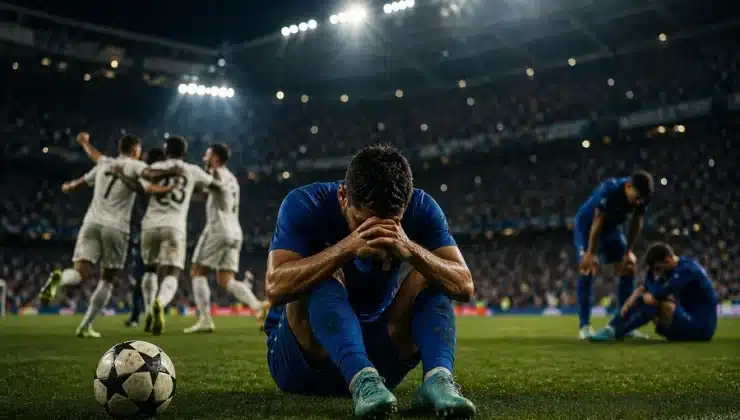
The Mental Advantage in Critical Performance
Why Psychology Often Matters More Than Physical Ability
In high-stakes circumstances, mental competence often outweighs physical prowess. This applies whether a player is quickly deciding in an online casino or in a World Cup final. Pressure, uncertainty, and the need for composure influence the outcome in both situations. This cannot be explained by statistics alone. During crucial games, particularly during pivotal moments, athletes have significant mental hurdles.
Stress
How External Expectations Influence Performance
Pressure is the most obvious factor affecting players in key moments. It comes from everywhere at once—fans, media, national pride, and personal ambition. In competitions like the FIFA World Cup, every action feels amplified. A missed penalty, a bad pass, or one defensive mistake can end up defining an entire career.
Players tend to react to this pressure in very different ways. Some freeze up—anxiety throws off their rhythm and decision-making. Some people step up in tough moments. They enter a “clutch” state, where their focus sharpens and they feel in control. The difference usually comes from three things. First, experience. Second, emotional control. Third, mental training.
Inspiration
The Balance Between Drive and Overwhelm
Motivation plays an equally complicated function. It boosts focus, strengthens determination, and pushes athletes to leave their comfort zones. When players face obstacles or fall behind, those who harness their motivation often show perseverance.
But motivation might occasionally become too much to handle. Internal conflict occurs when the fear of failing replaces the desire to succeed. This can lead to quick decisions, hesitation, or overthinking in chaotic situations. All of these can be damaging. The advantages and disadvantages of motivation are balanced by elite athletes.
Anxiety
Its Immediate Effects on the Body and Mind
Stress affects both the body and the mind, and it is directly related to pressure and motivation. Reactions become a little slower, heart rate increases, and coordination deteriorates. Even a small delay can alter the result in sports, where everything happens in milliseconds.
Stress eventually wears players down as well. It causes weariness, which makes it more difficult to maintain focus during a competition. For this reason, a lot of teams consult with sports psychologists and prioritize recuperation over training. Players can boost their mental stability with simple practices. Breathing exercises, mindfulness, and planned rest can help a lot.
Experience
Why Calmness Improves with Experience
One of the best protections against psychological stress is experience. Experienced athletes handle stress well. They use past experiences to manage their emotions. To stay grounded, they use routines. These include visualization, controlled breathing, and pre-performance rituals.
Younger athletes often face more emotional pressure, but they bring energy and passion. This difference shows clearly in penalty shootouts. Here, staying calm often beats skill.
Dynamics of the Team
The Strength of a Collective Mindset
Many people are unaware of how important team dynamics are. Within a group, confidence and uncertainty spread swiftly, and once either takes hold, it can determine how well the team performs. In these situations, leadership becomes essential. When things start to go out of control, a calm captain or coach can help the team as a whole.
Responsibility feels lighter when players communicate well and trust each other. Because no one feels entirely accountable for the result, this group mentality can greatly lessen pressure.
Failure Under Stress
What Happens When Unity Is Lost
Weaknesses appear quickly when a team is disconnected. Players may lose faith in the system if they attempt to do too much on their own. Small mistakes lead to bigger issues. Passes become rushed, positioning worsens, and frustration grows.
At this point, the problem is frequently more psychological than technical. The breakdown is more about mentality and group confidence than it is about competence.
Mental Toughness as the Key Differentiator
Important sports are ultimately just as much mental struggles as physical ones. The best players often stay calm during chaos. They are not always the fastest or strongest. They manage pressure instead of letting it control them. They use motivation but don’t let it turn into stress.
What turns promise into performance—and sets great players apart—is staying calm under pressure.