
Why Gemstone Names Hold So Much Emotional Value
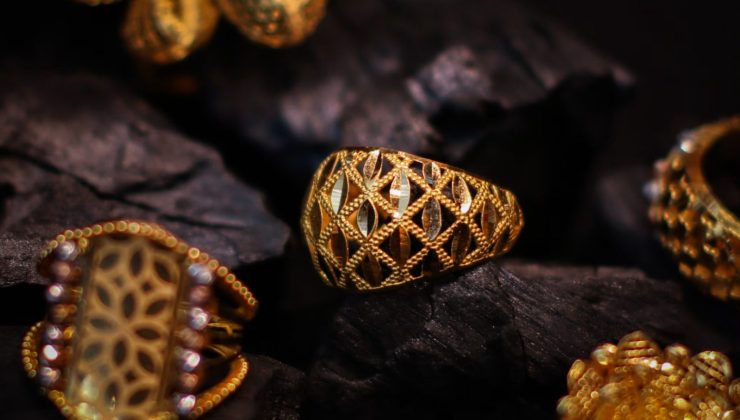
Gemstone names carry stories that stretch far beyond color and sparkle. A name may point to an ancient language, a place where the mineral was found, or a belief passed down through a family. Once a stone becomes linked with a birthday, anniversary, or loved one, its name can bring a specific person to mind. That blend of history and personal memory explains why people often feel attached to gemstones they wear, give and inherit.
The Power of Linguistic Heritage
Many gemstone names preserve traces of the cultures that first traded, described, or valued them. Some come from Greek or Latin words connected to color and appearance. Others reference geographic locations or historical figures. Over centuries, pronunciations and spellings changed as stones moved between regions.
Accounts of ancient gemstone history show that people have long associated minerals with protection, status, and symbolic meaning. Those beliefs weren't always based on modern science, but they shaped the vocabulary still used today. Learning the origin of a stone's name can make a piece of jewelry feel like a small link to an older culture. When choosing a gift, include that story in a handwritten note so the recipient understands the meaning behind the name.
How Minerals Earn Their Titles
A mineral may receive its title from its color, chemical properties, discovery site, or resemblance to something familiar. Citrine, for example, takes its name from a word associated with citrus and its yellow shades. Other names have roots in place names or words that describe distinctive visual features.
The difference between a mineral name and a commercial variety name can matter when you're shopping. Quartz is a mineral, while citrine and amethyst are color varieties within that mineral family. A reliable precious stone name guide can help connect familiar jewelry terms with their historical origins and colors.
Names also make broad categories easier to understand. When browsing November citrine birthstone jewellery, for instance, the birthstone label quickly connects rings, necklaces, earrings and bracelets to a particular month and gemstone tradition.
Styling November Citrine Birthstone Jewellery
Citrine's warm yellow and golden tones work well with both casual outfits and dressier clothing. A small pendant can add color to a white shirt or neutral sweater, while citrine earrings can complement brown, cream, olive, and deep blue. For everyday wear, choose one piece as the focal point and keep other accessories simple.
Metal color changes the overall effect. Yellow gold emphasizes citrine's warmth, while white metals create a sharper contrast. Rose-colored metals can bring out honey and amber tones. Before choosing, compare the stone against clothing you wear regularly and look at it under natural light. Gemstone color can appear different under bright store lighting, warm indoor bulbs, and daylight.
Scale matters too. Smaller stones tend to feel understated and easy to wear daily. A larger ring or pendant creates a stronger visual statement and may suit celebrations or milestone gifts.
Preserving Meaning Across Generations
Inherited jewelry becomes more meaningful when its history remains attached to it. Record the owner's name, the date the piece was given, and the reason it was chosen. A short note stored with the jewelry can prevent those details from disappearing after one generation.
Take clear photographs as well, including close views of the stone and any engraving. Keep receipts, appraisals, and repair records together in a labeled envelope or digital folder. If several family members share the same birth month, document who wore each piece first to avoid confusion later.
Regular care protects both the object and its story. Store pieces separately to limit scratches and ask a qualified jeweler to inspect settings that feel loose. When the jewelry eventually passes to someone else, share the gemstone's name aloud along with the written record. That simple conversation turns an attractive stone into a family reference point, complete with a person, date, and memory.
Gemstones often carry meanings beyond their appearance, with different crystals associated with traditions and symbolic beliefs. Exploring the meanings and symbolism of crystal rings can offer another perspective on why people feel connected to particular stones.