Why Caravan Buyers Often Underestimate the Real Cost
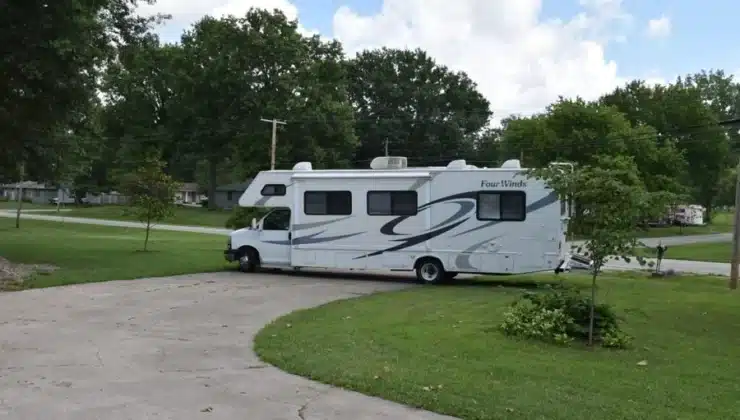
Buying a caravan seems like the ultimate ticket to freedom—spontaneous weekend getaways, long-haul adventures, and the comfort of your own space wherever you go. But for many first-time buyers, the excitement of owning a caravan can overshadow the financial realities. What feels like a manageable expense upfront can quickly turn into a budget stretch when all the hidden costs start stacking up. That’s why it’s crucial to run the numbers early using a tool like the caravan finance calculator by Handy Finance. It gives you a clearer picture of what you’re really signing up for—and where your budget should begin.
The Trap of Focusing Only on the Sticker Price
It’s common for buyers to set their sights on the price tag without considering what comes after. Maybe the monthly repayment looks doable, or the dealer offers a discount that feels like a win. But if you’re not factoring in the total cost of ownership, that ‘great deal’ could end up putting pressure on your finances.
Beyond the initial purchase price, there are plenty of additional costs that catch new owners off guard:
- Insurance and registration: These are unavoidable and vary based on your caravan’s age, size, and use.
- Maintenance and servicing: Caravans need regular checks—tyres, brakes, seals, and electrical systems all require upkeep.
- Storage: Not everyone has space at home. Storing your van offsite adds monthly costs.
- Fuel: Towing a caravan significantly increases fuel consumption—especially on longer trips or challenging terrain.
- Accessories: Water tanks, solar panels, hoses, towing mirrors, generators, and other must-haves can add thousands to the true cost.
Don’t Forget About Your Tow Vehicle
A surprising number of people discover too late that their current vehicle can’t safely tow the caravan they just bought. If your vehicle isn’t up to the task, you might be looking at another major expense: upgrading your car. This cost alone can completely reshape your budget and delay your travel plans. Always check towing capacity and payload limits before you start shopping for caravans.
Different Travel Styles, Different Costs
Not all caravan travel is created equal. Are you planning to stay mostly in free camps and rest stops, or do you prefer powered sites at caravan parks? Do you want to go fully off-grid with solar and battery systems, or will you be hooked into power most nights? Your intended travel style has a direct impact on the type of van you need—and how much you’ll spend both upfront and ongoing.
People often overinvest in features they rarely use, or they buy the cheapest option and then spend heavily modifying it later. It’s smarter to match your van to how you’ll actually travel. A more modest setup, used often and comfortably, is a better investment than an oversized rig that’s costly to run and difficult to store.
Repairs and Upgrades Add Up Fast
Caravans, like cars and homes, require upkeep. And while you might plan for regular servicing, many buyers forget to budget for one-off repairs or future upgrades. Things like cracked water tanks, electrical issues, worn tyres, or upgrading to lithium batteries can appear suddenly—and they’re never cheap. If you’re buying second-hand, set aside a buffer for immediate fixes or personalisation.
Plan for the Long Haul
Caravan ownership isn’t just about the next few weekends—it’s about how it fits into your life over the next few years. Will your lifestyle, job, or family situation change? Will you want to upgrade later? Could you rent your van out when not using it to offset costs? Thinking long-term helps you avoid impulsive decisions and focus on value and flexibility.
Budgeting Makes the Experience Better
No one wants financial stress following them on holiday. That’s why smart buyers plan ahead. They understand the real costs, leave room for unexpected expenses, and make informed decisions based on realistic numbers—not wishful thinking. Starting with a clear, personalised view of your finances gives you more control and more peace of mind on the road.
Owning a caravan should feel like freedom—not a burden. And that freedom starts with being honest about the full financial picture. If you take the time to understand your budget, match your van to your travel style, and prepare for the extras, you’ll enjoy the experience so much more. It’s not about spending less—it’s about spending smarter.