
Why Barefoot Shoes for Men Might Be Your Feet’s Best Friend
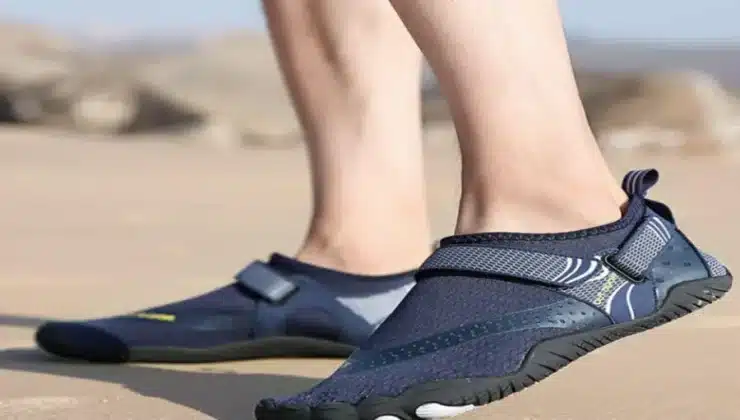
Key Takeaways
Barefoot shoes could be your feet’s best friend. They offer potential health perks by decreasing common foot injuries, thanks to a more natural foot function. Research has shown that minimalist footwear encourages a better dialogue between your feet and the ground.
Unlike traditional shoes, which often restrict movement and sensory feedback, barefoot shoes can challenge the idea that cushioning equates to comfort. In reality, true comfort frequently comes from designs that let your feet move naturally.
Over time, shoe design has gradually leaned towards minimalism as folks increasingly crave shoes that promote freedom of movement rather than confinement. The rising interest in barefoot shoes is clear, with social media teeming with content surrounding barefoot lifestyles.
Making the switch to barefoot shoes can help to strengthen foot muscles and enhance balance, making them a popular option among runners and active individuals focused on injury prevention. Adopting barefoot footwear can also support healthier running mechanics.
Wearing poor footwear can harm posture, causing discomfort in your back, hips, and neck. Barefoot shoes might help realign your body and improve your sense of balance by engaging muscles more effectively.
Choosing the right pair of barefoot shoes means considering fit, activity level, and materials—opting for choices that allow natural toe movement and promote sustainable production.
Keep in mind that transitioning to barefoot shoes may not suit everyone, particularly those with certain health conditions, and it necessitates a gradual approach to prevent injury. Knowledge is key for dispelling myths around barefoot shoes that extend beyond just running.
Is the Barefoot Shoe Revolution Just a Trend?
The first time I heard all the hype about barefoot shoes for men, I was skeptical. Could this be the solution to our foot problems or is it merely a passing fad? After all, trends come and go, but foot health should always matter most.
To really grasp this barefoot revolution, we need to dive deeper. What’s fueling this movement? Science. Research is starting to reveal incredible findings. Those who wear minimalist styles report fewer common foot injuries. It all boils down to how our feet are meant to function in their natural state. Over centuries, shoes have evolved into something often more about looks than practicality.
But hey, let’s not fool ourselves; critics are out there. Some say barefoot shoes lack adequate support. They argue that supportive footwear is vital for comfort and protection. However, I’d suggest looking past the marketing hype. Question the real reasons manufacturers benefit from our dependency on cushioned support.
Now, take a moment to look at traditional shoes. Those bulky, structured styles seem to be fading fast. The world around us is pushing toward lightweight designs and minimalism. Yet, many still hold onto their over-engineered shoes. Why? Comfort’s a tricky concept; we’ve been conditioned to believe that more cushioning means more comfort. But, really? That’s not always the case.
The Science Behind Going Barefoot
New scientific studies are emerging, all pointing to the idea that our feet do best when they’re allowed to roam free. Barefoot shoes mimic the feeling of stepping on grass. With thousands of nerve endings in your feet, they’re essentially sensors connecting you to the earth. When you slip on traditional cushioned shoes, that connection gets dulled.
It’s fascinating to consider how running barefoot can change your stride. Runners usually adapt to a midfoot landing instead of a heel strike. This shift could potentially reduce injury risks. Just think about it—allowing your feet to guide your movement enables a more instinctual, natural running style.
What the Experts Aren’t Telling You
A striking observation is the gap between what’s known and what gets pushed in marketing. Experts often emphasize the necessity of arch support and motion control, yet many overlook the body’s remarkable ability to adapt. Humans have lived barefoot for eons. A well-fitting minimalist shoe can strengthen our feet. Why isn’t this more widely discussed? Instead, consumer products are shoved at us. Yes, we’re led to believe that orthopedic shoes are the answer. The truth is, they frequently only address symptoms, not the actual healing.
Thinking critically, it’s no wonder that backlash against conventional footwear is growing. The narrative should shift from “what supports” to “freedom of movement.” So why aren’t more experts championing this view?
Why Traditional Shoes Are Losing Their Grip
It’s clear that traditional footwear is losing functionality. Just think about it: heel lifts, arch supports, and tight fits have more to do with profit than with our anatomical health. As more folks wake up to this reality, a significant change is taking place.
The demand for barefoot shoes is no coincidence. People crave footwear that aids rather than restricts. Just look at social media—everywhere you turn, there are people celebrating their barefoot journeys. They share the simplicity, the joy, the feeling of liberation beneath their feet. And that enthusiasm is contagious!
Let’s break it down to some essential truths:
- Heavy shoes = less awareness of your movement
- Simpler designs promote a more natural gait
- Comfort rising from the ground up is the way to go
Can Barefoot Shoes Improve Your Health?
The big question is this: can these quirky-looking shoes really boost health? I’m leaning towards a strong yes. Let’s unravel the connections between footwear and overall wellness.
First off, consider the injuries that athletes and weekend warriors frequently face. Over the years, those injuries take a toll. Strains, sprains, and chronic pain can become all too common. Minimalist footwear encourages strength in our feet and lower legs. Sure, it might sound a bit cliché, but we have to think about our foot anatomy and its designed functions. Shouldn’t we be feeling the ground?
Minimalist Footwear and Injury Prevention
There’s a crucial link between running form and shoe selection that simply can’t be overlooked. Think of barefoot shoes as a preventative measure rather than a catch-all solution. They foster a conversation between you and the earth beneath your feet. Had an injury? It might be time to rethink your footwear choice. Many runners have reported fewer injuries after switching to barefoot-style shoes—it’s like giving your feet the chance to breathe and adjust.
To sum up, injury prevention hinges on a few key elements:
- Fortifying foot muscles
- Boosting balance and confidence
- Transforming your running mechanics towards healthier patterns
The Connection Between Footwear and Posture
Have you ever thought about how shoes play into posture? I sure have. Your feet are the body’s base. When they’re compromised by poor footwear, everything from your back to your neck can suffer. Dealing with back pain or hip issues may often trace back to the ground we walk on. Switching to barefoot shoes can feel like repairing the foundation of a wobbly house.
What must we remember about posture?
- Low-heeled shoes promote more natural spinal alignment.
- It enhances your body’s perception of balance.
- Barefoot shoes trigger better muscle engagement for supporting alignment.
The changes you experience can be both profound and understated. But trust me, they exist! You just need to tune in to what your body is telling you.
Real Stories: Transformations from Barefoot Therapy
The testimonials I hear echo a similar theme: “I never knew my feet could feel this liberated.”
Let’s get real for a moment. I’ve talked with many people who have embraced the barefoot lifestyle. Their stories are truly compelling. One runner shared how transitioning to barefoot shoes helped him rediscover his love for running. Those nagging injuries from years past? They all but disappeared.
Then there’s Sarah, who dealt with chronic back pain from her desk job. Once she switched to barefoot shoes, her entire outlook on movement changed—she’s standing tall and feeling far more confident. The differences are undeniable; the ground feels different, and so does her posture.
Such stories deserve the spotlight, yet they’re often buried beneath the conventional narrative. This isn’t merely about shoes; it’s about embracing our natural selves.
Picking the Right Barefoot Shoes: What to Consider
Diving into the vast barefoot shoe market? You’ve got plenty of options, but don’t get sidetracked by flashy designs. Here’s what truly matters:
Kicking the Wrong Fits to the Curb
First up, get your foot measured. You might be shocked at how many people wear the wrong size! Focus on a shoe that enables your toes to spread naturally. I prefer shoes that offer some wiggle room while still being snug around the heel—nobody wants their shoe slipping off mid-step!
Also, think about your lifestyle. Are you using these shoes for trails, running, or casual wear? A shoe that shines in one category might not hold up for another.
Materials Matter: Sustainable vs. Traditional Options
We can’t overlook sustainability in our age. Some brands are stepping up, crafting eco-friendly materials that merge comfort with planet-friendly principles. Isn’t it time our shoes reflected our values? The call for a conscious shift is louder than ever. Choosing sustainable materials not only feels good but also works towards a sense of global responsibility. You’re investing not only in your feet but in the community at large.
Keep these factors in mind:
- Breathability and moisture control
- Durability based on your usage plans
- Ethics of the brand regarding sourcing and manufacturing
Finding Your Perfect Fit in a Range of Styles
With all these options available, it can feel overwhelming, but it doesn’t have to be. Take the time to explore different styles. From sandals to trainers, various designs serve different needs. Pick what aligns well with your lifestyle and personal tastes.
Your ideal fit should mesh seamlessly with your routine. Check for local shops that offer trials because feeling how a shoe fits is crucial. Get ready for a bit of trial and error!
Who Should Consider Transitioning to Barefoot Shoes?
Now let’s tackle the ultimate question: Is this right for everyone? Not exactly, but there are definite candidates for this change.
Are You a Candidate for Minimalist Footwear?
If you often find yourself wincing from foot pain, or if typical shoes make you feel like your feet are imprisoned, it could be time to think about a switch. Just remember, this transition demands patience. Some might need to ease into it. It isn’t a sprint; it’s a journey.
Let’s be honest—while barefoot shoes hold promise, they aren’t a one-size-fits-all solution. Anyone with specific health concerns should absolutely consult with a professional before diving into significant changes.
The Myths and Misconceptions About Barefoot Shoes
I encounter myths frequently, so let’s set the record straight. One common misconception is that barefoot shoes are only for runners. Not so! They’re ideal for anyone wanting a more natural feel. Another myth? You can’t just slip these on and run a marathon. Nope! A proper transition period is crucial.
Education is key when addressing these concerns, shattering misconceptions while delivering honest information. Adopting an understanding mindset is crucial for making this journey easier.
What Your Feet Should Feel Like in Barefoot Shoes
Lastly, how should your feet actually feel in barefoot shoes? Liberated. They should feel free to breathe, connected to the surface below. Awakened, even. Your toes ought to flex and move comfortably. Sure, you’ll probably feel the ground more intensely, but that’s part of the allure.
Keep this checklist in mind: if your foot movements feel positive, you’re headed in the right direction. If discomfort sticks around, it might signal a bad fit or flawed design—and that’s a big no-no.
This barefoot movement transcends mere footwear; it celebrates reclaiming our natural heritage. It’s time to embrace it fully!
FAQ
Can I transition to barefoot shoes if I’m not an athlete?
You bet! Barefoot shoes aren’t exclusively for athletes; they’re perfect for anyone tired of tight, uncomfortable shoes. If you’re fed up with your feet feeling constrained, it’s time to consider a change. Just take it slow and listen to what your body’s saying.
What are the potential downsides of barefoot shoes?
Switching to barefoot shoes might reveal weaknesses in your foot structure, which can lead to some soreness at first. Some people find it tough to adjust, and those with unique health issues should definitely talk to a pro. It’s not a one-size-fits-all fix.
How do I know if barefoot shoes are right for my specific foot type?
Begin by understanding your foot dynamics. Whether you have flat feet, high arches, or a neutral foot will influence your shoe options. Testing various styles and fits is crucial; what suits one person might not work for another. Don’t hesitate to seek advice from specialists.
Do barefoot shoes actually improve performance in other activities?
Possibly, yes. Many users note enhanced balance and core strength, which can benefit a variety of physical activities—from yoga to weightlifting. It’s about reconnecting with your body and finding a natural movement rhythm. You’ll probably feel more balanced and aware during many forms of exercise.
What materials should I look for in barefoot shoes?
Choose breathable, sturdy materials that let your feet move without restriction. Eco-conscious choices are fantastic if sustainability matters to you. The right materials should boost comfort while preserving that natural feel without sacrificing structural integrity.
Are there brands that specialize in barefoot footwear?
How long does it typically take to adjust to barefoot shoes?
Adjustment periods vary for everyone, but typically, folks need several weeks or even months. Start with short wear sessions and gradually increase as your feet gain strength. Rushing this process could lead to discomfort or injury, and nobody wants that to happen.
Should I wear barefoot shoes year-round?
Not necessarily. Seasonal conditions can impact your comfort level. Depending on where you live, you may need different footwear for more severe weather. In winter, look for barefoot options that offer extra traction and warmth. Balance is key—stay aware of your surroundings!
Useful Resources
- Healthline– Comprehensive resources on foot health and injury prevention.
- National Institutes of Health– Access to a broad range of research articles focused on barefoot and minimalist footwear studies.
- American Podiatric Medical Association– Informative articles related to foot health and the impact of our footwear choices.
- Runner’s World– Insightful articles on running techniques and the benefits of barefoot running.
- Barefoot Running– Resources centered on transitioning to barefoot running and shoe advice.
- Verywell Fit– Articles covering fitness topics, including benefits and issues regarding minimalist footwear.
- Men’s Health– Health tips, including fitness and injury prevention relative to footwear.
- American Council on Exercise– Educational resources on fitness and physical health, considering the role of footwear.