
When to Transition from Home Health to Hospice
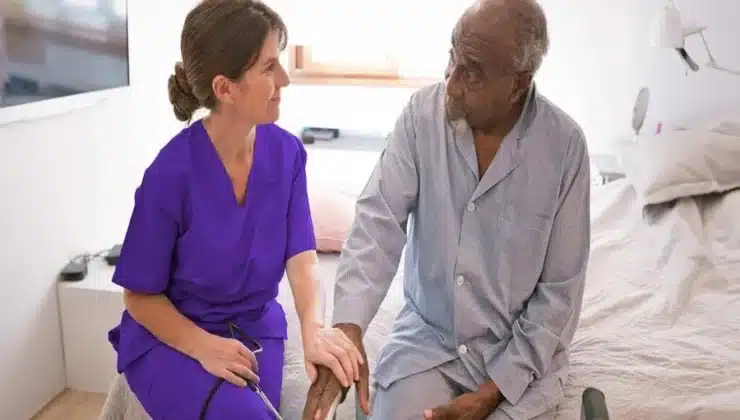
Caring for a loved one with a chronic or serious illness often involves making important decisions about their health journey and home health and hospice Rexburg. Many families begin with home health care, which provides skilled nursing, therapy, and support to help patients recover or manage ongoing conditions. However, there may come a time when the focus of care shifts from recovery to comfort. Knowing when to transition from home health to hospice can help families ensure their loved one receives the right type of care at the right time.
Understanding the Purpose of Each Service
Home health care is designed for patients who still have the potential to improve. It is often prescribed after a hospitalization, surgery, or diagnosis of a chronic illness. The goal is to help patients regain independence, manage symptoms, and avoid further complications.
Hospice care, by contrast, is intended for patients with a life-limiting illness who are no longer seeking curative treatment. The focus is not on recovery but on maximizing comfort, dignity, and quality of life. Hospice also extends care to family members, offering emotional and spiritual support throughout the journey.
Recognizing when the goals of care shift from rehabilitation to comfort is the first step in understanding when hospice may be appropriate.
Signs It May Be Time to Consider Hospice
Families often struggle to determine the right moment to move from home health to hospice. Some key indicators include:
Frequent Hospitalizations or ER Visits
If a loved one is visiting the hospital or emergency room often with little improvement, it may be a sign that aggressive treatment is no longer effective. Hospice can reduce unnecessary hospital trips by providing comprehensive care at home.
Declining Physical Condition
Noticeable weight loss, weakness, increased fatigue, or difficulty with daily activities may indicate that the body is no longer responding to treatments. Hospice teams help manage these symptoms while maintaining comfort.
Increasing Pain or Symptoms
When managing pain, shortness of breath, nausea, or other distressing symptoms becomes difficult—even with medical treatment—hospice provides expert symptom control to enhance quality of life.
A Shift in Goals
Perhaps the most important sign is when patients and families decide that quality of life matters more than pursuing further treatments. Hospice supports this decision by focusing on meaningful moments, dignity, and emotional well-being.
How the Transition Happens
The shift from home health to hospice does not mean patients are abandoned or that hope is lost. Instead, it represents a change in priorities. Often, the same healthcare network offers both services, ensuring a smooth transition. Home health providers communicate directly with hospice teams, sharing medical history, current needs, and personal preferences. This coordination minimizes confusion and allows families to feel supported throughout the process.
Benefits of Making the Transition Early
Many families wait too long to consider hospice, often because they fear it means “giving up.” In reality, hospice care can greatly improve quality of life—not just in the final days, but for weeks or even months. Making the transition early allows patients to:
- Receive expert symptom management
- Spend more time at home surrounded by loved ones
- Benefit from emotional, social, and spiritual support
- Give caregivers access to respite care and resources
By starting hospice earlier, families gain more time to focus on what truly matters—being together and creating meaningful memories.
Transitioning from home health to hospice is a deeply personal decision, but it’s one that can bring peace, comfort, and dignity to both patients and families. Signs such as repeated hospitalizations, declining health, or a shift in goals can indicate that it’s time to make the change. Hospice care is not about giving up—it’s about making the most of every moment, surrounded by compassion and support.