
When to Sell Your Video Game Collection — and How to Do It Without Underselling the Good Stuff
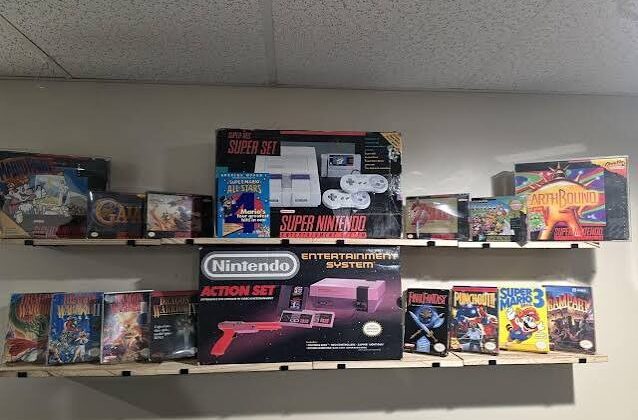
The decision to sell a video game collection usually gets made in a specific kind of moment. A move where the boxes won’t fit. A life stage change where the gaming setup is getting dismantled. A realistic look at a shelf of games that haven’t been touched in three years. Whatever the trigger, the moment arrives and the question becomes practical: what is this actually worth, and how do I sell it without spending months listing individual games online?
That question has two parts that most sellers treat as one. What the collection is worth depends on what’s in it — which platforms, which specific titles, what condition, whether games are loose or complete. How to sell it depends on the composition and the seller’s priorities — maximum return versus minimum effort, immediate payment versus the longer process of reaching the right buyers for specific items.
The composition question matters because video game collections are almost never uniform in value distribution. A collection of two hundred games typically has a handful that account for the majority of the collection’s total value, a middle tier of titles with modest but real value, and a large volume of common games worth a few dollars each at best. The right selling approach for the valuable titles isn’t necessarily the right approach for the bulk — and treating the whole collection the same way consistently produces outcomes that either leave money on the table or require more effort than the return justifies.
Sell video games through Comic Buying Center in Libertyville gives sellers an evaluation that maps this distribution accurately before any selling decision is made — identifying what’s actually valuable in the collection rather than applying blanket assumptions to the whole thing.
What Different Selling Approaches Produce for Different Collection Types
Individual online listing is the highest-return approach for the right items — a sought-after complete-in-box title sold to a motivated buyer at auction realizes more than any other channel. It’s also the highest-effort approach, requiring photography, accurate description, shipping management, and buyer communication for each item. For a collection where ten games account for eighty percent of the value, individual listing those ten games while selling the rest differently makes more sense than listing everything individually or selling everything in bulk.
Bulk sale to a buying operation is the lowest-effort approach and the one that makes most sense for collections where the value is distributed widely across common titles rather than concentrated in a few. The offer reflects the buyer’s cost to sort, evaluate, and resell the collection — which means it’s lower than what individual sales of the best items would produce, but it’s immediate, requires no ongoing effort, and covers the whole collection rather than leaving the common games unsold after the valuable ones are gone.
The combination approach — selling high-value items individually or to a specialist buyer for accurate pricing, and selling the remaining bulk — produces the best balance of return and effort for most collections. It requires accurate identification of which games fall into which category, which is where professional evaluation adds the most value.
What Makes Timing Relevant in Video Game Selling
Video game prices are sensitive enough to current events that timing occasionally matters in ways that are worth understanding. A franchise anniversary that drives renewed interest in original hardware titles. A remake announcement that temporarily lifts prices for the original before dropping them as the new version releases. A popular content creator featuring a specific title that drives short-term demand.
Comic Buying Center in Libertyville tracks the current market rather than relying on static price guides — which means evaluations reflect what games are actually selling for now rather than what they were worth at some previous point.