What Are the Benefits of High-Contrast Toys for Newborns?
Newborns experience the world in a blur of shapes and shadows. Their vision is still developing, and they can only see high-contrast patterns clearly in the early weeks. This is why black-and-white toys, books, and mobiles captivate their attention more than pastel-colored ones. when do babies start to play with toys? Surprisingly, even in their first month, they begin responding to bold patterns, though their interaction is mostly visual. High-contrast toys play a crucial role in strengthening their eyesight and cognitive growth. In this article, we’ll explore why these toys are essential, how they benefit development, and how parents can use them effectively.
What Are High-Contrast Toys?
High-contrast toys feature bold, distinct patterns—usually black-and-white or brightly colored against a contrasting background. These designs stand out clearly to newborns, whose eyes are still adjusting to light and shapes. Common examples include board books with geometric patterns, crib mobiles with stark shapes, or soft toys with sharp outlines. Unlike muted colors, high-contrast elements grab a baby’s attention, making them ideal for early visual stimulation.
Key Benefits of High-Contrast Toys for Newborns
Enhancing Visual Tracking and Focus
Newborns have limited vision, but high-contrast toys help train their eyes to track movement and focus. For example, a black-and-white spiral mobile above the crib encourages the baby to follow the shapes as they rotate, strengthening eye muscles. This skill is foundational for later abilities like reading and hand-eye coordination. Without strong visual stimuli, babies may take longer to develop focus. Simple exercises, like slowly moving a high-contrast card horizontally in front of their eyes, can significantly improve tracking. Over time, this practice helps babies distinguish between objects and understand depth perception. Parents often notice their infants becoming more alert and engaged during playtime with these toys.
Stimulating Brain Development and Cognitive Skills
The brain develops rapidly in the first year, and visual stimulation plays a key role. High-contrast patterns activate the visual cortex, encouraging neural connections. Think of it as exercise for the brain—each time a baby studies a bold pattern, their mind processes shapes, edges, and contrasts, building early problem-solving skills. Research suggests that babies exposed to high-contrast visuals early on show better attention spans later. For instance, a baby who frequently interacts with black-and-white flashcards may recognize faces and objects sooner. These toys also introduce the concept of cause and effect—when a baby bats at a hanging high-contrast toy, they learn that their actions create movement. Such interactions lay the groundwork for logical thinking.
Promoting Sensory Engagement and Exploration
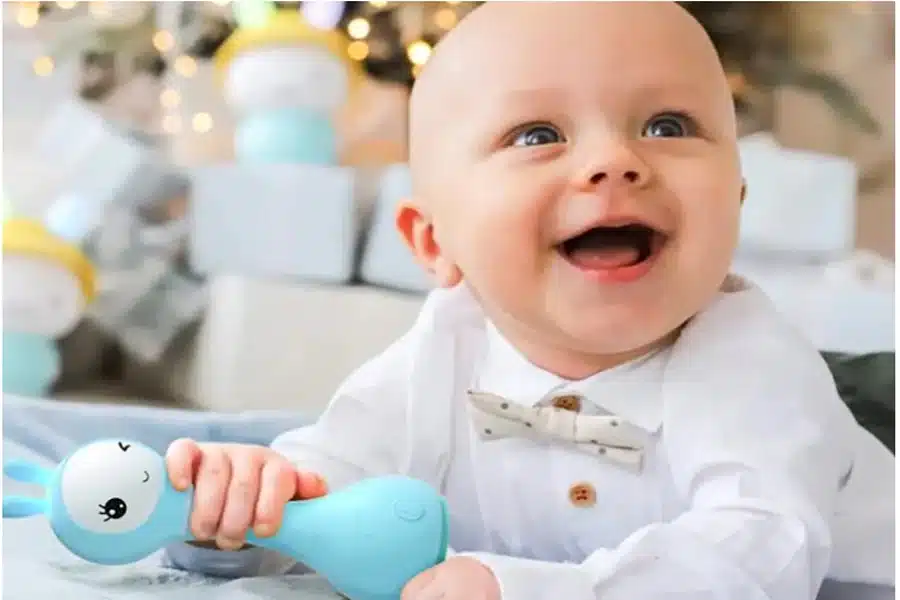
Beyond vision, high-contrast toys engage multiple senses. A soft book with crinkly black-and-white pages not only captures a baby’s gaze but also introduces different textures and sounds. This multisensory experience is vital for holistic development. For example, a high-contrast rattle encourages the baby to grasp, shake, and listen, refining motor skills and auditory awareness. Parents can enhance this by narrating the shapes (“Look at the big black circle!”) to boost language development. Over time, babies begin associating visual patterns with tactile and auditory feedback, deepening their understanding of the world. These toys also foster curiosity—bright, bold designs naturally invite exploration, keeping babies engaged longer than low-contrast alternatives.
Recommendations for Using High-Contrast Toys
Introducing High-Contrast Toys at Different Stages
Newborns benefit most from simple black-and-white patterns, but as their vision improves (around 3–4 months), introducing red, blue, and yellow adds complexity. Start with static images like flashcards, then progress to moving toys like mobiles or rolling balls. By 6 months, babies enjoy high-contrast toys with interactive elements, such as flaps or mirrors. Rotating toys weekly prevents overstimulation while maintaining interest. For example, alternate between a high-contrast tummy time mat and a patterned play gym. Observing the baby’s reactions helps tailor the experience—if they turn away, they might need a break. Gradually mixing high-contrast toys with colorful ones ensures balanced development.
Tips for Parents on Effective Playtime
Keep sessions short (5–10 minutes) to match the baby’s attention span. Hold toys 8–12 inches from their face—the ideal distance for newborn vision. Use slow, deliberate movements to help them track objects. Describe what they’re seeing (“That’s a zigzag line!”) to combine visual and language learning. Incorporate high-contrast toys into daily routines, like placing a bold-patterned book near the changing table. Tummy time becomes more engaging with a high-contrast mat beneath them. Avoid overloading the space; too many toys can overwhelm. Instead, focus on one or two items at a time. Most importantly, follow the baby’s cues—if they seem drowsy or fussy, pause and try later.
Safety Considerations When Choosing Toys
Always opt for toys made from non-toxic, baby-safe materials. Avoid small detachable parts that could pose choking hazards. Ensure high-contrast mobiles are securely fastened and out of reach once the baby starts grabbing. Soft toys should be lightweight and free of sharp edges. Regularly inspect toys for wear and tear, especially if they’re frequently chewed or pulled. For fabric items, choose machine-washable designs to maintain hygiene. Lastly, supervise playtime to ensure the baby interacts with toys safely. Prioritizing safety lets parents enjoy peace of mind while their little ones explore.
Conclusion
High-contrast toys are more than just visually appealing—they’re powerful tools for early development. From sharpening vision to boosting cognitive skills, these toys provide a strong foundation for learning. Parents who incorporate them thoughtfully will notice their babies becoming more observant, engaged, and responsive. Brands like Alilo offer a variety of high-quality, high-contrast toys designed to support each stage of growth. By understanding and utilizing these tools, caregivers can make playtime both fun and beneficial, setting the stage for lifelong curiosity and discovery.