Unveiling The True Meaning Behind Traditional Japanese Tattoo Art
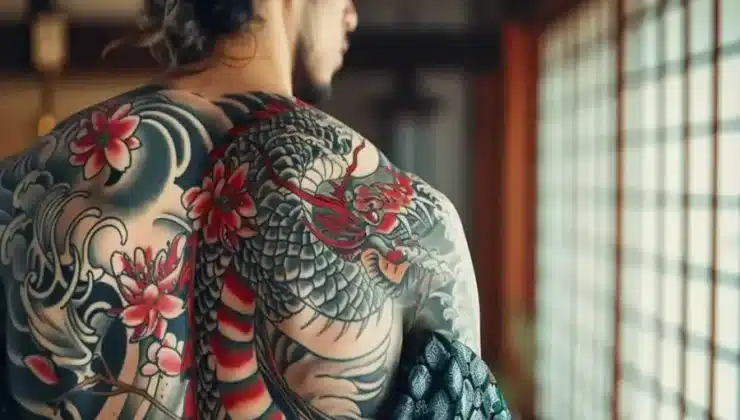
Many people view tattoos as a form of art. The Japanese love Irezumi, another name for traditional tattoos, because these symbols are deeply rooted in their heritage. People view the tattoos as signs of a person’s strength or spiritual connection. Certain designs symbolize protection, and each design holds a special meaning for the wearer.
Irezumi’s History
Traditional Japanese tattoos have been a part of Japanese culture for centuries. They were initially used as a means of punishing criminals. The traditional Japanese tattoo art was used to mark criminals, allowing them to be easily identified. Over the years, however, tattoos have come to be seen as a means of cultural self-expression. People would choose motifs from Japanese folklore and mythology to adorn their bodies. Religious iconography was also popular when tattoos first gained mainstream popularity.
Many people are surprised to learn that Irezumi was closely associated with organized crime groups in Japan, known as the Yakuza. The tattoos were viewed as a part of their identity and represented secrecy and rebellion. Today, the same tattoos are seen as an art form. They are no longer associated with criminals, and many people are choosing them as a way to express themselves.
Tattoo Symbolism
Traditional Japanese tattoos are filled with symbols. Each symbol in a tattoo holds cultural and mythological significance. Symbols found in these tattoos may include dragons, cherry blossoms, tigers, and koi fish. Most tattoos featuring the symbols are large and filled with intricate details. They often cover a large portion of the person’s body. Every element is carefully handpicked, ensuring the tattoo holds personal meaning for the individual. Their body becomes a work of living art.
Dragons and Koi Fish
Many traditional Japanese tattoos feature dragons and koi fish. Dragons are viewed as powerful and benevolent. They protect people and bring them good luck. Koi fish are frequently chosen by those who have faced challenges, persevered, and transformed themselves. They are able to achieve great success thanks to their resilience and personal growth.
The Tebori Technique
Many tattoos are created with the help of a machine. However, traditional Japanese tattoos are done by hand. The artist uses a metal rod with needles to place the ink into the skin. Doing so requires outstanding skill and precision. The finished tattoo has a distinct texture and depth not found with machine-created tattoos. Most people opt for machine-created tattoos, but there are still Japanese Tebori artists if one wants this type of tattoo. They can be particular about their clients, however. Individuals must verify their experience, reputation, and certifications to ensure they are getting a trained Tebori artist, not someone claiming to have this skill without proper training or experience. This individual should also show respect for the art’s cultural significance.
Cultural Appropriation?
A person might hesitate to get a Japanese traditional tattoo for fear of cultural appropriation. Some people view it as a tribute to Japanese culture; others believe a person should only get this type of tattoo if they fully understand its significance and background. People should be respectful when making this decision and talk with a trained artist to determine if the motif is right for them.
Getting the tattoo is only the first step. It must be properly cared for once in place. Follow all instructions provided by the tattoo artist to minimize healing time and preserve the detail. Those who follow these instructions will find that they have beautiful body art for years to come.