
Unveiling the Key Components of a High – Performing 4WD Dual Battery Setup
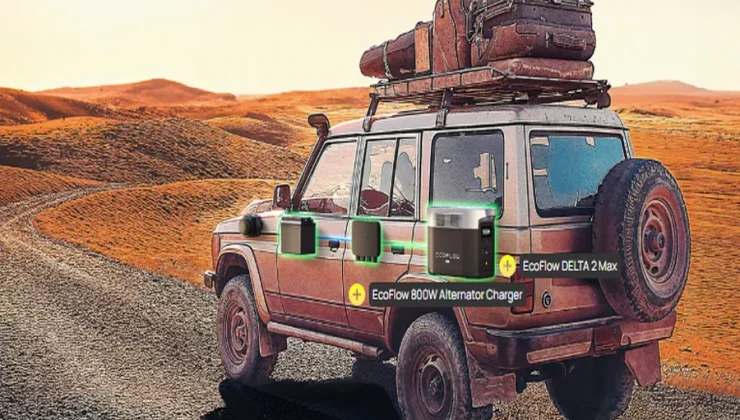
Embarking on an off – road adventure with your 4WD vehicle is an exhilarating experience. However, ensuring a reliable power supply is crucial for a seamless journey. A 4WD dual battery setup serves as the backbone, providing consistent power for various applications, from running a portable fridge to powering essential communication devices. To build an effective dual battery system, understanding its key components is paramount. In this article, we’ll explore each element in detail, equipping you with the knowledge to create a robust and efficient 4WD dual battery setup.
Batteries: The Heart of the System
Main Battery
The main battery plays a vital role in starting your vehicle’s engine and powering the basic electrical systems, such as the ignition and dashboard. When selecting a main battery, the Cold Cranking Amps (CCA) rating is a critical factor. A higher CCA indicates the battery’s ability to start the engine in cold conditions effectively. Additionally, battery capacity and lifespan are important considerations. Absorbed Glass Mat (AGM) batteries have gained popularity among off – road enthusiasts due to their maintenance – free nature and excellent vibration resistance, ensuring reliable performance even on rough terrains.
Auxiliary Battery
The auxiliary battery is dedicated to powering additional electrical devices during your adventure, like camping lights, cooking appliances, and portable refrigerators. Lithium – based batteries have emerged as a top choice for auxiliary batteries, thanks to their high energy density, lightweight design, and long cycle life. They can store a significant amount of power in a compact size, making them ideal for power – hungry devices. On the other hand, lead – acid batteries remain a cost – effective option, especially for those on a budget, with their well – established technology and lower upfront cost.
Isolators: Ensuring Power Independence and Safety
Mechanical Isolators
Mechanical isolators operate via a manual switch, controlling the connection and disconnection between the main and auxiliary batteries. Their simplicity and low cost are their main advantages. However, they require manual operation by the driver, and they lack the ability to switch automatically while the vehicle is in motion, which can be a limitation in certain situations.
Automatic Voltage Sensing Isolators (AVSIs)
AVSIs offer a more intelligent solution by automatically managing the electrical connection based on the voltage levels of the main and auxiliary batteries. When the main battery has sufficient voltage, the isolator connects both batteries, allowing them to charge simultaneously using the vehicle’s alternator. Once the main battery voltage drops below a certain threshold, the isolator disconnects the auxiliary battery, ensuring there is enough power left to start the vehicle, thus safeguarding the integrity and safety of the power system.
Charging Equipment: Keeping the Batteries Juiced Up
Alternators
The alternator is the primary charging source while the vehicle is running. When setting up a 4wd dual battery system, it’s essential to ensure that the alternator’s power output can meet the charging demands of both the main and auxiliary batteries. Some high – performance alternators come with intelligent features that can adjust the output power according to the battery’s charging status, optimizing the charging efficiency and prolonging the battery life.
Solar Chargers
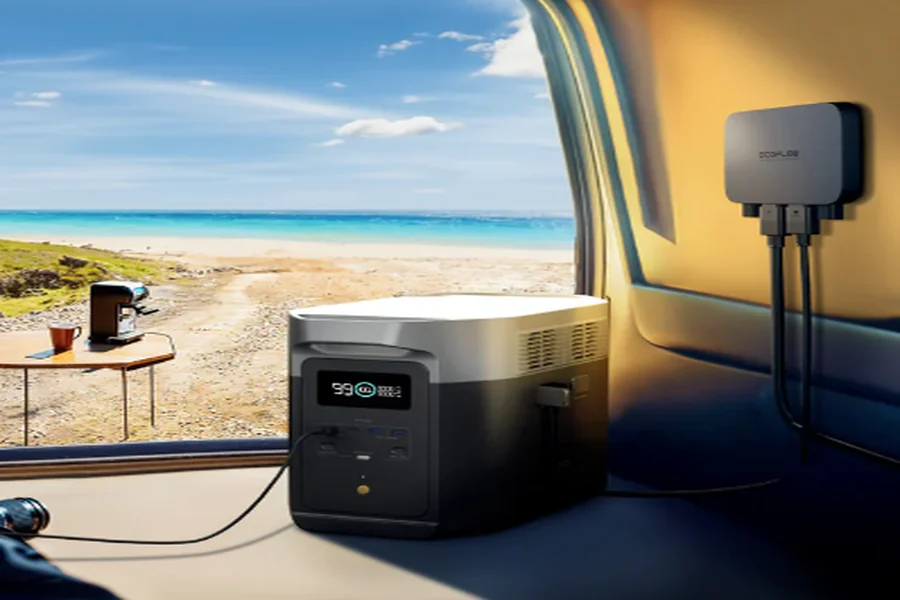
Solar chargers present an eco – friendly and sustainable charging option, particularly suitable for extended camping trips. When choosing a solar charger, factors such as power output, conversion efficiency, and portability should be taken into account. High – power solar panels can quickly recharge the batteries under ample sunlight, while a lightweight and compact design makes them easy to carry and install, ensuring you have a reliable power source even in remote locations.
Electrical Circuits and Accessories: Ensuring Stable Power Transmission
Wires and Cables
High – quality wires and cables are the foundation for stable power transmission. Selecting the appropriate wire gauge based on the power requirements of your electrical devices is crucial. Using undersized wires can increase electrical resistance, leading to power loss and overheating. Moreover, wires with excellent insulation properties are necessary to prevent short circuits and electrical leakage, ensuring the safety and reliability of the entire system.
Fuses and Circuit Breakers
Installing fuses and circuit breakers in the electrical circuit is an essential safety measure. In the event of an overload or short circuit, fuses will blow or circuit breakers will trip, immediately cutting off the electrical current. This protects the batteries and electrical devices from potential damage, safeguarding your investment and ensuring a trouble – free off – road experience.
Conclusion
An effective 4WD dual battery setup is a harmonious combination of various key components. From the batteries that store and supply power, the isolators that maintain safety and independence, the charging equipment that keeps the batteries charged, to the electrical circuits and accessories that ensure stable power flow, each part plays an indispensable role. By carefully considering and selecting these components, you can build a reliable and efficient dual battery system that will power your off – road adventures, allowing you to focus on enjoying the thrill of exploration without worrying about power shortages.