The Future of Medicine: Stem Cell Transplant Insights
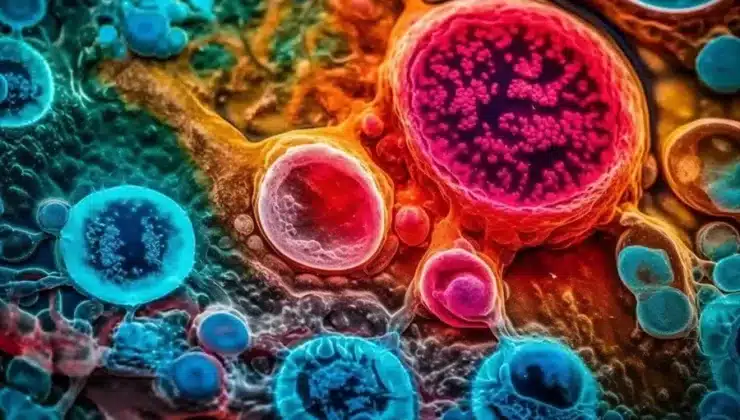
Modern medicine is entering a transformative era, and stem cell transplantation stands at the center of this revolution. Once considered an experimental treatment, stem cell therapy has now become a powerful medical solution for many life-threatening diseases, including leukemia, lymphoma, multiple myeloma, immune disorders, and certain genetic conditions. Researchers and healthcare institutions such as Liv Hospital International continue to advance stem cell technologies, offering hope to patients worldwide.
Stem cell transplantation is more than just a treatment; it represents the future of regenerative medicine. Scientists are now exploring ways to repair damaged tissues, regenerate organs, and personalize therapies based on each patient’s unique genetic profile. As innovation accelerates, stem cell transplantation may redefine how humanity approaches disease and recovery.
Understanding Stem Cells and Their Role in Medicine
Stem cells are unique cells capable of transforming into specialized cell types within the body. Unlike ordinary cells, stem cells possess the remarkable ability to self-renew and regenerate damaged tissues. This makes them incredibly valuable in treating diseases where the body’s normal repair system fails.
There are several main types of stem cells used in medicine:
Embryonic Stem Cells
These cells can develop into nearly any type of cell in the body. Their flexibility makes them valuable for research and regenerative medicine.
Adult Stem Cells
Found in bone marrow, blood, and other tissues, adult stem cells are commonly used in transplantation procedures. Bone marrow transplants are among the earliest and most successful forms of stem cell therapy.
Induced Pluripotent Stem Cells (iPSCs)
Scientists can now reprogram adult cells into stem-like cells known as iPSCs. This breakthrough has opened the door for personalized medicine while reducing the risk of immune rejection.
What Is Stem Cell Transplantation?
Stem cell transplant is a medical procedure in which damaged or diseased bone marrow is replaced with healthy stem cells. The treatment is often used for blood cancers and immune system disorders.
The process generally involves:
- Collecting healthy stem cells
- Administering chemotherapy or radiation to destroy diseased cells
- Infusing healthy stem cells into the patient’s bloodstream
- Allowing the new cells to rebuild healthy bone marrow
This treatment has significantly improved survival rates for many patients suffering from blood-related diseases.
Types of Stem Cell Transplants
Autologous Stem Cell Transplant
In an autologous transplant, doctors collect stem cells from the patient’s own body before intensive treatment begins. After chemotherapy or radiation, the cells are returned to the patient to restore healthy blood production.
Benefits include:
- Lower risk of immune rejection
- Faster recovery in many cases
- Reduced risk of graft-versus-host disease
This method is commonly used for multiple myeloma and lymphoma patients.
Allogeneic Stem Cell Transplant
An allogeneic transplant uses stem cells from a donor, often a sibling or matched volunteer donor. This approach is especially valuable ยาต้านเอดส์ฉุกเฉิน for leukemia and genetic disorders.
Advantages include:
- Donor immune cells may attack remaining cancer cells
- Potential long-term remission
- Effective for inherited blood disorders
Recent advances in donor matching and supportive care have improved outcomes significantly.
Haploidentical and Cord Blood Transplants
Modern medicine now allows half-matched family donors and cord blood to be used successfully in transplantation. These methods increase treatment accessibility for patients who cannot find fully matched donors.
Diseases Treated with Stem Cell Transplants
Stem cell transplantation has become a life-saving therapy for numerous serious conditions.
Blood Cancers
The treatment is widely used for:
- Leukemia
- Lymphoma
- Multiple myeloma
Research shows improving survival rates for these diseases due to advancements in transplantation techniques.
Genetic Blood Disorders
Conditions such as sickle cell disease and thalassemia can potentially be cured through stem cell transplantation. Healthy donor cells replace defective blood-forming cells, improving quality of life dramatically.
Immune Deficiency Disorders
Certain immune system diseases can also be treated successfully with stem cell transplants by rebuilding a healthy immune system.
Autoimmune Diseases
Researchers are exploring stem cell therapies for diseases such as multiple sclerosis, lupus, and Crohn’s disease. Early studies suggest stem cells may help reset the immune system and reduce inflammation.
The Rise of Regenerative Medicine
One of the most exciting areas of stem cell research is regenerative medicine. Scientists are investigating how stem cells can repair damaged tissues and organs instead of simply managing disease symptoms.
Tissue Regeneration
Stem cells may help regenerate:
- Heart tissue damaged by heart attacks
- Nerve cells affected by spinal injuries
- Cartilage damaged by arthritis
- Skin tissue for burn victims
These developments could transform long-term patient care.
Lab-Grown Organs
Researchers are now working on growing organs in laboratories using stem cells. This innovation could one day eliminate donor shortages and reduce transplant rejection risks.
Scientists have already developed organoids — miniature lab-grown versions of organs — to study diseases and test treatments more effectively.
Gene Editing and CRISPR Technology
Another major breakthrough shaping the future of medicine is gene editing technology. CRISPR/Cas9 allows scientists to modify genes with incredible precision.
When combined with stem cell therapy, gene editing may:
- Correct inherited genetic disorders
- Improve cancer treatments
- Enhance transplant success rates
- Reduce complications
Researchers believe gene-edited stem cells may eventually provide cures for diseases once considered untreatable.
CAR-T Cell Therapy and Cancer Treatment
CAR-T cell therapy is an advanced treatment that combines immune system engineering with stem cell science. Doctors modify a patient’s T-cells to recognize and destroy cancer cells more effectively.
This innovative approach has shown remarkable success in treating certain blood cancers. Many experts believe CAR-T therapy represents the next generation of cancer treatment.
Improving Survival Rates and Patient Outcomes
Over the years, survival rates after stem cell transplantation have improved considerably due to advancements in:
- Donor matching
- Infection prevention
- Reduced-intensity conditioning regimens
- Better supportive care
- Advanced monitoring systems
Studies referenced by Liv Hospital indicate significant increases in both short-term and long-term survival rates for transplant patients.
Reduced-intensity conditioning is particularly beneficial for older patients or individuals with additional health conditions, allowing more people to become eligible for transplantation.
Challenges and Ethical Considerations
Despite its promise, stem cell therapy still faces several challenges.
Safety Concerns
Researchers continue working to minimize risks such as:
- Immune rejection
- Graft-versus-host disease
- Infection complications
- Tumor formation
Ensuring long-term safety remains a major priority in stem cell research.
Ethical Questions
The use of embryonic stem cells has sparked ethical debates in some regions. However, advancements in iPSC technology are helping reduce ethical concerns by using reprogrammed adult cells instead.
Cost and Accessibility
Stem cell transplantation can be expensive, and access to advanced therapies remains limited in many countries. Expanding global healthcare access will be critical as these treatments become more advanced.
The Future of Stem Cell Medicine
The future of medicine is closely tied to the progress of stem cell science. Researchers envision a future where stem cells can:
- Repair damaged organs
- Reverse degenerative diseases
- Personalize cancer treatment
- Extend healthy human lifespan
- Replace organ transplants entirely
Artificial intelligence, genetic engineering, and regenerative medicine are likely to accelerate these innovations even further.
Healthcare institutions such as Liv Hospital International continue contributing to research, patient care, and advanced transplantation technologies, helping shape the next generation of medicine.
Conclusion
Stem cell transplant has evolved from a groundbreaking medical experiment into one of the most promising fields in healthcare. From treating blood cancers to regenerating damaged tissues and developing lab-grown organs, stem cell science is transforming medicine in extraordinary ways.
Advances in gene editing, personalized medicine, and regenerative therapies suggest that the future will bring even safer, more effective, and more accessible treatments. While challenges remain, the progress achieved so far offers tremendous hope for patients around the world.
The future of medicine is no longer limited to treating symptoms — it is moving toward healing, regeneration, and potentially curing diseases at their source. Stem cell transplantation is leading that transformation.