
The Evolution of Twin-Screw Tech in Polymer Processing
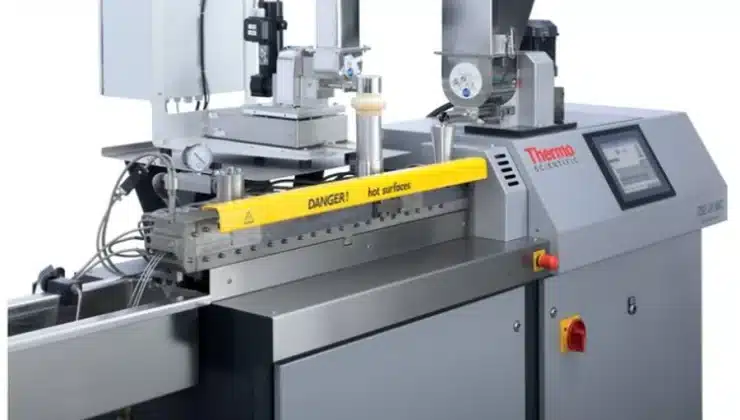
In the world of plastics manufacturing, things are getting a lot more demanding. To get parts with very specific chemical and physical traits, engineers have had to look for more advanced tech. At the heart of it all is the process of shaping material using heat and pressure. It’s a setup that offers a kind of operational consistency that most other methods just can’t touch.
Single-screw systems used to be the gold standard, but they started hitting a wall with today’s complex, finicky plastics. That’s why twin screw extrusion was such a breakthrough. By using two rotating shafts instead of one, these machines process material so thoroughly that defects are basically non-existent. It’s a huge leap in quality for the whole industry.
How the Screws Actually Work
The big deal here is the two screws spinning inside a modular, heated barrel. It’s not just about turning them; it’s about how they turn. You’ve basically got two choices: co-rotating (spinning the same way) or counter-rotating (spinning against each other).
This isn’t just a design quirk: it’s about the job at hand. Co-rotating screws are fantastic for mixing things up. Counter-rotating ones, though, are the go-to for high-viscosity materials or when you need more interaction between polymer parts. Because the gaps between the screws and the barrel walls are incredibly tight, the plastic gets a very controlled “shear.” This means every pellet melts and moves along at a steady pace, something older systems often struggle with during a long shift.
Mixing Without the Mess
One of the best things about this setup is how it blends additives into the plastic. When you’re dealing with technical polymers, you’re usually tossing in glass fibers, dyes, or stabilizers. If those aren’t spread out perfectly, the final product is going to be weak or look like a mess.
Think of a twin-screw extruder as a customizable mechanical lab. You can actually move the screw segments around to fit whatever you’re running that day. This is a lifesaver for materials that are sensitive to heat, since you can keep the residence time: how long the plastic sits in the machine—short and predictable. Plus, the screws clean themselves as they spin. This stops gunk from building up on the walls, making it way faster to switch between colors or materials without worrying about cross-contamination.
The New Backbone of Recycling
You’ll find these machines making everything from high-pressure pipes to lightweight car parts. But where they’re really earning their keep lately is in plastic recycling. Dealing with post-consumer waste is a nightmare because it’s usually dirty and inconsistent.
In a recycling setup, the twin-screw doesn’t just melt the plastic—it acts like a reactor. It uses degassing vents to suck out odors and vapors while the plastic is still molten. This turns a mix of random trash into high-quality pellets that can go right back into the production line. For any company trying to stay competitive and handle modern material challenges, this technology is pretty much a requirement now.