
The Business of Lifestyle Brands: Why ‘Aesthetic Identity’ Matters
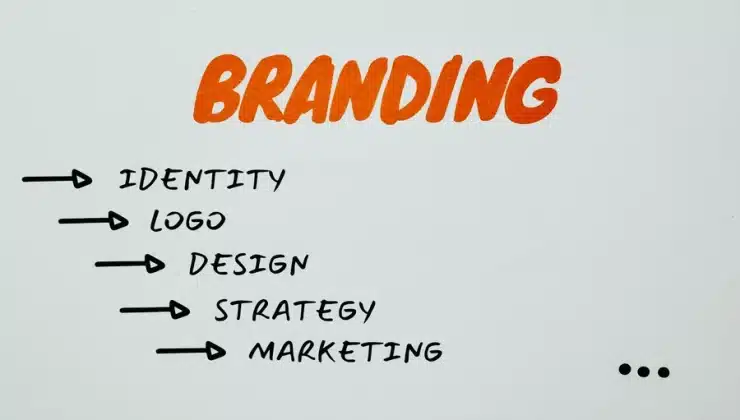
Lifestyle brands continue to grow in influence because they offer something people instantly recognise, a feeling, a mood, and a sense of belonging. A single look at a brand’s colours or style can create an impression that’s hard to shake. In a fast-moving world where choices appear everywhere, this visual identity often becomes the deciding factor long before any product details come into view.
Aesthetic Identity Carries More Meaning Than It Seems
Aesthetic identity is not just about prettiness. It reflects the deeper personality of a brand. Everything from the colours on a label to the textures in photography quietly shapes how the brand is understood. Even small details like the spacing on a page or the lighting in an image help create a tone that people either feel comfortable with or don’t.
When this identity stays consistent, it becomes familiar. That familiarity builds a sense of ease. People tend to trust brands that feel stable and recognisable, especially when so many options are competing for attention.
Why Consistent Visuals Help Lifestyle Brands Connect
Lifestyle brands aim to resonate with the way people want to live, so their visual presentation needs to feel sincere. When a brand looks and feels the same wherever it appears, the message lands more clearly.
Several elements often shape that connection:
- A steady visual style across the board: From social feeds to packaging, the same tone creates a sense of reliability.
- Design choices that stir real emotion: Colours, textures, and imagery are chosen to evoke something calm, curiosity, warmth, confidence, or inspiration.
- A look that feels aligned with the audience: People naturally respond to brands that reflect their own tastes or aspirations.
According to a marketing guide, consumers tend to stay loyal to brands that communicate consistently, even during changes in the market. A steady aesthetic presence can create reassurance when trends and circumstances feel unpredictable.
How VISUAL IDENTITY SHAPES EVERYDAY DECISIONS
People often make decisions based on instinct before logic. A polished layout, a calming colour palette, or a thoughtful image can create an emotional response within seconds. That response shapes how the brand is judged before the details are even noticed.
This is especially true for lifestyle-focused products. Taste, comfort, and personal identity play a major role in these choices, and a strong visual identity helps people instantly recognise whether a brand feels like the right fit.

Aesthetic Identity Is Shaping Industries Across The UK
Industries that once relied solely on function now understand the value of atmosphere and visual clarity.
- Technology brands often choose clean, modern visuals to signal precision and confidence.
- Hospitality businesses highlight warmth, texture, and ambience to draw people into the experience before they arrive.
- Even practical sectors like homebuilding and outdoor living now invest in branding that reflects modern lifestyle expectations.
The article at Medium has shown how businesses in traditional industries are reworking their identity to stay relevant in a culture that values clarity and emotional resonance.
Where Lifestyle Values Meet Visual Expression
People gravitate toward brands that feel real and relatable. This shift touches everything from daily routines to housing preferences and community design. Many modern living concepts now emphasise a calm, grounded visual tone that mirrors the desire for comfort and stability.
This trend is also visible in communities built around residential caravans. These environments often embrace nature-inspired colours and simple, welcoming design styles to create places that feel warm rather than temporary.
What The Future Holds for Aesthetic Identity
Visual branding and identity are becoming progressively more important as digital platforms develop. Responsive designs, adaptable branding, and customised aesthetics will change how customers connect with companies in the next years.
Yet the primary objective is the same: making individuals feel understood. Brands that interact with their consumers with transparency, emotional clarity, and visual appeal will keep going to stand out long after trends change and evolve.
Aesthetic identity is no longer a little aspect of branding; it is the string or a link that connects a brand’s purpose, personality, as well as principles together. It influences how people recognise it, trust it, and interact with it.