
Step-by-Step Guide to Generator Home Hookup
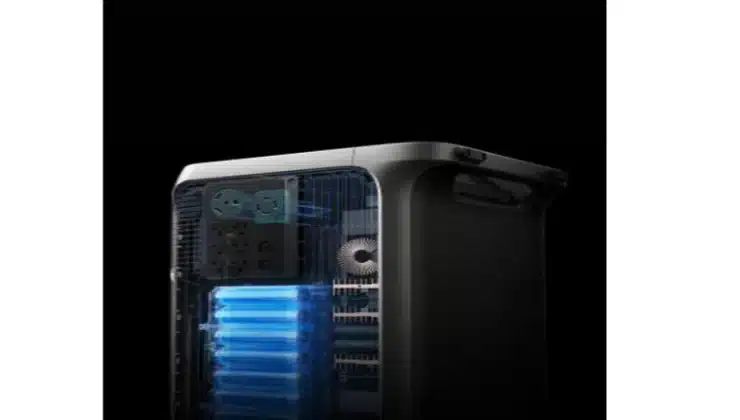
Power outages can disrupt daily life, leading to discomfort and potential hazards. A home generator can alleviate such concerns by ensuring a continuous power supply, but many homeowners wonder how do you hook up a generator to the house safely and correctly. Improper installation can pose severe risks, including electrical fires or dangerous backfeeding that endangers utility workers. This guide will help you understand how to safely connect a generator to your home by walking you through assessing your power needs, selecting a suitable generator, and implementing proper connection practices. With this knowledge, you can maintain a safe, efficient, and reliable power backup system, safeguarding your home and loved ones during unforeseen circumstances.
Preparing for a Safe Generator Home Hookup
Understanding Home Power Needs and Load Planning
Before installation, it’s crucial to identify your home’s essential power requirements. List all appliances you want to keep running during an outage, such as refrigerators, lights, and medical devices. You need to calculate their total wattage to ensure your generator can handle the load. Consult appliance manuals or their labels to determine individual power consumption, making sure to consider startup and running watts. Prioritize critical devices to avoid overloading the generator. With accurate load planning, you can optimize generator performance and prolong its lifespan, guaranteeing that critical services are uninterrupted when power interruptions occur.
Choosing the Right Generator for Home Use
Selecting the appropriate generator depends on your power needs, budget, and preference. For whole-house power during outages, consider a standby generator that automatically kicks in. These typically cost more but offer seamless transitions. Alternatively, portable generators are cost-effective and provide targeted power to essential circuits. Compare fuel types—gasoline, propane, or diesel—to find one that aligns with availability and efficiency. Noise level and fuel consumption are other factors to evaluate. Remember, an oversized generator wastes fuel while an undersized one can strain and damage household appliances. Select wisely to ensure efficiency and durability in your power backup system.
Step-by-Step Generator Connection Methods
Using a Transfer Switch for Whole or Partial Home Power
For a safe and effective connection, use a transfer switch. It isolates circuits from the grid, preventing backfeeding which endangers line workers. Begin by hiring a licensed electrician to install the switch near your main electrical panel. Connect circuits you wish to power during an outage. When activated, the transfer switch redirects power from your generator to these circuits. Choose between manual and automatic transfer switches. Automatic switches offer convenience by detecting outages and starting the generator instantly. This method not only protects utility personnel but also safeguards sensitive electronics. Employing a transfer switch is the most reliable way to maintain household power without jeopardizing safety.
Connecting a Generator With an Interlock Kit
An alternative method is the interlock kit, which provides a cost-effective and safe solution for generator connection. This kit integrates into your existing breaker panel, allowing you to backfeed power. Install an interlock kit that suits your panel type, ensuring UL certification for safety compliance. The generator connects via a dedicated outlet installed outside your home. When needed, shut off all breakers before starting the generator. Once up and running, engage the interlock, then gradually turn on essential breakers. This method requires careful execution to avoid overloads and should only be attempted if you’re comfortable with electrical setups. When used correctly, an interlock kit effectively bridges generator power to home circuits, offering a practical power backup solution.
Safe Operation, Maintenance, and Backup Tips
Operating Your Generator Safely During Outages
Proper operation ensures the longevity of your generator and safety at home. Position portable generators outdoors to prevent carbon monoxide poisoning. Maintain a dry environment, using a canopy if necessary. Adhere to the manufacturer’s instructions regarding fuel use and maintenance schedules. During operation, refrain from adding fuel and keep children away from the unit. Monitor power usage against generator capacity to prevent overloads and potential damage. Having a clear understanding of controls is crucial for seamless operation.
Maintenance, Storage, and Portable Power Options
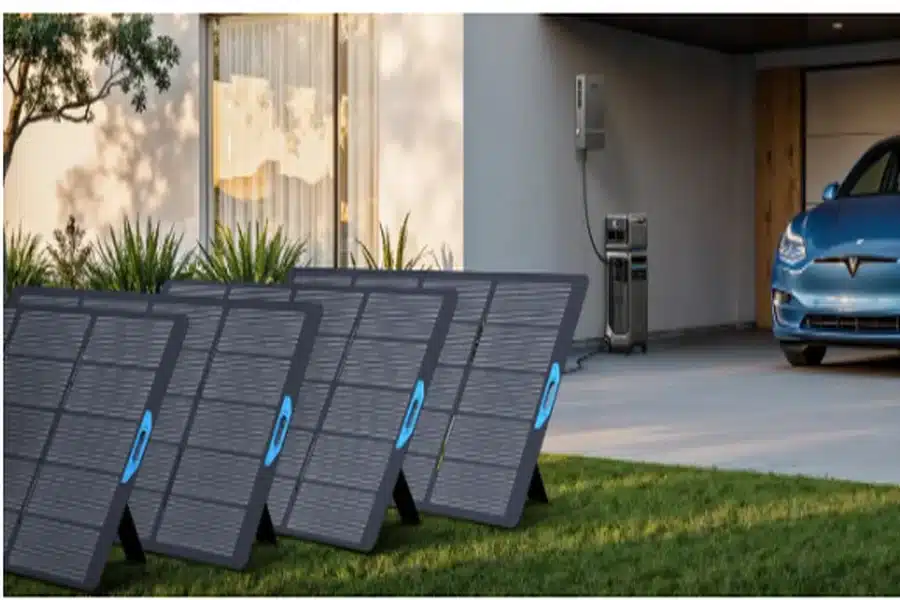
Routine maintenance extends the lifespan of your generator. Regularly change oil, inspect air filters, and check spark plugs. Run the generator periodically, even when not in use, to keep it in good working order. Store your generator in a dry, cool place and use stabilizers if the fuel remains in the tank. Consider investing in a cover to protect it from dust and moisture. Alternatively, explore portable power units like solar generators, offering flexible and eco-friendly options. These reduce dependency on traditional fuel and provide sustainable backup power.
Conclusion
Successfully connecting and operating a generator requires careful planning, adherence to safety protocols, and regular maintenance. Whether using a transfer switch or an interlock kit, prioritize safety and efficiency. Proper hookup ensures uninterrupted power for essential devices, offering peace of mind during outages. Regular checks and responsible running of your generator protect your investment and home. Choose wisely, operate safely, and maintain diligently to harness your generator’s full potential.