
Sizing and Choosing Whole-House Battery Backup Systems Guide

Whole-house battery backup systems are becoming an essential part of modern homes. As power outages become more frequent and the demand for sustainability rises, homeowners seek out energy security solutions. With a reliable battery backup system, you can ensure a continuous power supply during blackouts, saving perishable goods and keeping critical systems functioning. Choosing the right battery backup involves understanding your home’s energy requirements and knowing which technologies best fit your needs. This guide offers insights into sizing, selecting, and benefiting from battery systems that ensure peace of mind and optimal performance.
How to Size a Whole House Battery Backup System?
Choosing the right size for a whole-house battery backup ensures efficient energy usage and optimum performance. It starts with calculating your home’s energy consumption and matching it to a suitable battery capacity and power output.
Calculating Your Home’s Energy Usage
Determine your home’s daily energy usage by reviewing your electricity bills to find your average kilowatt-hour (kWh) consumption over a month. Note appliances and systems critical during a power outage, like refrigerators and lighting, and total their daily energy use. Use a smart meter or home energy management system to obtain real-time usage statistics. By categorizing essential and non-essential loads, you can tailor your backup system to your unique needs, minimizing energy waste and maximizing efficiency. An accurate energy audit helps prevent underestimating requirements and ensures your system is neither oversized nor undersized.
Matching Battery Capacity and Power Output
Battery capacity, measured in kilowatt-hours (kWh), dictates how long your system can provide power. Power output, measured in kilowatts (kW), determines how much energy can be delivered at any given time. For effective sizing, balance both capacity and output, ensuring they meet peak demand requirements. Consider factors such as peak load, duration of outages, and critical appliances needed during blackouts. Look for systems offering flexibility with modular add-ons to cater to changing energy needs. Properly sizing batteries ensures uninterrupted power and helps manage costs, ensuring the system’s ability to meet demand without excessive expenditure.
Key Factors When Choosing the Right System
Selecting a whole-house battery backup system involves evaluating several critical factors. Understanding these aspects guarantees optimal performance and longevity.
Battery Type, Lifespan, and Performance
The type of battery significantly impacts the system’s overall efficiency and lifespan. Common types include lithium-ion, lead-acid, and flow batteries, each with distinct characteristics and efficiencies. Lithium-ion batteries are popular for their higher energy density, longer lifespan, and efficiency. Evaluate cycle life, the number of times the battery can be charged and discharged. Opt for batteries with a high cycle count to ensure durability. Consider performance ratings that indicate how effectively a battery retains energy and handles loads. Properly evaluating these factors leads to a cost-effective, high-performance system tailored to individual needs.
Scalability, Solar Integration, and Smart Controls
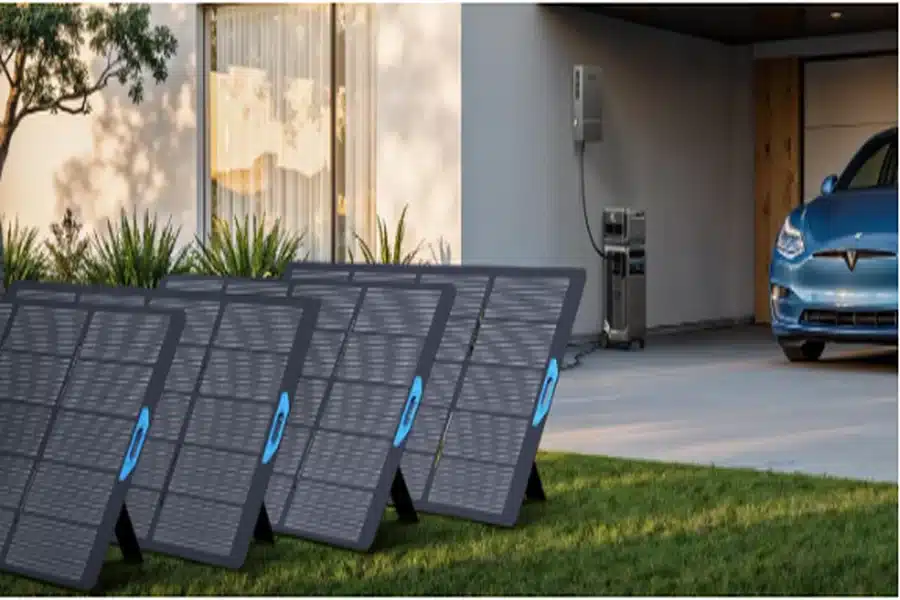
A flexible system that scales with growing power needs is crucial. Modular systems allow additional battery modules to be easily connected as demand increases. Solar integration further enhances sustainability, enabling direct charging from solar panels. Check compatibility with solar systems to maximize energy generation and storage. Smart controls offer advanced management features, allowing real-time monitoring, efficient load management, and remote operation. These features ensure optimal energy use, reducing waste and increasing efficiency. A scalable system that integrates renewable energy and offers intelligent controls ensures sustainability and future readiness.
Popular Whole House Battery Backup Solutions to Consider
Exploring popular solutions reveals innovations and advancements in the market, catering to diverse needs and preferences.
Modular and Expandable Systems for Growing Needs
Modular battery systems provide flexibility, allowing you to expand capacity as your energy needs evolve. Brands like Anker offer scalable solutions that connect seamlessly with solar panels and other energy sources. This modular design accommodates future increases in power demand, ensuring long-term adaptability. Check systems boasting user-friendly installation, efficient energy use, and reliability. Choose expandable solutions that simplify integration with existing setups. These modular systems offer the convenience of adjusting capabilities as necessary, yielding a cost-effective solution for increasing energy requirements.
Whole-Home Backup Solutions from Anker SOLIX
Anker SOLIX stands out with its robust whole home battery backup systems that promise reliability and efficiency. Known for their innovative designs, Anker’s solutions are tailored to a variety of home energy needs, offering both modular and high-capacity fixed options. Their products highlight intuitive installation and efficient customer support, ensuring a seamless setup in homes. SOLIX systems include intelligent energy management capabilities, optimizing power use and minimizing waste during outages. Prioritizing a blend of consistent performance and advanced technology, Anker SOLIX products stand as a dependable choice for whole-house battery backup solutions.
Installation, Cost, and Long-Term Value
Installation of a battery backup system requires consideration of location, space, and the home’s existing infrastructure. Hire certified professionals to ensure safety and functionality during setup. Costs range based on capacity and brand, alongside additional expenses for installation and maintenance. While initial investment may seem substantial, consider the long-term benefits of energy security, sustainability, and potential savings from utility bills. Evaluate warranties and service packages that guarantee protection against defects and service mishaps. Over time, a well-chosen system pays for itself, enhancing home value and offering reliable energy independence.
Conclusion
Whole-house battery backup systems provide dependable energy continuity during power outages while endorsing sustainability. Properly sizing the system to match home energy needs and investing in appropriate technology assures both efficiency and longevity. Explore battery types, modular designs, and innovative control features to tailor a system that fits your requirements. Popular solutions like Anker SOLIX offer practical pathways for energy resilience. With professional installation and understanding long-term value, homeowners secure indispensable peace of mind and long-lasting benefits from their investment. Choose wisely and build a more independent energy future today.