
Should You Commission a Custom Build or Buy Established?
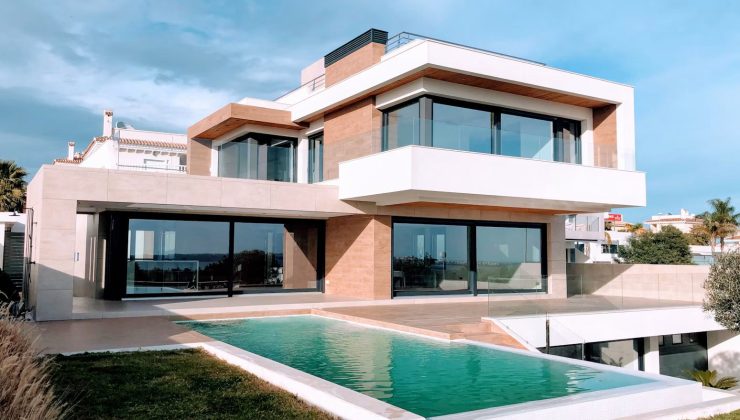
A custom home gives you control over layout, finishes and future-ready features, while an established property offers a faster move and a sense of history. The better choice depends on how much time, flexibility and financial uncertainty you can accept.
Look beyond the purchase price and consider your priorities for the next five to ten years. A household planning to grow may value adaptable rooms, while a buyer with a fixed relocation date may prefer a completed home. The following factors can help bring that decision into focus.
Architectural Freedom vs. Instant Character
A custom build lets you shape the home around daily life. You might place the laundry near the bedrooms, add a private office or design wider doorways for long-term accessibility. Early decisions can also reduce the need for disruptive remodeling later.
Established homes offer something different: mature landscaping, settled neighborhoods and architectural details that can take decades to develop. Their limitations may require compromise, however. Moving walls or adding bathrooms can quickly turn a charming purchase into a major project.
When comparing building new vs. buying resale, list five features you consider essential and five you could change over time. That exercise reveals whether personalization or immediate livability carries more weight.
Calculating the True Cost of Ownership
Start with the total cost of ownership, including financing, taxes, insurance, utilities and maintenance. A resale property with a lower price can still cost more if it needs a roof, heating system and kitchen update within the first few years.
Custom construction may bring expenses beyond the initial contract. Site preparation, design revisions, permits, landscaping and temporary housing can all affect the final total. Ask builders which items carry allowances and what happens when your selections exceed them.
For an established home, review inspection findings alongside the age of major systems. Then create a five-year cost estimate for each option. Use realistic figures for repairs and upgrades, plus a contingency of 10 to 15 percent for work whose scope may change after it begins.
Energy Standards in Contemporary Living
New homes generally offer more opportunities to include efficient insulation, modern windows and carefully sealed building envelopes from the start. The Department of Energy’s efficiency guidance explains how features such as air sealing and efficient heating or cooling equipment can lower energy use and improve indoor comfort.
Existing properties vary widely. A well-maintained older home may perform efficiently after targeted improvements, while another could have drafts, uneven temperatures and aging equipment. Request past utility bills when available, then consider an energy assessment before committing.
For a new build, ask about insulation values, equipment ratings and testing for air leakage. For resale, price practical improvements such as attic insulation or window sealing. Monthly savings matter, but comfort and predictable maintenance can be equally valuable.
Navigating Project Timelines and Delays
An established home usually provides greater timing certainty. Once inspections, financing and closing requirements are complete, you can often plan your move around a specific date. Renovations may still complicate the schedule, especially if you want work finished before unpacking.
A custom project involves more moving parts. Design approvals, permitting, material availability and weather can shift completion dates. Ask for a written schedule with key milestones, then find out how often you’ll receive updates and how delays are handled under the contract.
Protect your plans with flexibility. Avoid scheduling a lease termination or moving service too close to the projected completion date, and keep funds available for temporary accommodation if needed. A beautiful custom home can justify the wait, but only when the schedule fits your work, family and financial commitments.
The deciding factor often appears in your calendar as clearly as it does in your budget. If you need a defined move-in date, an established home may offer the practical edge. If you can absorb schedule changes and want spaces tailored to your routines, commissioning a build may be the more satisfying choice.