
Pairing Wines With Your Gourmet Steak Dinner For Maximum Flavor
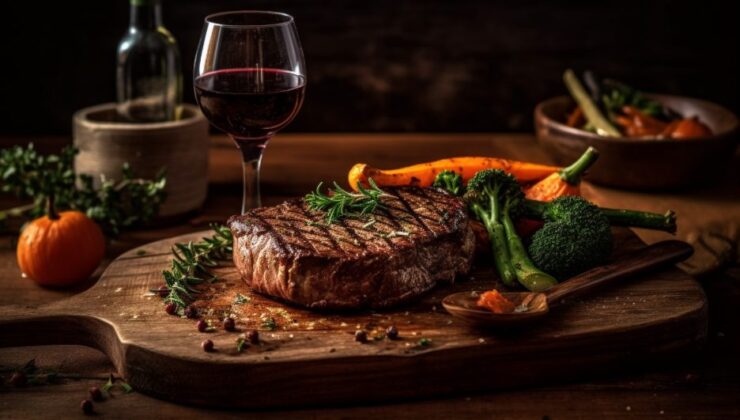
When a wine doesn’t seem to belong with a great steak, it can dull the experience. A bold red can dominate a fine cut, or a fine wine can get lost with a fatty cut of beef. More than just adding another drink to the table, the right pairing enhances the experience.
It can complement richness, enhance seasoning, and bring out flavors that are grilled, roasted, or dry-aged. This is important when you’re serving premium cuts like ribeye, filet mignon, picanha, or Wagyu, where texture and fat will define the dining experience.
Keeping in mind that the sauce, steak, and preparation determine the wine you select will lead to a more balanced meal. Let’s take a look at some wine pairing ideas that will help you get more flavor out of every bite.
1. Match Rich Steaks With Bold Red Wines
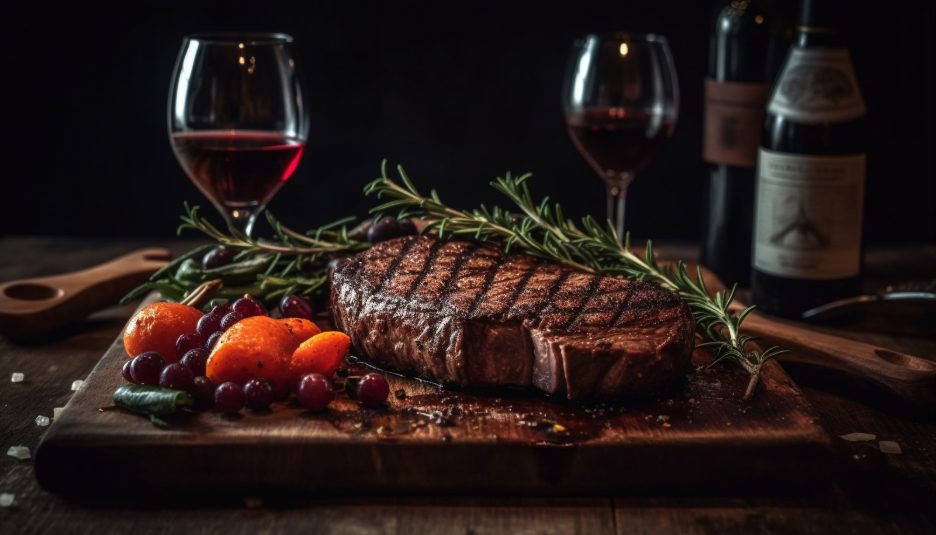
When planning a gourmet steak dinner, start with the richness of the beef. Ribeye, tomahawk, porterhouse, and churrasco cuts are capable of holding up to structured red wines. Their body and rich taste require a wine to stand out.
Cabernet Sauvignon is a tried and true option. It is tannic and will balance out fatty cuts. Malbec is also a great choice for grilling beef, providing rich dark fruit notes and solid tannins for a meaty steak.
Tempranillo is also a choice. It has a savory taste that pairs well with grilled and roasted flavors without overpowering them. If the steak has a smoky crust, then opt for a red with ripe fruit and moderate oak. This can add to the char and not overpower the meat.
2. Choose Based On Fat Content
Fat is a large part of what it takes to wine-pair. A highly marbled steak will give a fuller mouthfeel than a lean cut; your wine needs to be sufficiently tart or tannic to hold each bite.
Ribeye and Wagyu are especially luscious. Cabernet Sauvignon and Malbec are good choices as their structure complements the meat. Filet mignon is leaner, more delicate, so you can go with a medium-bodied Pinot Noir for a softer combination.
If you like a more rounded red with moderate tannins, then Merlot is a good choice. We don’t want to buy the strongest wine on the market. Rather, consider how heavy the steak is and then find a wine that matches that.
3. Serve Grilled Steaks with Complex Reds
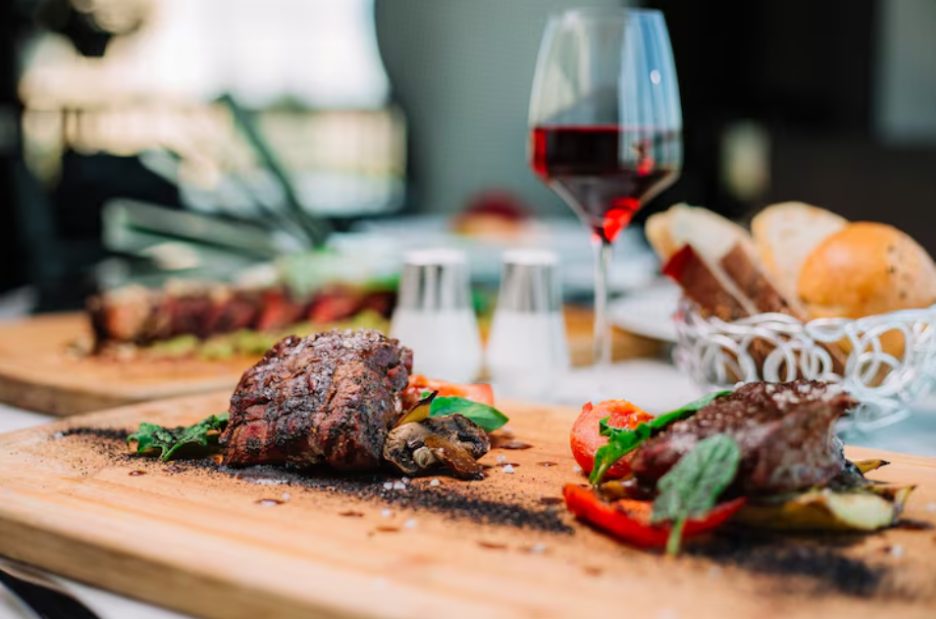
The heat and texture of beef are affected by cooking. Grilling will add smoky, charred flavors, and dry aging will mellow out savory flavors. These qualities suggest that wines will need to have sufficient complexity to match them.
Cabernet Sauvignon is particularly suited to hefty grilled beef dishes. The structure can be reminiscent of the crust; the fruit notes are another element. When it comes to dry-aged steak, think mature red, earthy, or savory.
This balance can be achieved with Tempranillo, particularly when cooking beef in a simple manner with only salt and pepper. Malbec is also a good option for barbecue meat. Its fruity character can tone down the chunky char-y feel without reducing its weight.
4. Consider Sauces and Seasonings
There’s more to the pairing than the steak. Sauces, rubs and toppings can alter the equilibrium of the entire dish. Chimichurri adds fresh herbs, acidity, garlic and oil. Those bright flavors can be matched by a fruit-driven red that has a good acid level.
Argentine Malbec can be a good choice. Creamy pepper sauces add a deeper flavor. Merlot or Cabernet Sauvignon will have sufficient structure to deal with them. For sweet barbecue-style glazes, they need to be applied with more care.
Wines with high tannin levels might be a bit tough next to the obvious sweetness. Fruit-forward reds with lower tannins are better at offering a smoother blend. When strong spices are being used, taste the wine with the finished dish and not just the beef.
5. Do Not Overlook White Wine
Red wine gets most of the attention with steak, but white wine can work with certain preparations. A full-bodied Chardonnay can complement filet mignon served with creamy sauces. Its texture matches the richness, while its acidity keeps the pairing balanced.
White wine can also work with surf-and-turf dishes. A balanced Chardonnay can bridge the flavors of beef, butter, and seafood. For steak served with fresh herbs, grilled vegetables, or lighter sauces, a crisp white can provide refreshing contrast.
6. Serve Wine Properly
Good pairing starts with the bottle but does not end there. Serving temperature can affect the wine’s balance. Red wine should generally be served slightly cool rather than warm. Excessive heat can make alcohol feel stronger. Briefly chilling a structured red can help it taste fresher.
Young, tannic reds may benefit from decanting or simply opening before dinner. Appropriate glassware can also help aromas develop.
Most importantly, taste the wine with the finished meal. Take a bite of steak, then a sip. Notice whether the wine refreshes your palate, complements the seasoning, or overwhelms the meat.
Final Thoughts
The best wine pairing depends on more than the steak itself. Consider the cut, fat content, cooking method, sauce, and seasoning before choosing your bottle. Cabernet Sauvignon, Malbec, and Tempranillo can suit rich grilled beef, while Pinot Noir, Merlot, or Chardonnay may work better with leaner or lighter preparations.
Serving the wine at a suitable temperature can further improve the experience. For your next steak dinner, try two different wines with the same dish and compare them. This simple approach can help you discover which pairing brings out the flavors you enjoy most.