
How Video Game Characters and Their Names Shape Player Experiences
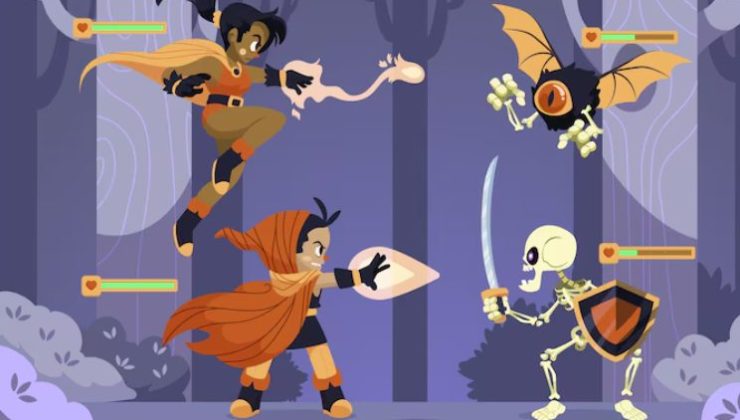
What makes a video game character memorable? Is it their appearance, personality, abilities, or unique name? While graphics and gameplay attract players, well-developed characters often create lasting impressions.
Video game characters help players connect with stories, participate in challenges, and express their creativity. Their names also establish identities and make them recognisable across gaming communities. From famous gaming heroes to customised multiplayer avatars, characters influence how people experience digital entertainment.
Why Are Video Game Characters Important?
Video game characters connect players with the action happening on screen. Instead of simply watching events, players control characters, make decisions, and participate in different challenges.
A well-developed character makes gameplay more meaningful through personality, abilities, and background stories. For example, adventure games often feature heroes with personal goals that motivate players to continue exploring.
Characters also distinguish games with similar mechanics. Even when two games share comparable gameplay features, their characters can create completely different entertainment experiences.
How Character Names Create Strong First Impressions
A character's name is often the first detail players notice. It can suggest strength, mystery, humour, or personality before the character appears in action.
Popular gaming characters such as Mario, Sonic, Kratos, and Lara Croft demonstrate how memorable names contribute to recognisable identities.
Game developers carefully consider pronunciation, originality, and relevance when naming characters. Short names are generally easier to recall, while unusual names can reflect fictional settings or special abilities.
A suitable name helps establish a character's personality and makes them easier to recognise throughout the game.
The Connection Between Character Names and Storytelling
Names play an important role in video game storytelling. They help establish characters' backgrounds, relationships, and positions within fictional environments.
Fantasy games often feature unusual names inspired by imaginary cultures, while modern action games may use familiar names to create realistic characters.
Some games also use titles, family names, and nicknames to communicate relationships between characters.
As players progress through a story, these names can develop additional meaning. This connection between naming and storytelling makes fictional characters more interesting and memorable.
How Character Customisation Builds Personal Connections
Character customisation allows players to create avatars that reflect their personalities and preferences. Many role-playing and multiplayer games offer options for selecting names, appearances, clothing, and abilities.
Some players choose heroic names for fantasy adventures, while others prefer humorous or unusual usernames for casual gaming.
Creating a personalised character can increase emotional involvement because players spend time developing their digital identity.
Customisation also provides creative freedom, allowing players to participate in gaming experiences using characters that feel personally meaningful.
Why Character Names Matter in Multiplayer Gaming
Multiplayer gaming introduces social interaction, making character names and usernames important for communication and identification.
Players use these names to recognise teammates, participate in matches, and build connections within gaming communities.
Creative usernames often combine familiar words, numbers, or unique expressions. Names such as vegas338 illustrate this simple word-and-number naming pattern, which can produce distinctive online identifiers.
A memorable username can help players maintain a consistent identity across gaming sessions. However, players should avoid sharing personal information through their usernames and follow platform naming guidelines.
How Appearance and Personality Influence Character Identity
Character names become more meaningful when supported by recognisable appearances and personalities.
Clothing, facial expressions, movement, and dialogue help communicate a character's identity. For example, heavily armoured characters may suggest defensive strength, while faster-moving characters often appear more agile.
Personality also influences player connections. Humorous dialogue, emotional reactions, and meaningful relationships can make characters more memorable.
When appearance, personality, and naming complement each other, players can recognise characters more easily and understand their roles within the game.
How Famous Gaming Characters Influence Entertainment Culture
Some video game characters become popular beyond their original games. Mario, Pikachu, Sonic, and Lara Croft have appeared in films, television programmes, merchandise, and other entertainment formats.
Their recognisable names and appearances help maintain interest across generations of players.
Popular characters also inspire fan artwork, costumes, online discussions, and creative storytelling. Gaming communities often celebrate these characters through shared experiences and creative activities.
Conclusion
Video game characters shape player experiences through their names, personalities, appearances, and stories. Memorable names establish identities, while character customisation encourages creativity and personal connections. Multiplayer interactions further strengthen the importance of digital identities. Together, these elements explain why well-developed gaming characters remain an important part of modern entertainment.