
How To Tell If Your Clutch Is Wearing Out
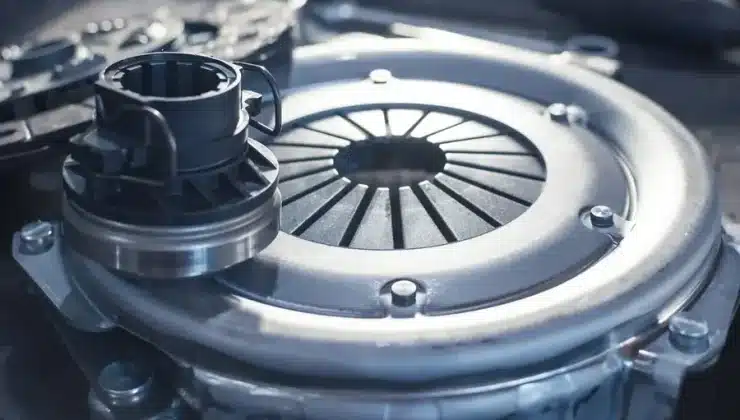
When you have a manual transmission car, the clutch is perhaps one of the most underestimated parts. It is the component that will carry out the transmission of power between the engine and the wheels and it will also enable you to easily shift gears. However, it gets run-down, as any part.
Being aware of the first symptoms of a failing clutch may keep you out of the need to get stranded, and luckily out of the need to repair it at huge expense. This is what to look out in case you have a worn out clutch, the cause and what remedies are possible.
What the Clutch Actually Does
Simply speaking, the clutch joins and separates the engine to the transmission. The clutch pedal momentarily de-couples the drivetrain to allow gears to be changed. when you pass through the pedal, it gives back and enables the engine to drive wheels.
Because of all the friction and movement involved, clutches naturally wear out with use—especially in stop-and-go traffic or if the vehicle is often driven hard.
6 Common Signs Your Clutch Is Wearing Out
1. Slipping Gears
When your engine screams but the car seems not to accelerate as it should an when the car seems to loose power when you require it to, you have a chance of clutch slippage. This is caused by the fact that the clutch cannot completely engage the transmission and a common reason is that the friction material is worn.
You’ll notice it more:
- When accelerating uphill
- When towing
- In higher gears under load
2. Burning Smell
When you are on the road and especially when changing gears or going through traffic, a burning smell can be a sign of your clutch being overheated. The common causes of this are usually slipping, excessive amounts of friction, or riding on the clutch pedal (placing your foot on it).
If the smell is accompanied by a slipping sensation, have the clutch inspected right away.
3. Difficulty Shifting Gears
If shifting feels stiff, sticky, or unusually difficult, your clutch may not be fully disengaging. This could be a sign of:
- A worn clutch plate
- A failing release bearing or pressure plate
- Hydraulic problems in the clutch system
Difficulty getting into first gear or reverse is usually the first symptom you’ll notice.
4. Spongy, Loose, or Vibrating Clutch Pedal
A lot is said by the feel of your clutch pedal. Squeaking pedal or a loose pedal could be due to air in the hydraulic lines, a worn-out clutch or even a stretched clutch cable (on the older vehicles). A shaking pedal can indicate a bent crankshaft or a bent crankshaft damper or a slipped clutch disk or a messed up flywheel or an out of position pilot bearing or an out of position pilot bearing or something worse (wink)
Any change in pedal feel is worth getting checked out—especially if it gets worse over time.
5. Noises When Depressing the Clutch
Squealing, grinding or chirping noise on pressing the clutch may be associated with the problem of one of the parts (throwout bearing or pressure plate). These components enable engagement and disengagement of clutch in a smooth manner.
Unusual sounds are often early signs that something is wearing out—don’t ignore them.
6. Poor Acceleration or Jerky Starts
If your vehicle feels sluggish from a stop or jerks during acceleration, your clutch may not be transferring power smoothly. It could be due to worn clutch plates or misalignment in the clutch assembly.
What Causes a Clutch to Wear Out Faster?
- Aggressive driving: Hard launches, riding the clutch, and constant gear changes wear components quickly.
- Stop-and-go traffic: Frequent clutch engagement leads to more wear.
- Towing heavy loads: Adds stress to the drivetrain.
- Poor driving habits: Resting your foot on the clutch pedal can cause unnecessary contact and friction.
When to Replace Your Clutch
The lifespan of clutches is in range but on average, clutches last up to 50,000 to 100,000 miles depending on how one drives and the type of vehicle. In case you have one or more of the above signs, then it is high time you took your clutch to a competent mechanic to be checked out.
In some cases, individual components (like the throwout bearing or clutch cable) can be replaced without changing the entire clutch system.
Pro tip: During clutch replacement, it’s smart to check related components—like the flywheel or pilot bearing—to avoid future labor costs. Tools like a roll pin removal tool may be needed for disassembling linkages or securing gear shift levers during the process.
How to Prolong Clutch Life
- Avoid riding the clutch—keep your foot off the pedal when not shifting
- Don’t hold the car on a hill using the clutch—use the handbrake instead
- Shift smoothly and avoid unnecessary downshifting
- Use the correct gear for your speed and terrain
Final Thought
Your clutch plays a critical role in your vehicle’s performance and drivability. Recognizing early warning signs—like slipping, strange smells, or difficulty shifting—can help you avoid bigger issues down the road.
If your car is showing symptoms, don’t wait for it to fail completely. A proactive repair today could save you from a costly breakdown tomorrow.