
How to Style a Room Around a Gray Sofa
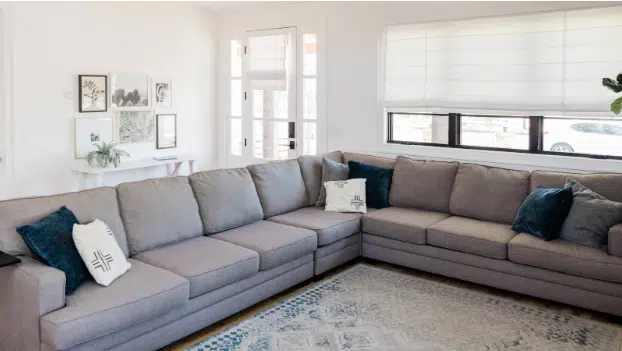
Transforming a living space around a gray sofa can feel overwhelming, especially when you’re staring at what feels like a blank canvas. However, this neutral powerhouse offers incredible flexibility for creating stunning room decor ideas that reflect your style.
Over-styled, overdone interiors don’t feel quite right for now, as social media has moved away from perfectly curated feeds and more towards less-polished ‘photo dumps’ – and so have our homes. This shift toward authenticity makes gray sofa styling more approachable than ever.
You don’t need to achieve magazine-perfect results; instead, focus on creating a space that feels genuinely yours while maximizing your sofa’s potential as a design anchor.
Understanding Your Gray Sofa’s Potential
Your gray sofa isn’t just furniture – it’s the foundation for countless design possibilities. This versatile piece can adapt to virtually any aesthetic, from minimalist modern to cozy farmhouse charm.
Why Gray Works as a Design Foundation
Gray’s neutral nature makes it the perfect backdrop for experimenting with colors and textures. Unlike bolder sofa colors that can limit your options, gray allows you to switch up your home interior design seasonally without major overhauls. Whether you choose a light dove gray or deeper charcoal, you’re working with a color that plays well with both warm and cool tones.
A gray sectional sofa offers even more styling opportunities due to its larger scale and multiple seating areas. The extended surface area provides more space for layering throw pillows, blankets, and other decorative elements that can transform the entire room’s mood.
Assessing Your Space and Lighting
Before diving into styling a gray sofa, take time to evaluate your room’s natural lighting and existing elements. Rooms with abundant natural light can handle darker gray tones, while spaces with limited light benefit from lighter shades. Consider your flooring, wall colors, and architectural features – these elements will influence which styling approaches work best.
Color Schemes That Work
Creating a cohesive gray sofa color scheme doesn’t require following rigid rules. Instead, think about the mood you want to create and let that guide your color choices.
Warm and Inviting Palettes
Pairing your gray sofa with warm tones creates an instantly cozy atmosphere. Think soft yellows, muted oranges, and rich browns. These colors counteract gray’s potentially cool undertones, making your space feel more inviting.
Rose Uniacke, a renowned interior designer, often incorporates soft yellow accents through upholstery and curtains, proving this combination’s effectiveness in professional settings.
Terracotta and rust tones work beautifully with gray, especially when introduced through throw pillows or artwork. These earthy colors feel grounded and natural, perfect for creating a space that encourages relaxation.
Cool and Contemporary Combinations
For a more modern approach, embrace gray’s cool undertones by pairing it with blues, purples, and crisp whites. This palette feels fresh and sophisticated, ideal for contemporary homes. Navy blue creates a striking contrast without overwhelming the space, while soft lavender adds a touch of unexpected elegance.
Neutral Layering Techniques
Sometimes the most effective approach involves working within a neutral palette. Layer different shades of gray, cream, and beige to create depth and visual interest. This monochromatic approach relies on texture and tone variation rather than bold color contrasts.
Furniture and Accessories Selection
The right supporting pieces can make or break your gray sofa styling efforts. Focus on creating balance and visual flow throughout your space.
Accent Furniture Choices
Coffee tables in natural wood tones warm up a gray sofa beautifully. The organic grain and warm undertones create a perfect contrast against the sofa’s neutral backdrop. Metal accent tables work well too, especially in brass or copper finishes that add subtle warmth.
Side tables don’t need to match your coffee table perfectly. Mixing materials – perhaps a wooden coffee table with metal side tables – creates visual interest while maintaining cohesion through your color scheme.
Textile Layering Strategies
Throw pillows are your secret weapon for transforming a gray sofa’s personality. Mix patterns and textures, but keep your color palette consistent. A combination of solid colors, subtle patterns, and one statement pillow creates visual hierarchy without chaos.
Blankets and throws add another layer of texture and color. Drape them casually over the sofa’s arm or back for an effortless, lived-in look that aligns with current design trends favoring authenticity over perfection.
Lighting and Ambiance
Table lamps and floor lamps can dramatically impact how your gray sofa appears in the room. Warm white bulbs enhance cozy color schemes, while cooler bulbs complement contemporary palettes. Position lighting to eliminate harsh shadows while highlighting your sofa’s best features.
Styling Tips for Different Room Sizes
Your room’s size significantly influences how you should approach gray sofa styling. What works in a spacious living room might overwhelm a cozy apartment.
Small Space Solutions
In compact rooms, lighter gray tones help maintain an airy feel. Avoid heavy, dark accessories that can make the space feel cramped. Instead, choose pieces that reflect light – mirrors, glass-topped tables, and metallic accents work wonderfully.
Wall-mounted shelving saves floor space while providing opportunities for displaying decorative objects that complement your sofa. Keep accessories minimal but impactful, focusing on a few well-chosen pieces rather than numerous small items.
Large Room Strategies
Spacious rooms can handle darker gray tones and bolder styling choices. Use area rugs to define different zones within the room, creating intimate conversation areas even in large spaces. Oversized artwork or a gallery wall behind your sofa can help fill vertical space effectively.
Consider adding additional seating – accent chairs or ottomans – to create a more complete furniture arrangement. This prevents your gray sofa from looking lost in a large room while providing extra functionality.
Open Floor Plan Considerations
In open-concept homes, your gray sofa might need to coordinate with adjacent spaces. Choose a color scheme that flows naturally into your dining area or kitchen. Repeating certain colors or textures throughout the open space creates visual continuity.
Common Styling Mistakes to Avoid
Even experienced decorators make mistakes when styling around a gray sofa. Learning from these common pitfalls can save you time and frustration.
Overcrowding the Space
It’s tempting to fill every surface with decorative objects, but restraint creates more impact. Choose a few meaningful pieces rather than cluttering your coffee table and side tables. This approach aligns with the current trend away from over-styled interiors.
Ignoring Scale and Proportion
Accessories should complement your sofa’s size, not compete with it. Tiny throw pillows look lost on a large sectional, while oversized artwork might overwhelm a compact loveseat. Pay attention to these relationships for a polished look.
Neglecting Texture Variation
A room with only smooth surfaces feels flat and uninspiring. Mix textures – smooth leather, nubby linen, glossy ceramics, and rough wood – to create visual and tactile interest. This layering technique adds depth without relying solely on color.
Gray Sofa Styling Comparison
| Styling Approach | Best For | Key Elements | Mood Created |
| Warm Neutral | Traditional homes | Creams, browns, soft yellows | Cozy, inviting |
| Cool Contemporary | Modern spaces | Blues, whites, metallics | Fresh, sophisticated |
| Earthy Natural | Casual living | Terracotta, greens, wood tones | Grounded, relaxed |
| Monochromatic | Minimalist style | Various gray shades, whites | Calm, elegant |
Your Gray Sofa Questions Answered
1. What accent chairs go with a grey sofa?
Choosing the right accent chair color for a grey sofa can transform your living space. Bold colors like yellow or teal create a vibrant contrast, while muted tones like soft pink or light blue offer a calming effect.
2. What color entertainment center goes with a grey couch?
A white TV stand offers a clean, crisp contrast to a grey couch. This timeless combination creates a fresh, airy feel in your living room. White furniture has a way of brightening up a space, making it feel larger and more open.
3. How do I prevent my gray sofa from looking boring?
Layer different textures through throw pillows, blankets, and rugs. Add plants for natural color and life. Incorporate metallic accents through lamps or picture frames to catch light and create visual interest.
Bringing It All Together
Styling a gray sofa successfully comes down to understanding your space, choosing a cohesive color scheme, and layering textures thoughtfully. Remember that nature-inspired elements reign supreme in current design trends, so don’t hesitate to incorporate plants, natural materials, and earthy tones into your styling approach.
Your gray sofa offers a foundation for expressing your style while maintaining flexibility for future changes. Whether you prefer bold contrasts or subtle neutral layering, the key is creating a space that feels authentically yours rather than perfectly curated. After all, the best-styled rooms are those that invite you to relax and truly live in them.