
How to Protect Your Home from Unexpected Risks
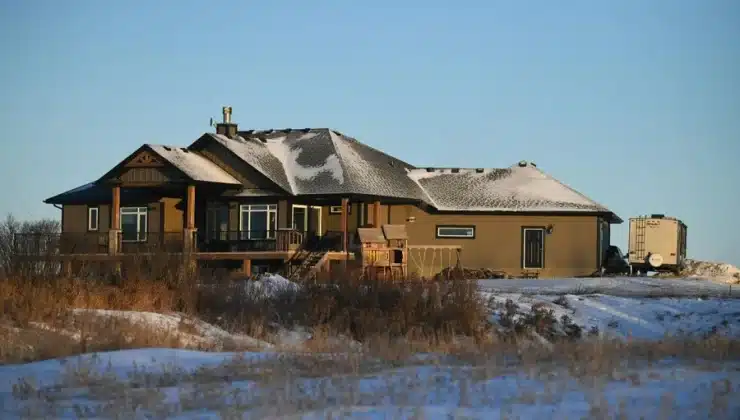
Your home is probably your biggest money pit. Sorry, I mean your biggest investment. Things go wrong when you least expect them. A pipe bursts. A windstorm rips off some shingles. A guest slips on your steps. Most people react after the damage happens. That costs more money and more stress. A little planning upfront changes everything. Let’s talk about the stuff nobody warns you about.
Why Saskatchewan Homeowners Need a Different Approach
The weather here does not mess around. You get freezing cold winters. You get sudden summer storms. And let’s not forget the open prairies where wind has no brakes. So when we talk about protecting your home in Saskatchewan, you have to think about things that matter less in other places. For example, a cracked foundation from freezing and thawing. Or a tree branch snapping in a heavy snowstorm. A standard checklist from a website in California won’t help you. You need local sense. That means checking your roof before winter hits. And making sure your sump pump works for spring runoff.
Water Damage Is Sneaky and Expensive
Water finds every tiny weakness. A slow drip behind your washing machine. A clogged gutter that spills water against your foundation. A cracked seal around a window. You might not see it for months. Then one day you smell mold or see a stain on the ceiling. The fix is never cheap. So walk around your house every season. Look at your ceilings and walls. Feel under sinks for wet spots. Clean your gutters twice a year. And know where your main water shut off valve lives. Show every family member. That one tip saves thousands of dollars.
Fire Risks You Are Probably Ignoring
You have smoke detectors. Good. But when did you last change the batteries? Be honest. Also look at your dryer lint trap. Clean it every single load. Lint is super flammable. And do not leave space heaters near curtains or beds. Outside, keep firewood and dry leaves away from your siding. One stray spark from a grill or a bonfire turns into a nightmare. Walk around your home and ask yourself one question. What could burn here? Then fix those things.
Electrical Problems Hide Behind Your Walls
Old wiring is a quiet danger. If your home is more than 30 years old, pay attention. Flickering lights. Breakers that trip a lot. Outlets that feel warm to the touch. Those are warning signs. Do not ignore them. Also avoid plugging too many things into one power strip. Space heaters and air conditioners need their own outlet. And if you have aluminum wiring from the 1960s or 70s, get an electrician to look at it. That stuff can overheat behind your walls. You would never know until it is too late.
Sewer Backup Is Gross and Costly
Nobody wants to talk about this one. But a sewer backup ruins your basement fast. Raw sewage destroys carpet, furniture, and anything else down there. The smell sticks around for weeks. Most basic home insurance policies do not cover sewer backup. You have to add it separately. Call your insurance person and ask. Also install a backwater valve on your main sewer line. It is a one time cost that stops sewage from flowing back into your home. Cheap insurance compared to the alternative.
Liability Risks From Visitors
Someone rings your doorbell. They walk up your icy steps. They slip and break their wrist. Guess who pays for their hospital bills? You do. That is what your liability coverage is for. But only if you have enough. Most basic plans give you 100,000 dollars in liability. That sounds like a lot. One bad injury lawsuit blows past that number fast. Raise your limit to 300,000 or 500,000 dollars. It costs an extra few dollars a month. Also clear your walkways after snow. Fix loose railings. Tie down loose rugs. Small things matter here.
Theft Prevention Is About Making Your Home Annoying
Burglars want an easy target. So do not be easy. Put motion sensor lights near your doors and garage. Lock your windows even when you are home. Do not leave a spare key under the mat or in a fake rock. Thieves check those spots first. If you go on vacation, stop your mail and newspapers. A pile of papers on the porch screams “nobody is home.” Also consider a doorbell camera. You do not need a full security system. Just something that makes a thief pick your neighbor’s house instead of yours.
Maintenance Is Your Real Protection Plan
None of this works if you ignore basic upkeep. Replace old caulk around windows and doors. Trim trees so branches do not touch your roof. Clean your chimney once a year if you use a fireplace. Test your smoke and carbon monoxide detectors every six months. These tasks are not exciting. But they stop big problems before they start. Set a reminder on your phone for the first Saturday of every season. Spend one hour walking around your home. That hour saves you thousands in repairs.
That is the list. Nothing fancy. Just straight talk about keeping your home safe. Pick one thing from this article and do it this week. Future you will be grateful.