
How to Plan a Spain Itinerary: Cities, Coasts, Food, and Free Time
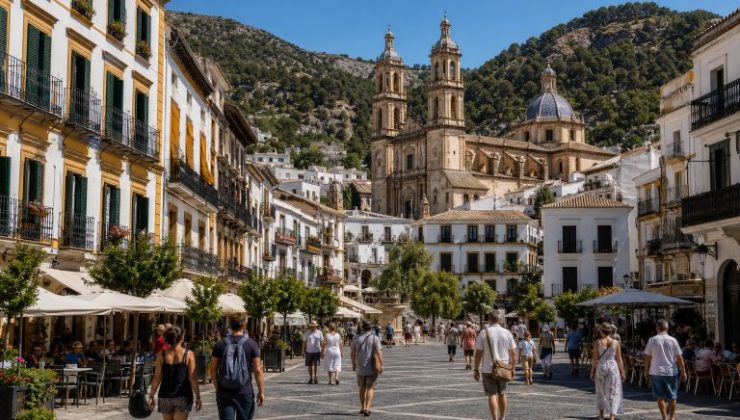
Spain rewards travelers who plan with rhythm rather than speed. From Madrid's museum-filled boulevards to Andalusia's courtyards, Catalonia's coastline, and the green landscapes of the north, the country offers a remarkable variety within one trip. Well-designed Spain tour packages can help travelers connect these experiences without turning every morning into a hotel checkout and every afternoon into a transfer.
The most satisfying Spain itinerary for 2026 is not necessarily the longest route on a map. It is a route that leaves enough room to notice daily life: a late coffee at a neighborhood bar, an unplanned stop at a food market, a cool museum afternoon, or a sunset walk beside the sea. Start with the available time, then shape each stop around realistic travel days.
Plan Around the Length of Your Trip
One Week in Spain
For seven days, two main bases are usually enough. A city-focused trip might combine Madrid and Barcelona, while a city-and-coast plan could pair Barcelona with Valencia or Málaga. Avoid adding a new overnight destination every day. Instead, reserve one flexible half-day at each base for wandering, shopping, rest, or a nearby attraction that appeals after arrival.
Ten Days in Spain
Ten days can support three well-connected stops. A balanced route could include a major city, a historic inland destination, and a coastal or nature-oriented stay. Madrid, Córdoba, Seville, and Málaga work naturally for many first-time visitors, while Barcelona, Valencia, and a Costa Brava base offer a Mediterranean alternative. Keep hotel changes to a minimum so each destination has time to feel familiar.
Two Weeks or More
With two weeks, travelers can slow down and add contrast. Consider northern Spain for Atlantic scenery and pintxos, an island for swimming and hiking, or an inland town for a quieter pace. Longer trips are also the right time to schedule a true rest day rather than treating every empty hour as something to fill.
Choose Regions That Work Well Together
Spain is geographically diverse, so efficient itineraries follow simple transport links rather than zigzagging across the country. Central Spain is ideal for museums, royal history, parks, and city neighborhoods. Catalonia blends architecture, markets, beaches, and easy day trips. Andalusia brings historic centers, regional cooking, flamenco traditions, and mountain scenery within reach of several cities.
For a greener, food-led route, the Basque Country combines coastal views, contemporary art, and pintxos bars. Valencia and the east coast suit visitors who want old streets, modern architecture, rice dishes, and beach time. The Balearic and Canary Islands are often best treated as slower, single-region escapes rather than quick additions to a crowded mainland itinerary.
Build a Route With Less Backtracking
Start With a Main Theme
Decide what should define the trip. Art lovers may begin with Madrid or Barcelona. Travelers focused on history may choose Andalusia. Beach-oriented visitors may look toward the Mediterranean coast or islands. Food-focused travelers can build around San Sebastián, Valencia, Seville, or smaller regional towns.
Add One Meaningful Contrast
Pair a busy city with a smaller place, a coast with an inland historic center, or museum days with open-air walks. This creates variety without forcing long transfers. Group nearby sights on the same day, and aim for one or two major plans rather than a tightly timed list from breakfast through dinner.
Count the Full Travel Day
Compare rail, buses, rental cars, and flights by including the time needed to reach stations or airports, collect luggage, and check into the next hotel. High-speed rail is particularly useful on many city-center routes, while preparing a train journey in advance can help travelers understand station timing, ticket details, and connections. Put longer transfers at the beginning or end of a multi-night stay whenever possible.
Use Trains, Cars, and Flights Wisely
Trains are a convenient choice for many routes between major cities, especially when travelers prefer to avoid driving and parking. Regional trains and buses can work well for shorter journeys, though schedules may be less frequent outside major corridors. A rental car is useful for mountain villages, wine areas, rural Andalucía, northern coastal roads, and places where public transport is limited. Internal flights can make sense when mainland travel would take most of a day, but they should not be the default for short, rail-friendly routes.
Match the Season to the Experience
Spring is well-suited to walking, gardens, festivals, and outdoor meals, although northern and mountainous areas can remain cool. Summer favors beaches, islands, and evening activities, while hot inland destinations call for early sightseeing and a midday break. Fall often works well for city trips, food experiences, vineyards, and coastal walks. Winter can be excellent for museums, markets, and southern Spain, but temperatures differ sharply between the central plateau, mountains, and coasts.
Wherever you go, follow responsible travel practices in Spain by respecting protected spaces, using local services, and spreading time and spending beyond the busiest visitor zones. Smaller towns, local guides, family-run restaurants, and off-peak visits can make the trip feel more personal while supporting communities along the route.
Make Food Part of the Journey
Do not reduce Spanish food to a restaurant checklist. Try a regional dish where it belongs, visit markets early, and leave space for bakeries, coffee stops, tapas, and long lunches. Ask local hosts where they eat on an ordinary weekday, and remember that dining hours may be later than many visitors expect. Reservations are wise for popular restaurants, but not every meal needs to be planned before arrival.
Balance Big Sights With Smaller Places
Book high-demand landmarks early in the day, then follow them with a nearby neighborhood walk, a garden, a workshop, or a food hall. Iconic places matter, but they do not need to occupy every hour. A smaller town between two major cities can break up the journey and create space for a slower evening, particularly on a ten-day or two-week itinerary.
Sample Planning Frameworks
- Seven-day city and culture plan: Two bases, one short day trip, landmark visits, markets, neighborhood walks, and one free afternoon.
- Ten-day food and history plan: Three rail-connected bases, historic sites, regional meals, a market or cooking activity, and one smaller-town stop.
- Fourteen-day city, coast, and nature plan: Two cities, one coastal base, one nature-focused stop, and several low-schedule days for swimming, hiking, or scenic drives.
Common Questions
How many destinations should a first trip include?
For one week, two or three main bases are usually more enjoyable than a long sequence of overnight stops.
Is Spain better for trains or driving?
Trains are often best for major-city routes. A car offers more freedom in rural, mountainous, and small-town areas.
Should attractions be booked in advance?
Yes, especially for famous landmarks, timed-entry sites, popular performances, and peak-season dates.
Conclusion
A strong Spain itinerary combines ambition with breathing room. Choose connected regions, protect recovery time after flights and long transfers, and make space for food, conversation, coastlines, parks, and unexpected discoveries. The result is not simply a trip that covers Spain, but one that lets Spain feel lived in.