
How to name a used boat without inventing its past
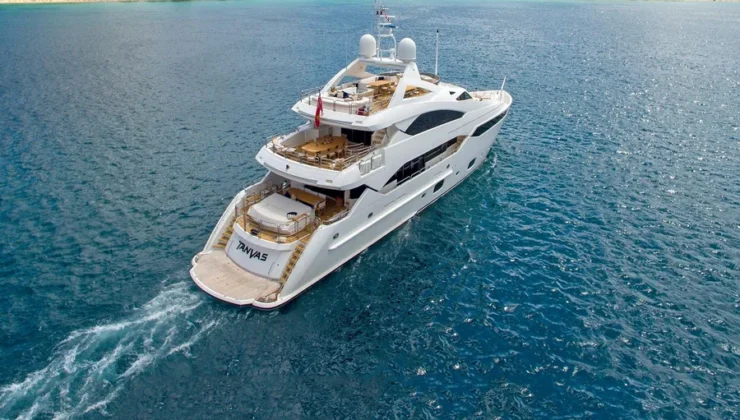
An older boat can seem to come with a story before I know much about it. A faded decal, a replaced seat, a marina sticker, or the outline of removed lettering can seem connected, as though they all point to the same history. I have caught myself linking those details before checking what the listing confirms.
That imagined past can lead to a memorable name, but the name may reflect a life I invented rather than the boat’s future. I can respect prior use without filling every gap with drama, romance, or adventure. The question is why a few photographs can feel like enough evidence to build a biography.
Why listing photos feel like pieces of a biography
Listing photos show what is present, but they rarely explain how it got there. A worn patch on a seat may come from years of use, one rough season, long storage, or a repair made with replacement material. An old marina sticker may point to a place connected with the boat, yet it cannot confirm where the owner traveled, how often the boat was used, or what those trips meant.
That gap between detail and context is where imagination takes over. I have learned to pause before turning a mark into a story. When I browse boat repossession auctions and other salvage listings, I use the photos to record what I can verify about a boat, not to reconstruct the previous owner’s life. Visible wear is evidence of use, not a verified biography. OOnce I treat each image as a record of what is visible rather than a complete account, I can decide which details are reliable enough to shape the name.
Which boat details can honestly shape a name
The details worth using in a name fall into two groups: what can be verified now and how the boat will actually be used. The first includes boat type, layout, color, documented repairs, and manufacturing records. The second covers where it will be used, who will be aboard, and what those trips will involve.
| Basis for the name | What it can suggest | Naming direction |
| Type and construction | Likely use and general character | Motion, shape, pace |
| Size and layout | How the owner may use the space | Family outings, solo trips, small groups |
| Documented restoration detail | Now part of the boat | Color, material, renewal |
| Where it will be used | A real link to local waters | Lake, bay, shore, landmark |
| Main purpose | Likely pattern of regular use | Fishing, day trips, cruising |
A strong boat name reflects what the boat is or how it will be used, not what may have happened to it before. Under U.S. Coast Guard regulations, a Hull Identification Number identifies the boat and includes a manufacturer identification code, serial number, manufacture or certification date, and model year, but it cannot explain how a previous owner used it or what the old name meant. Verified facts only go so far: they can describe the boat, but not private circumstances of the person who owned it.
What not to borrow from an unknown past
Respecting a boat’s past does not require inventing a personal story for it. Trouble starts when a name implies something about the former owner, the reason for the sale, or an event that no document or listing confirms. The name may sound clever, but its meaning then depends on a guess being true.
I would leave these ideas out:
- assumed financial hardship;
- imagined accidents, rescues, or losses;
- a supposed family or romantic history;
- unverified routes, achievements, or adventures.
The old name should not be taken literally either. It may have come from a family joke, initials, a favorite place, or an association that made sense only to the previous owner. Respectful renaming begins where the verified story ends. Setting unsupported ideas aside does not make the new name less personal. It leaves room for meaning the new owner can honestly create and clearly explain.
How to build a name from facts, future use, and personal meaning
I do not start with a clever word. I start with three things: one verified feature of the boat, how it will be used, and a personal connection the new owner can explain.
- Choose one verified feature. Focus on the detail that gives the boat its clearest identity, such as compact size, hull shape, restored blue trim, or another feature confirmed during inspection.
- Define its future use. Be specific: dawn fishing, family outings, short coastal runs, or quiet afternoons on a lake.
- Add a personal association. A family phrase, local landmark, profession, habit, or real memory can add meaning without borrowing from the former owner.
- Make three to five short options. Combine the most relevant words, then leave them alone for a day instead of forcing a decision.
- Test each name in everyday use. Say it aloud, picture it on the transom, use it in a normal sentence, and notice whether it needs a long explanation.
A compact fishing boat used before sunrise might become First Light. Restored blue trim and regular trips across a local bay could lead to Blue Current. A steady family cruiser associated with slow Sunday outings might suit Sunday Calm.
A boat does not need an invented tragedy or romantic backstory to earn a memorable name. When the name comes from verified details, future use, and personal meaning, it belongs to the life the new owner builds around the boat.