
How to Maximize Vehicle Parking Storage Near You
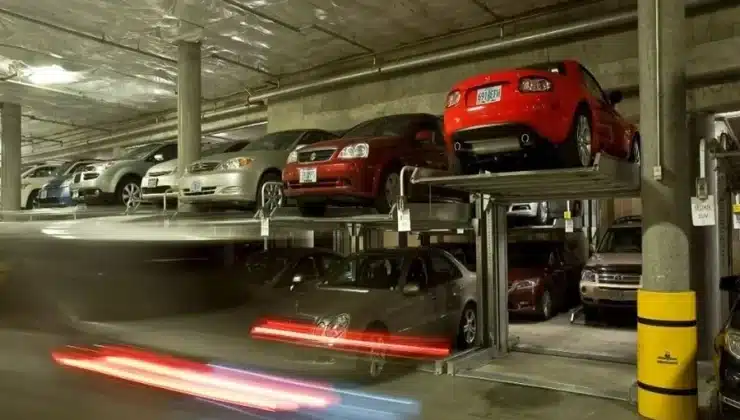
Finding enough space to store your vehicle—whether it’s a car, truck, trailer, or recreational vehicle—can be challenging, especially in areas where parking is limited. Maximizing your parking storage not only keeps your vehicle protected but also ensures you’re using every square foot effectively.
With the right strategies, you can reduce clutter, protect your investment from environmental damage, and make your parking or garage space more functional.
This guide will walk you through practical steps to get the most out of your available space, from reorganizing your garage to exploring alternative storage solutions.
Key Takeaways
- Efficient storage strategies help you maximize space, reduce clutter, and improve safety.
- Proper storage can extend the life of your vehicle by protecting it from the elements.
- Simple upgrades can significantly increase capacity.
- Alternative storage facilities can be a great solution if space at home is limited.
- Regular maintenance and organization are key to a sustainable storage plan.
Step 1: Understand Your Vehicle Storage Needs
The first step to improving your vehicle parking and storage is to evaluate your current situation. A clear understanding of your needs will help you choose the right solutions.
Assess Your Current Parking Setup
Start by looking at how you currently store your vehicle(s). Consider:
- How many vehicles you own and their sizes
- Other items competing for garage or driveway space (bikes, tools, seasonal equipment)
- Any space limitations caused by poor layout or clutter
Identify Pain Points
Ask yourself what’s not working:
- Is it hard to maneuver vehicles in and out?
- Do you frequently bump into stored items?
- Is your vehicle exposed to weather hazards?
Set Clear Goals
Your goals may include:
- Short-term: Decluttering, reorganizing, and creating immediate parking space
- Long-term: Investing in structural improvements, like a larger garage or car lift
Step 2: Optimize Your Garage for Parking Storage
Your garage is often your most valuable storage asset, but without a plan, it can quickly become overcrowded.
Declutter First
Remove items you no longer need. Donate, recycle, or dispose of unused tools, furniture, and broken equipment.
Use Zoning Strategies
Divide your garage into dedicated zones:
- Vehicle parking
- Tool and maintenance area
- Seasonal or sports equipment storage
Rotate Seasonal Items
Move out-of-season items (like snow blowers in summer) to a shed or storage unit.
| Storage Solution | Description | Benefits |
| Vertical Storage | Wall-mounted shelves or hooks | Frees up floor space and keeps items organized |
| Ceiling Storage | Overhead racks for rarely used items | Maximizes unused space above vehicles |
| Floor Planning | Marked parking areas for multiple cars | Reduces clutter and improves maneuverability |
Step 3: Explore Innovative Vehicle Parking Storage Solutions
Modern solutions can help you fit more into less space while keeping your vehicle secure.
Car Lifts and Stackers
Perfect for small garages, car lifts let you stack vehicles vertically.
- Hydraulic lifts: Smooth and quiet operation, ideal for daily use
- Mechanical lifts: Budget-friendly but may require more manual setup
Installation Tip: Always have a professional assess your garage’s ceiling height, floor strength, and electrical needs before installing.
Portable Garages and Carports
These offer weather protection without permanent construction. They’re great for seasonal or temporary use and can be moved if needed.
Custom Garage Cabinets and Storage Systems
Tailored storage units keep tools, cleaning supplies, and parts organized while freeing up parking space.
Smart Parking Technologies
Some systems use sensors or automation to guide vehicles into tight spaces, reducing the risk of damage.
| Innovative Solution | Description | Benefits |
| Car Lifts & Stackers | Park vehicles vertically | Doubles capacity in same footprint |
| Portable Garages | Temporary, movable structures | Affordable and weather-resistant |
| Custom Cabinets | Built to fit your space | Keeps items organized and off the floor |
| Smart Parking Systems | Automation & sensors | Improves safety and efficiency |
Step 4: Consider Alternative Storage Options Beyond Your Property
If home storage isn’t an option, off-site facilities can be a secure and convenient choice.
Indoor vs. Outdoor Facilities
- Indoor storage: Climate-controlled and offers maximum protection from weather, ideal for high-value vehicles.
- Outdoor storage: More affordable but exposes your vehicle to the elements.
Security Features to Prioritize
Look for:
- Gated access with secure entry codes
- 24/7 surveillance cameras
- On-site staff or security patrols
- Good lighting throughout the property
Community Parking Solutions
Some neighborhoods or residential complexes offer shared garages or designated vehicle storage areas.
Step 5: Factor in Seasonal Storage Needs
Vehicles not used year-round need extra care during storage periods.
Winter Storage for Summer Vehicles
Before winter, prepare your vehicle by:
- Cleaning and waxing the exterior
- Adding fuel stabilizer
- Disconnecting or maintaining the battery
- Using a breathable vehicle cover
Summer Storage for Winter Vehicles
In hot climates, protect against UV damage by:
- Parking in shaded or covered spaces
- Using windshield sunshades
- Checking tire pressure regularly
Step 6: Factor in Location and Convenience
Even the most secure facility isn’t ideal if it’s hard to reach.
- Proximity to Home or Routes: Close access saves time and fuel, especially if you use the vehicle often.
- Access from Major Roads: Wide, well-paved driveways and minimal tight turns make towing or driving larger vehicles easier.
- Facility Layout & Maneuverability: Ample space to turn, back in, or move trailers without risk of damage.
Step 7: Weigh Costs and Contract Terms
The cheapest option isn’t always the best value. Balance cost with protection, convenience, and amenities.
- Compare Pricing Structures: Monthly, quarterly, and annual plans may offer different rates and discounts for long-term commitments.
- Look for Hidden Fees: Ask about after-hours access charges, late payment penalties, or maintenance service fees.
- Review Contract Flexibility: Choose facilities with reasonable cancellation or transfer policies in case your needs change.
Step 8: Preparing Your Vehicle for Extended Storage
No matter where you store your vehicle, preparation is essential to avoid damage.
- Wash and wax the exterior to protect paint
- Clean the interior to prevent odors and pests
- Inflate tires to the recommended PSI
- Disconnect or maintain the battery
- Cover the vehicle with a breathable, weather-resistant cover
Step 9: Create a Sustainable Vehicle Storage Plan
Once your storage setup is in place, keep it sustainable:
- Regularly check stored vehicles for damage or maintenance needs
- Keep your garage or storage area organized year-round
- Reassess your setup every 6–12 months to adapt to new needs
Conclusion
Maximizing your vehicle parking storage isn’t just about finding a spot, it’s about creating a secure, accessible, and efficient system that works for your needs year-round. By assessing your current space, exploring innovative solutions, and considering off-site options when necessary, you can protect your vehicle and simplify your life.
A well-organized and thoughtfully planned storage setup can save you time, reduce stress, and even help maintain your vehicle’s value. Start making small improvements today, and you’ll quickly see the difference in both convenience and peace of mind.
FAQ
What are the benefits of maximizing vehicle parking storage?
Maximizing your parking storage saves space, reduces clutter, and protects your vehicle from damage. It also improves the overall functionality and safety of your storage area.
How do I assess my current vehicle storage situation?
Evaluate the number and size of vehicles you need to store, identify clutter or obstacles, and determine whether your current setup meets your needs.
What are some innovative solutions for vehicle parking storage?
Car lifts, portable garages, custom storage cabinets, and smart parking technologies are great options for increasing capacity and efficiency.
How do I choose the right vehicle storage facility?
Look for a facility with strong security, convenient location, and the right type of storage for your needs. Review customer feedback before making a decision.
What are the advantages of using car lifts and stackers?
They allow you to store multiple vehicles in the same floor space, doubling capacity and improving access.
How can I protect my vehicle during extended storage?
Opt for climate-controlled storage, use a quality vehicle cover, maintain proper tire pressure, and keep the battery charged.
What are cost-effective options for vehicle storage?
Portable carports, community parking spaces, and DIY garage organization systems can be budget-friendly alternatives.


