
How To Clean And Maintain Restaurant Chairs For Long-term Use
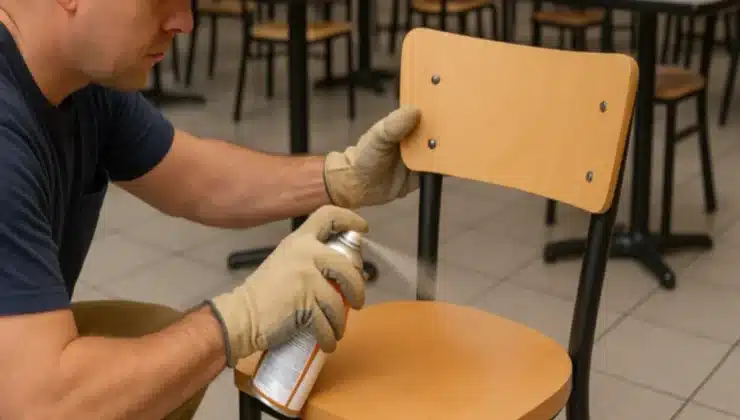
Daily Cleaning Practices for Restaurant Chairs
Daily cleaning is essential to keeping restaurant chairs in good condition and ensuring a hygienic dining environment. Since chairs are used by countless customers each day, they quickly accumulate dust, food crumbs, and fingerprints. For wooden and metal chairs, a simple wipe-down with a soft cloth and mild cleaning solution is usually sufficient. Upholstered chairs may need vacuuming to remove dirt and debris from fabric or leather surfaces. Disinfecting high-touch areas like armrests and backrests is also crucial for maintaining hygiene. Establishing a daily cleaning routine not only prevents buildup of dirt but also helps extend the life of the furniture. Clean, well-kept restaurant chairs contribute to a positive first impression and reassure customers that the restaurant prioritizes cleanliness and comfort. Consistency in daily cleaning can make a significant difference in both customer satisfaction and long-term furniture upkeep.
Removing Stains and Spills from Different Types of Restaurant Chairs
Spills are inevitable in any restaurant, but knowing how to handle them quickly can prevent long-term damage to restaurant chairs. For wooden chairs, spills should be wiped immediately to avoid staining or warping the material. A damp cloth with mild soap can usually remove most marks, followed by drying with a soft towel. Metal chairs are more resistant to stains but may develop rust if liquids are left unattended, so prompt cleaning is important. Upholstered chairs often require more care—blotting stains instead of scrubbing helps avoid spreading them. Specialized fabric cleaners or stain removers can tackle tougher marks, while leather chairs benefit from leather-safe cleaning products. Regularly treating upholstered or leather chairs with protective sprays can also help prevent permanent damage. By addressing stains promptly and using the right cleaning methods, restaurant owners can preserve the appearance and functionality of their chairs for years to come.
Preventing Damage Through Proper Care of Restaurant Chairs
Beyond cleaning, preventive care is critical to maintaining restaurant chairs in excellent condition. Simple measures like using felt pads on chair legs prevent scratches on flooring while also reducing wear on the furniture. Avoid dragging chairs across rough surfaces, as this can weaken joints or damage frames. For wooden chairs, applying a protective polish or sealant every few months can help guard against moisture and scratches. Metal chairs may need periodic inspections for loose screws or rust spots, which can be treated before they spread. Upholstered chairs should be kept away from direct sunlight to prevent fading and fabric deterioration. Training staff to handle chairs carefully when cleaning or rearranging tables is another effective way to reduce unnecessary damage. By focusing on prevention, restaurant owners not only extend the life of their chairs but also minimize repair costs over time.
Long-Term Maintenance Tips to Extend the Life of Restaurant Chairs
Long-term maintenance goes beyond routine cleaning and involves scheduled care to keep restaurant chairs in peak condition. Setting aside time for regular inspections allows owners to identify loose joints, wobbly legs, or fabric wear before they become major problems. Reupholstering or refinishing chairs can breathe new life into older furniture, saving costs compared to complete replacement. For metal chairs, applying anti-rust treatments ensures longevity, while wooden chairs may benefit from refinishing to restore their shine. Leather chairs should be conditioned regularly to prevent cracks and maintain flexibility. Investing in high-quality protective covers during off-hours or when chairs are in storage also helps extend their lifespan. Ultimately, consistent maintenance not only saves money but also ensures that restaurant chairs continue to provide comfort, safety, and style to customers, reinforcing the restaurant’s commitment to quality service.
Conclusion
Restaurant chairs are a vital part of any dining establishment, and proper care ensures they last for many years while maintaining their appearance. Daily cleaning routines keep chairs free of dust, crumbs, and germs, while quick action on spills prevents stains from becoming permanent. Preventive care, such as applying protective finishes, avoiding rough handling, and addressing minor issues early, greatly reduces long-term damage. Scheduled maintenance like reupholstering, conditioning leather, or applying anti-rust treatments helps extend the lifespan of chairs and keeps them looking fresh. Clean, durable, and well-maintained restaurant chairs not only save owners money in the long run but also improve customer satisfaction by creating a welcoming, professional dining environment. By combining daily care, preventive practices, and long-term maintenance, restaurant owners can protect their investment and ensure that their furniture continues to support the success of their business.