
How the CBSE Curriculum Supports Academic and Skill Development
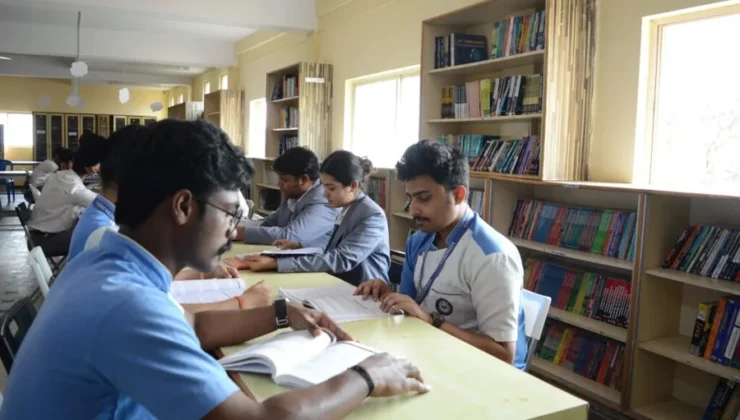
A school curriculum does more than determine which subjects children study. It shapes how knowledge is introduced, developed and applied throughout their academic journey. For families exploring CBSE schools in Bannerghatta Road, understanding this structure can help explain how classroom education can contribute not only to academic performance but also to skills such as reasoning, communication and problem-solving.
The CBSE framework provides a structured progression across different stages of schooling. As students move from foundational classes to higher grades, concepts become more detailed, academic expectations increase, and learners gradually take greater responsibility for their work.
Building Knowledge Progressively
A curriculum works best when new learning connects with what students already know.
In the early years, children develop fundamental abilities such as reading, writing, numeracy and communication. These foundations become increasingly important as they encounter more complex concepts in later classes.
For example, basic mathematical operations support topics such as algebra, geometry and statistics. Similarly, strong reading comprehension helps students understand increasingly detailed material across subjects.
This progression prevents learning from becoming a collection of disconnected chapters and allows students to build knowledge over time.
Different Subjects, Different Ways of Thinking
Academic subjects contribute to development in different ways.
1. Mathematics and logical reasoning
Mathematics encourages students to recognise patterns, understand relationships and work towards solutions. Problem-solving requires them to examine information and determine which approach is appropriate.
2. Science and investigation
Science introduces students to observation, experimentation and evidence. Understanding why something happens can encourage deeper learning than simply memorising an answer.
3. Languages and communication
Reading, writing and comprehension are essential across the curriculum. Strong language skills help students understand information, organise their thoughts and communicate ideas clearly.
4. Social sciences and perspective
History and geography expose students to different societies, places and events. They can encourage learners to examine causes, consequences and perspectives rather than viewing facts in isolation.
Together, these subjects create a broad academic foundation while encouraging different forms of thinking.
From Understanding to Application
Knowing information is only one part of learning. Students also need opportunities to use it.
Consider a mathematics lesson involving percentages. Students may first learn the calculation method and later encounter percentages while studying discounts, statistics or data.
The same principle applies to science. A concept introduced in a textbook can become more meaningful when students see how it relates to environmental issues, technology or everyday observations.
Application encourages students to decide which knowledge is relevant to a situation and how it can be used. This can strengthen analytical thinking while making academic concepts easier to understand.
Projects Can Connect Knowledge With Skills
Projects provide another way for students to move beyond simply receiving information.
A research-based assignment may require students to find relevant material, organise information, interpret findings and present a conclusion. The academic topic remains central, but several additional abilities are involved.
1. Research
Students learn to identify useful information and organise it logically.
2. Planning
Larger assignments require students to divide work into manageable stages and meet deadlines.
3. Communication
Presenting findings requires students to explain information in a clear and structured manner.
4. Creativity
Some projects allow students to decide how information should be presented, giving them opportunities to experiment with different formats.
The process can therefore combine subject knowledge with practical skills.
Assessment as Part of Learning
Assessment is often viewed mainly as a way to measure performance, but it can also guide future learning.
Examinations can evaluate understanding of academic content, while assignments, classroom activities and other assessments can provide additional insight into how students apply their knowledge.
Feedback is particularly valuable.
A score can show how a student performed, but useful feedback can explain what was understood correctly and where improvement is required. Students can then use that information when approaching their next task.
This makes assessment part of an ongoing learning cycle rather than simply an endpoint.
Developing Skills Through Classroom Work
Academic and skill development do not always need separate activities.
A classroom discussion can strengthen communication. A challenging problem can encourage reasoning. Group work can require students to listen, divide responsibilities and reach a shared outcome.
Similarly, explaining an answer in their own words can help students recognise whether they truly understand a concept.
These small classroom experiences can gradually build abilities that students may use across different subjects and later stages of education.
Technology as a Learning Resource
Digital tools have become increasingly relevant to contemporary education.
Students can use technology to access learning resources, research information, explore visual material and present their work in different formats.
However, digital literacy extends beyond knowing how to operate a device. Students also need to understand how to evaluate information, identify reliable sources and communicate responsibly online.
When used purposefully, technology can complement classroom instruction and provide additional ways for students to explore academic content.
Learning Beyond the Core Curriculum
Education can also extend into activities outside conventional subject lessons.
Sports can introduce students to discipline and teamwork. Creative activities can encourage expression and experimentation. Performing arts can provide opportunities for communication and presentation, while clubs can allow students to explore particular interests.
These experiences can complement academic education by providing different situations in which students practise skills and discover areas they enjoy.
The broader educational experience therefore does not have to be divided into “academic” and “non-academic” development. Both can contribute to a child’s overall learning journey.
Gradually Building Independence
Students also become more independent as they progress through school.
Younger children may need detailed guidance when completing assignments, while older students can gradually take responsibility for research, revision, deadlines and preparation.
This transition helps students understand how to organise their academic work and recognise when they need additional support.
Developing these habits can be particularly useful when students eventually move into higher education, where independent study becomes a much larger part of academic life.
Families comparing schools in Bannerghatta can therefore consider how students are gradually prepared to manage greater academic responsibility.
Final Thoughts
The effectiveness of a curriculum is not determined simply by the number of subjects it contains. Its broader value lies in how students are encouraged to understand concepts, apply knowledge, receive feedback and develop useful abilities alongside their academic learning.
This philosophy can also be seen in the approach presented by EuroSchool. Its official information describes the “Discover Yourself” philosophy and highlights academics alongside co-curricular and extracurricular opportunities. The school also discusses areas such as the NEP 2020 curriculum, social-emotional learning and digital learning as part of its broader educational approach.
For families researching schools in Bannerghatta, considering both academic structure and skill development can provide a more complete perspective. A strong curriculum should ultimately help students do more than remember information; it should give them the foundation to understand it, use it and continue learning as they move forward.