
How Metal Paints Prevent Rust and Improve the Durability of Metal Surfaces
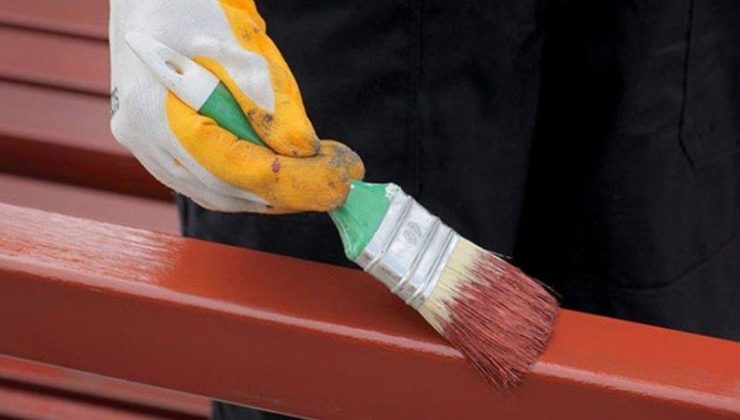
Suitable metal paints protect iron and steel from moisture and oxygen, which trigger rust. Without a sound coating, rain, humidity and airborne pollutants can gradually damage gates, railings, tools, machinery and outdoor fixtures. Corrosion often begins at chipped edges, joints or scratched areas, then spreads beneath a failing finish.
A proper paint system will restrict exposure and allow the surface to resist any wear and tear. It is influenced by the metal involved, the environmental factors and the pre-painting procedures done. The selection of the appropriate primer and topcoat, along with the right application, will lead to an extended lifespan.
How Metal Paints Prevent Rust
Rust develops when iron reacts with oxygen in the presence of moisture. Salt deposits, industrial pollutants and persistent dampness can speed up the process. Paint helps by separating the metal from this exposure, provided the coating forms an unbroken film. A scratch, pinhole or peeling edge can leave a route for water to reach the surface, so even a good product needs proper application and upkeep.
Primer choice also matters. Rust-inhibiting primers contain pigments that slow corrosion, while zinc-rich primers can protect steel through sacrificial action: zinc corrodes in preference to the steel it covers. These products serve different purposes, and neither removes the need to prepare the surface. For best results, use a primer and topcoat that the manufacturer confirms are compatible.
Types of Protective Coatings for Metal
Metal coatings vary in how they handle weather, impact and chemical exposure. Some of the common options are as follows-
- Alkyd or enamel paints are applied to gates, grills, railings and other household items as they offer a hard finish over a suitable primer.
- Epoxy coatings have good adhesive properties and chemical resistance that make them ideal for industrial equipment. However, for outdoor metal applications, an extra UV-resistant coating may be required because sunlight degrades epoxy.
- Polyurethane topcoats are useful where resistance to sunlight, abrasion and weathering is important, provided they are applied over a compatible base.
- Zinc-rich primers are mainly used on steel and provide added corrosion protection beneath a suitable finishing coat.
The best option depends on the substrate and conditions of use. Check the product data sheet rather than assuming every metal paint will work on every surface.
How Paint Improves Metal Surface Durability
A cured coating reduces direct contact with water and slows the surface damage caused by regular handling, friction and minor impacts. On outdoor metalwork, a weather-resistant topcoat can help the finish withstand rain and sunlight. In workshop or industrial applications, resistance to oil, cleaning agents or abrasion may be more important than maintaining gloss.
The layers need to work as a system. Primer supports adhesion and corrosion control. However, additional coats build the protective film. The topcoat faces most of the environmental wear. Applying a coat too thinly may leave weak spots, while recoating too early can interfere with curing. Follow the stated coverage, drying interval and recommended number of coats. A thicker layer is not automatically better if it traps solvent or cures poorly.
Surface Preparation and Application
Paint cannot compensate for a dirty or unstable base. Grease, loose rust and flaking old paint prevent proper adhesion, so preparation should match the metal's condition.
- Wash away dirt and grease with a cleaner approved for the surface, then let the metal dry fully.
- Remove loose rust and failing paint with a wire brush, abrasive paper or suitable mechanical method. Severe corrosion may require professional preparation.
- Clear away dust and inspect seams, welds, corners and fasteners, where moisture can collect.
- Apply the designated primer and then the suggested topcoats. Note the coverage and drying time of the material.
Choose a suitable day for outdoor work. Do not coat damp metal or paint in rain, strong heat or high humidity when the label advises against it. Wear the listed protective equipment and keep the work area ventilated.
Choosing the Right Paint Finish and Caring for Metal Surfaces
Start with the metal and the setting, then choose the finish. Exterior gates and railings need reliable weather resistance.
- Workshop equipment may need protection against abrasion or chemicals.
- Indoor fittings may place greater emphasis on appearance.
- Aluminium and galvanised steel require coatings designed for those surfaces, as a standard steel primer may fail to adhere.
A planned colour combination can help railings, grills, garden furniture and exterior fittings complement nearby walls and trim. Colour should come after technical suitability. The preferred shade will not prevent rust if the primer is incompatible or the film breaks down.
Conclusion
Metal paint slows rust by separating iron or steel from moisture and oxygen, while a suitable primer can strengthen corrosion protection. Long service life depends on choosing a coating for the metal and its surroundings, preparing the surface and following application instructions.
Regular inspection will detect any presence of chips or peeled paint before the damaged area becomes worse. With good repair and maintenance of the painted metal surface, the coated layer will last longer.