
How Can Office Interiors Help to Optimize the Call Centre Efficiency?
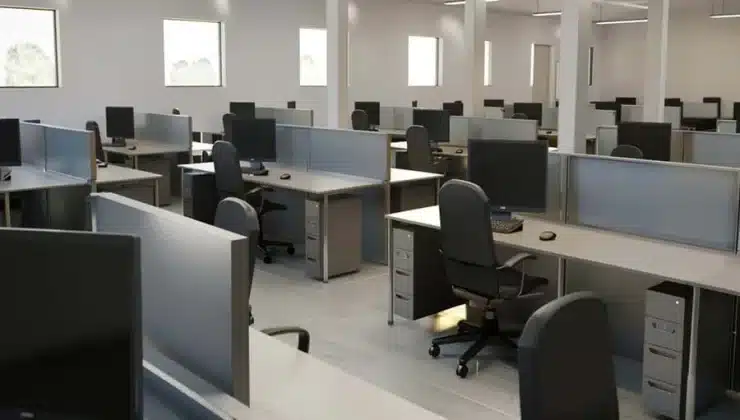
A call centre is a fast paced workplace. Agents talk to customers all day, listen carefully, solve problems, and meet targets. Even small discomforts can affect their performance. This is why office interiors play a big role in call centre efficiency.
Many people think call centre success depends only on technology and training. But the workspace also matters a lot. A well designed interior helps agents stay focused, calm, and productive.
A good call centre interior can
- reduce noise and stress
- improve agent comfort
- support faster call handling
- lower employee fatigue
Office interior design is not about decoration here. It is about performance and efficiency. Let us explore how smart office interiors help optimize call centre efficiency step by step.
Planning The Right Layout For Smooth Call Flow
The layout is the backbone of a call centre. A poor layout causes confusion, noise, and wasted time. A good layout supports smooth call handling and easy supervision.
Agents should be seated in clear rows or clusters based on teams. Supervisors should have clear visibility without disturbing agents. Walkways must be wide and easy to move through.
Many offices designed by office interior designers in Vadodara focus on layouts that reduce unnecessary movement. When agents do not waste time moving around they stay focused on calls. A clear layout also helps in managing sound which is the next important factor.
Using Acoustic Design To Control Noise Levels
Noise is one of the biggest challenges in call centres. Multiple agents speaking at the same time can create echo and distraction. Poor acoustics reduce call quality and agent focus.
Sound absorbing panels carpets and acoustic ceilings help control noise. Desk partitions also reduce sound travel between agents. Walls and ceilings should be designed to absorb rather than reflect sound.
Offices planned as the best office interior in Vadodara often prioritize acoustic planning from the start. When noise levels reduce agents hear customers clearly. This improves call quality and reduces stress which leads naturally to better agent comfort.
Designing Comfortable Workstations For Long Call Hours
Call centre agents sit for long hours. Uncomfortable furniture causes back pain, neck strain, and fatigue. This affects both health and efficiency.
Chairs should support posture. Desks should be at the right height. Screens should be placed at eye level. Enough leg space should be provided. Small details like footrests also help.
Workstations should feel personal but not crowded. When agents feel physically comfortable they stay focused longer. This comfort supports better mental wellbeing which connects to lighting and visual design.
Using Lighting And Colors To Reduce Fatigue
Lighting plays a big role in call centre efficiency. Poor lighting causes eye strain and headaches. Very bright lighting increases stress.
Balanced lighting works best. Soft white lights reduce glare. Task lighting at desks helps agents control brightness. Natural light is helpful but should be controlled with blinds.
Colors also matter. Soft shades like light blue grey and beige help calm the mind. Offices designed by office interior designers in Indore often use calm colors to reduce mental fatigue. A relaxed visual environment helps agents handle calls with patience.
Creating Break Areas To Recharge Agents
Call centre work is mentally demanding. Short breaks help agents reset and perform better. Break areas are not optional spaces. They are part of productivity planning.
Break rooms should be placed away from call floors. Comfortable seating, water stations, and calm lighting help agents relax. Quiet zones help mental recovery.
When agents return from breaks refreshed they handle calls better. Burnout reduces and morale improves. This positive energy supports teamwork and communication across the floor.
Supporting Supervision And Team Communication
Efficient call centres need strong supervision. Interior design should support easy communication between agents and supervisors.
Supervisor desks should be placed strategically. Glass partitions help visibility without noise. Team huddle areas support quick discussions and training.
Clear signage and open sightlines help agents find help quickly. When support is easy, errors reduce and confidence improves. This smooth communication brings all design elements together into one efficient system.
Final Thoughts
Office interiors play a powerful role in optimizing call centre efficiency. From layout and acoustics to comfort lighting break areas and supervision every detail affects performance. A well designed call centre interior reduces stress, improves focus and supports agents throughout long workdays. When the workspace supports people efficiency improves naturally and call centres perform at their best every single day.