
From Day Clothes to Bamboo Baby Pajamas: Making the Bedtime Change Easier
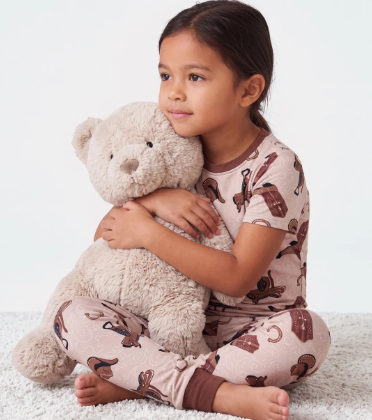
Bedtime can feel surprisingly complicated when a baby or toddler is still active, playing, eating, and moving around shortly before sleep. The change from daytime clothes to sleepwear is often treated as a small part of the routine, but the way it is handled can affect how smoothly the evening moves toward rest. Parents have to think about comfort, temperature, fit, and how easy the clothes are to change when a child is already tired.
A simple clothing routine can remove some of that evening decision-making. Instead of waiting until the last minute to decide what a child should wear, parents can prepare daytime and nighttime clothes according to the activities and temperature expected throughout the day. This makes the transition to sleepwear feel more natural and gives children a familiar signal that the active part of the day is coming to an end.
Start the Evening by Slowing Down the Clothing Routine
The move from daytime clothes to pajamas does not have to happen immediately after dinner or bath time. Many children need a little time to slow down before they are ready for bed. Keeping the clothing change connected to this quieter period can help prevent it from feeling like another rushed task.
Parents can begin by putting away toys, lowering the noise level, and preparing the bedroom before changing clothes. Once the room is ready, changing into sleepwear can become one of several predictable steps rather than a sudden interruption. This approach can be especially useful for toddlers who resist changes when they are deeply involved in play.
Keep Daytime Clothes Practical Until Activities Wind Down
Children may spend the late afternoon moving between different activities. They might play on the floor, have a snack, help with a simple household task, or spend time outside. Changing them into pajamas too early can create unnecessary laundry when sleepwear becomes dirty before bedtime.
It is usually more practical to keep comfortable daytime clothes on until messy or active activities are finished. Once the child is ready to settle down, parents can move directly into the bedtime clothing routine. This also creates a clear difference between clothes intended for daytime movement and clothes associated with sleep.
Choose Day Clothes That Make the Evening Change Simple
The clothing worn during the day can influence how easy the bedtime transition feels. Loose layers, comfortable waistbands, and simple designs are often easier to remove when a tired child is less cooperative. Parents who regularly prepare bamboo baby clothes can also keep a few comfortable daytime options available for different temperatures and activities.
The goal is not to create a complicated clothing system. It is simply to make sure the child is not wearing something difficult to remove when bedtime arrives. A straightforward outfit can save time during the evening and make it easier to move from active play to washing up, changing, and getting ready for sleep.
Prepare the Bedroom Before the Pajama Change
The bedtime clothing change works better when everything else is already in place. A cold bedroom, missing diaper, misplaced blanket, or unfinished bedtime task can interrupt the process and make a tired child restless. Preparing the room first allows the clothing change to happen without unnecessary pauses.
A few simple preparations can make a difference:
- Put the night’s sleepwear somewhere easy to reach before starting the bedtime routine.
- Check that diapers, wipes, or other nighttime essentials are nearby.
- Keep the bedroom at a comfortable temperature for the child’s clothing and bedding.
- Finish noisy activities before changing into sleepwear.
- Keep the next morning’s daytime outfit in an accessible place.
This preparation also helps parents avoid searching through drawers while a child is waiting to get dressed. The less time spent looking for things, the easier it is to maintain a calm pace.
Let Sleepwear Match the Child’s Nighttime Needs
Once daytime activities have finished, sleepwear should be chosen according to the child’s actual sleeping environment. A room that stays warm overnight may call for lighter sleepwear than a cooler room. Children who move around a lot during sleep may also need clothing that allows comfortable movement rather than adding unnecessary layers.
Fit matters as well. Sleepwear should provide enough room for normal movement without becoming so loose that it gets in the way. For younger children, parents may also want to consider how quickly the clothing can be changed during nighttime diaper changes or unexpected wake-ups.
Make Bamboo Baby Pajamas Part of a Predictable Sequence
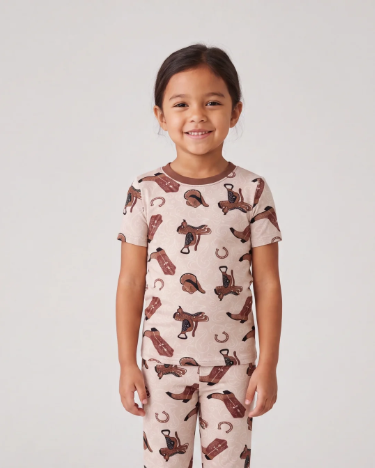
A predictable clothing change can become a useful signal that the day is moving toward sleep. After washing up, brushing teeth, or finishing a quiet activity, changing into bamboo baby pajamas can be one familiar step in the same order each evening.
This does not mean every bedtime has to follow an exact schedule. Children may have different needs from one night to another. The value comes from having a familiar sequence that is easy to recognize. When the same few steps happen in roughly the same order, children can begin to understand what comes next without parents having to explain every part of the routine.
Keep One Pajama Option Ready for Busy Evenings
Some evenings simply do not go according to plan. Dinner may take longer, a bath may happen later than usual, or a child may become tired before the normal bedtime routine begins. Having a ready-to-wear pajama option can prevent these changes from turning into a larger problem.
For evenings when the transition from active clothes to sleepwear needs to happen without much fuss, the Toddler Kids Christmas Halloween Pajamas 3-Piece Bamboo Pajama Set, 2-in-1 Look for 4 Seasons, Snug-Fitting, Brown can fit into a simple bedtime setup. Its three-piece format gives parents more than one way to approach the evening clothing change, which can be useful when temperatures or a child’s comfort needs vary. Rather than treating every piece as part of a fixed outfit, parents can consider the set alongside the child’s room temperature, activity level, and normal bedtime sequence.
The 2-in-1 design also makes the set relevant to the article’s main transition: moving from daytime activity toward rest. A parent can prepare the sleepwear before the evening winds down instead of searching through drawers once the child is already tired. The snug-fitting design is another detail to consider when choosing sleepwear, particularly for parents who want a bedtime option that does not rely on bulky layers. The Christmas and Halloween styling adds a seasonal element, while the brown color keeps the overall look easy to fit into a child’s nighttime wardrobe.
Avoid Making the Clothing Change a Negotiation
Toddlers often want control over what happens during the evening. Clothing can quickly become another point of disagreement if parents present too many choices when the child is already tired. Offering two suitable options can give a child some control without making the decision open-ended.
For example, parents might allow the child to choose between two pajama sets that are both appropriate for the room temperature. This gives the child a small responsibility while keeping the bedtime routine moving. If the child is already overtired, however, fewer choices may be easier for everyone.
Keep Nighttime Changes Easy to Manage
Bedtime clothing should also work when the routine does not go perfectly. A child may spill a drink, need a diaper change, wake during the night, or require a quick clothing change after becoming uncomfortable. Parents can make these situations easier by keeping spare sleepwear in a nearby drawer rather than storing everything in a separate room.
This is particularly helpful for families with babies and toddlers because nighttime changes can happen without much warning. A spare set does not need to be elaborate. It simply needs to be clean, comfortable, and easy to reach when the usual outfit is no longer suitable.
Give Day Clothes a Clear Place After Changing
The bedtime change also creates an opportunity to keep clothing organization under control. Instead of leaving daytime clothes on a chair or floor, parents can immediately decide whether they belong in the laundry basket, back in the drawer, or somewhere ready for another use.
This small habit prevents the bedtime area from becoming cluttered. It also makes the next morning easier because parents can quickly see which clothes are available. For households with several children, separating clean clothing from worn clothing becomes even more useful because it reduces confusion during busy mornings.
Make the Morning Outfit Part of the Evening Setup
Preparing tomorrow’s clothes before bed can make the entire clothing cycle easier to manage. Parents can check the weather, consider the day’s activities, and choose an outfit while the child is already getting ready for sleep. This removes one more decision from the morning.
It also creates a natural connection between nighttime and daytime clothing. Pajamas remain associated with sleep, while the next outfit is already waiting for the return to daytime activities. When both parts of the clothing routine are prepared in advance, the household can move through each transition with less rushing.
Know When the Routine Needs to Change
A clothing routine should be useful, but it does not need to be followed rigidly. Babies grow quickly, toddlers become more active, and seasonal temperatures change. An outfit that worked well a few months ago may no longer be practical as the child grows or the sleeping environment changes.
Parents can periodically check whether pajamas still fit comfortably, whether daytime clothing is suitable for current activities, and whether spare outfits are still the right size. These small checks prevent the bedtime routine from becoming dependent on clothing that no longer works well.
Keep the Change Simple Enough to Repeat Every Night
The easiest bedtime clothing routine is usually the one that does not require much thought. Finish active activities, prepare the bedroom, choose suitable sleepwear, change the child, and move into the quieter part of the evening. There is no need to add unnecessary steps simply because they sound useful in theory.
When daytime clothes and sleepwear each have a clear purpose, the transition becomes easier for both parents and children. Comfortable daytime options can handle play and everyday activities, while suitable pajamas can mark the shift toward rest. Over time, this simple separation can make bedtime feel more organized without turning it into a strict or complicated schedule.