
Fat Tire E-Bikes: Conquering Sand, Snow, and Rough Terrain
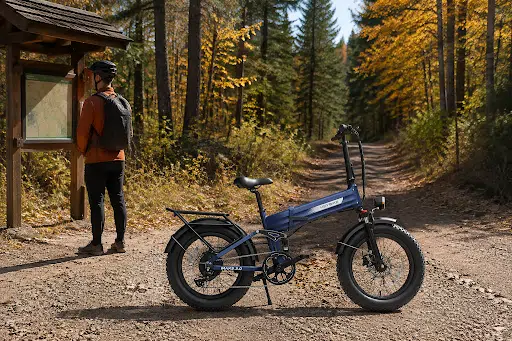
For decades, cycling was bound by the limitations of narrow tires and smooth pavement. If you encountered loose gravel, deep sand, muddy trails, or winter snow, traditional bicycles quickly became unridable, forcing cyclists to dismount and push.
The arrival of fat tire electric bikes has completely rewritten that rulebook. Equipped with oversized, high-volume tires and powered by robust electric motors, fat tire e-bikes have transformed all-terrain adventure. They make previously impassable landscapes accessible to everyday riders.
Whether you are looking to explore winter wonderlands, cruise along sandy coastlines, or tackle rocky mountain tracks, here is how fat tire e-bikes conquer the roughest terrain on Earth.
1. The Physics of Fat Tires: How Extra Width Creates Superior Traction
The secret to a fat tire e-bike’s incredible capability lies in its tire design. Typically measuring between 3.5 to 5 inches in width, these massive tires are inflated to much lower pressures than standard bicycle tires (often between 8 to 20 PSI).
Lower tire pressure creates a significantly larger contact patch with the ground. Instead of cutting down into soft surfaces like sand or snow—which causes standard tires to sink and get stuck—a fat tire floats over the top of loose terrain.
Furthermore, the expansive rubber volume acts as a natural suspension system, absorbing bumps, roots, and rocks before they reach the rider’s frame or joints. This combination of floatation, traction, and shock absorption forms an unbeatable all-terrain package.
2. Riding on Sand: Cruising Coastal Beaches with Ease
Riding a conventional bicycle on wet beach sand or dry dunes is virtually impossible; the wheels immediately dig in, bringing forward momentum to a halt.
Fat tire e-bikes turn beaches into expansive highways. The wide footprint distributes the heavy combined weight of the rider and the e-bike evenly across the sand, allowing you to float over shifting granules without losing traction. Paired with a high-torque electric motor, riders can effortlessly cruise along ocean shorelines or explore coastal dunes.
For outdoor enthusiasts planning beach adventures, exploring a electric bike reveals robust fat-tire models engineered specifically to handle coastal sand and saltwater environments.
3. Conquering Winter Snow: Turning Cold Months into Riding Season
In many parts of North America, winter weather traditionally meant storing bicycles in the garage until spring thaw. Fat tire e-bikes have transformed winter into one of the most exciting seasons for cycling.
Packed snow, slush, and light powder are easily managed by wide, aggressive tire treads that grip slippery surfaces where standard tires slip and slide. Combined with the steady power delivery of an electric motor, winter commuting and snow-trail exploring become exhilarating rather than intimidating.
- Pro Tip for Winter Riding: Batteries drain faster in freezing temperatures. Storing your battery indoors at room temperature until right before your ride helps preserve optimal range and performance in cold weather.
4. Taming Rough Trails, Gravel, and Rocky Paths
Beyond sand and snow, fat tire e-bikes excel on rugged off-road terrain. Whether you are navigating loose forest gravel, climbing rocky dirt tracks, or descending uneven fire roads, the extra cushioning provided by fat tires instills immense confidence.
Traditional mountain bikes require precise technical steering to pick your way around obstacles. Fat tire e-bikes roll right over minor rocks, tree roots, and ruts with stability and poise. When you couple this mechanical stability with reliable manufacturing from brands like Heybike, riders get an exceptionally secure, planted ride across unpredictable backcountry trails.
5. Important Considerations Before Riding All-Terrain
While fat tire e-bikes are extraordinarily capable, riding across extreme terrain requires proper preparation and respect for your equipment:
- Monitor Tire Pressure: Adjust your tire pressure depending on where you are riding. Lower pressure (around 10 PSI) provides maximum floatation on sand and snow, while higher pressure (around 20 PSI) is better for hardpack pavement and efficiency.
- Expect Lower Range: Pushing through deep sand, mud, or thick snow requires significantly more motor power, which drains the battery faster than cruising on smooth asphalt. Plan your routes accordingly.
- Post-Ride Cleanup: Riding through mud, snow, and sand means cleaning your bike afterward is essential. Rinse off corrosive road salt or grit, wipe down the chain, and re-lubricate moving parts to ensure longevity.
Final Thoughts
Fat tire electric bikes have unlocked a whole new dimension of outdoor exploration. By replacing limitations with traction and stability, they empower riders to explore beaches, snow trails, and rugged backcountry paths that were once completely off-limits.
If you are ready to expand your riding boundaries and conquer any terrain year-round, a fat tire e-bike is the ultimate machine for the job.