
Electric Dirt Bike Tires: How Tread and Terrain Affect the Ride
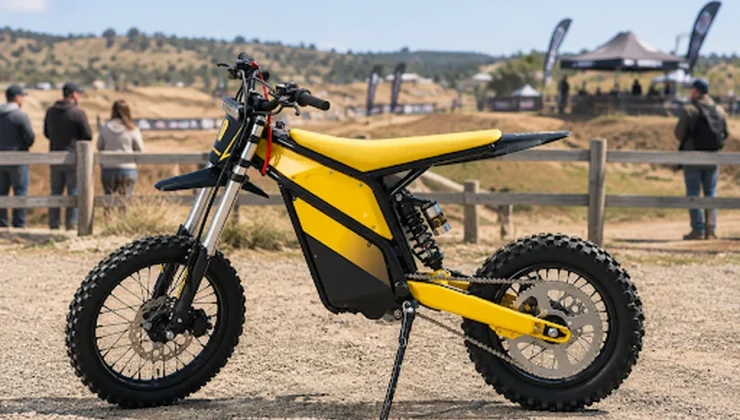
A tire is the part of an electric dirt bike that turns motor output and braking effort into contact with the ground. The same machine can feel composed on one surface and unsettled on another without any change to its motor. Often, the difference begins where the tread meets the terrain.
Choosing tires is not simply a matter of finding the deepest knobs. Surface type, tire construction, approved sizing, condition, and pressure all matter. Understanding those factors helps riders make sensible choices without expecting one tire to perform equally well everywhere.
Start with the ground you use most
Soft soil, hard-packed dirt, sand, and loose gravel present different challenges. Tread intended for soft ground commonly uses spacing and knob shapes that help the tire engage the surface and shed material. Harder surfaces can call for a different balance of contact, support, and wear resistance.
Mixed-terrain tires involve compromises. They can be useful when a route changes character, but the term does not mean identical grip on every surface. Read the tire manufacturer’s intended application rather than judging by an aggressive appearance.
Think about the majority of your riding, not a single dramatic section. A tire chosen for occasional mud may be less appropriate for the firm ground used during most sessions. Conversely, tread that works comfortably on hard-packed dirt may struggle to clear sticky material when conditions become wet.
Front and rear tires have different jobs
The front tire contributes strongly to steering and the feel of the bike entering a turn. The rear tire must transmit driving force as well as contribute to braking and stability. Tire makers may offer different patterns or constructions for those roles.
Follow front and rear designations, rotation directions, and fitment instructions. A tire that physically fits a rim is not necessarily suitable for that wheel position or the machine’s requirements. Check the specifications before purchase, especially when buying from a listing that groups several sizes together.
Matched does not always mean identical. Some approved setups use different front and rear dimensions or patterns. The important question is compatibility and intended performance, not whether both tires look the same in a photograph.
Size changes can have wider consequences
Width, outside diameter, and clearance affect more than appearance. A larger tire may interfere with the swingarm, suspension, fender, or other components. It may also change handling or the way the bike’s systems interpret wheel rotation.
Use the manufacturer’s approved sizes and rim requirements. Do not assume that a wider tire guarantees more traction. The shape of the contact area, construction, ground conditions, and pressure are all involved, and an unsuitable fit can create problems that extra width does not solve.
Confirm whether the wheel uses a tube or an approved tubeless arrangement. A tubeless-marked tire does not automatically make the existing wheel tubeless. Installation should follow the requirements of the complete wheel-and-tire system, with professional help when the rider lacks the tools or experience.
Pressure needs a specific reference
There is no single correct pressure for every electric dirt bike. Follow the bike and tire manufacturer’s guidance for the setup, load, and intended use. Measure with a suitable gauge rather than relying on how firm the sidewall feels when squeezed.
Riders comparing the V1 through Heybike Sports can check its official fitment information before looking for replacements. Starting with the specified wheel and tire arrangement is more useful than applying a pressure recommendation copied from a very different machine.
Pressure that is too low for the situation can increase the chance of rim damage or other tire problems. Excessively high pressure may also affect how the tire follows uneven ground. Adjustments should remain within appropriate guidance, not become an experiment based on a social-media shortcut.
Wear is about more than tread depth
Look for damaged knobs, cracks, exposed material, punctures, and anything unusual around the bead. A tire may still show substantial tread yet need replacement because of damage or deterioration. Inspect both sides and rotate the wheel safely to see the full circumference.
When selecting an electric dirt bike, ask about replacement-tire availability as well as the tires included with the bike. Being able to obtain suitable replacements locally or through a dependable supplier makes ongoing ownership easier.
After fitting a tire, confirm that the wheel, brake components, and related hardware have been installed correctly. Check pressure again as recommended and begin cautiously. Fresh tread cannot compensate for an incorrect installation or a loose component.
Learn what the tires are telling you
If traction changes unexpectedly, consider the surface before blaming the machine. Dust over hard ground, damp roots, and loose stones can alter grip within a short distance. A capable tire still has limits, and smooth inputs help the rider work within them.
Keep simple notes about the conditions in which a tire performs well and where it feels less suitable. Those observations make the next purchase more informed. The best tire choice is a compatible setup that supports the riding you actually do, not necessarily the most dramatic tread available.