
DIY Boiler Repairs: What’s Safe and What’s Not
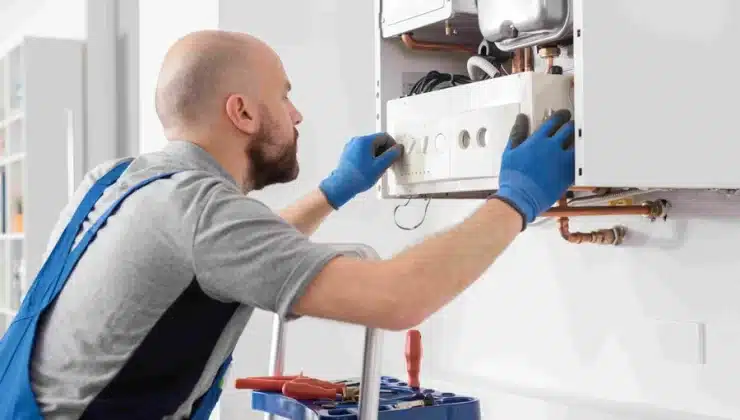
Keeping your boiler in good shape is super important if you want it to last and work well. Trying to fix it yourself can look like a good way to save some cash, but it might not always be safe.
You need to find a sweet spot between doing some easy fixes on your own and knowing when things get risky. It’s perfectly fine to handle small stuff like swapping out a pressure relief valve or changing the thermostat.
But if things get tricky, it’s best to call a pro. Knowing what you can handle at home helps you make better choices, keeping both you and your boiler safe. Plus, you’ll know when it’s time to bring in the experts.
When DIY Boiler Repairs Are Acceptable
Fixing small boiler problems at home can be pretty satisfying and save you some money. Simple stuff like swapping out a pressure valve or thermostat isn’t too hard. These parts are usually easy to get to and come with step-by-step instructions.
Make sure to read them carefully, so you don’t mess up the warranty. Before you start, gather tools like wrenches and screwdrivers; it’ll make the job easier. Taking notes or photos can help next time you do repairs.
Not only do you feel accomplished after a fix, but you also cut down on paying the pros. Just remember, safety first: turn off the boiler and let it cool before you dive in.
Online videos can help a lot, turning tough jobs into easy ones. Still, if you run into something tricky, it might be best to call in an expert.
Common Boiler Issues That Require Professionals
You can handle some small boiler problems yourself, but for big ones, it’s best to call in the pros. If you ever suspect a gas leak, don’t mess around—it could explode and seriously hurt people.
Get out of there and call the emergency services or a Gas Safe engineer immediately. When it comes to electrical stuff, boilers are tricky. They can shock you or get even worse if you try to fix them without knowing what you’re doing.
Leave it to the experts. Also, if something inside the boiler, like the heat exchanger, breaks, it’s not a DIY job. These parts are complicated and need a skilled touch.
Keep a list of local boiler repair folks handy so you can get help fast. Skipping on these repairs isn’t just risky—it can make things cost more in the long run.
Safety Precautions Before Starting Any DIY Work
When you’re fixing your boiler yourself, staying safe is super important. First, make sure to turn off and unplug the boiler to avoid getting shocked. Wear gloves and goggles to keep yourself protected.
It’s also a good idea to open a window or turn on a fan, so you don’t breathe in any nasty fumes. Keep a fire extinguisher nearby, just in case, especially with gas stuff. Check out the boiler’s manual for safety tips too.
Having a first aid kit close by is smart for little mishaps. And hey, if something feels too tricky, maybe call a pro. Safety should always be your top priority. Taking these steps can really make a difference in keeping things safe and getting the job done right.
Tools and Materials Needed for DIY Boiler Repairs
If you’re fixing your boiler yourself, having the right tools really matters. You’ll need stuff like wrenches, screwdrivers, and multimeters for most repair jobs. Good quality tools are a smart buy because they keep you safe and make the job easier.
It’s also handy to have spare parts like seals and filters around for quick swaps, so your boiler keeps working well. A good manual that matches your boiler is super helpful too, with instructions and tips.
Keep your workspace tidy to avoid accidents and get the job done faster. You can find great deals online for tools and parts, but local hardware shops are great for grabbing things quickly. Checking these out can save you time and cash, making your DIY projects go smoother.
Cost-Benefit Analysis of DIY vs. Professional Repairs
Thinking about fixing your boiler yourself or hiring a pro? There’s a bit to weigh up. Doing small fixes, like swapping out a thermostat, can save you some cash and teach you a thing or two.
Keeping on top of these little jobs can make your boiler run smoother and might cut down your energy bills. But if you mess up, you could make things worse and spend even more money.
If you’re not sure you can handle it, maybe save up to hire a professional. They’ll make sure everything’s fixed safely and correctly. At the end of the day, it’s all about being safe, even if it means spending a bit more to get things done right.
Legal and Warranty Considerations for Boiler Repairs
Before you dive into tinkering with your boiler, it’s crucial to think about how it might impact your warranty. Picture this: you decide to fix a minor issue yourself, only to find out later that you’ve voided the warranty.
Suddenly, any major repairs fall on your shoulders, and your wallet feels the pinch. That’s why it’s smart to have a good read of your warranty details.
You see, manufacturers often have specific guidelines about what you can and can’t do under the warranty. It’s like reading the small print before signing a contract—pretty boring, but it could save you a lot of trouble down the line.
If your boiler has a problem, especially anything related to gas, it’s best to call in a professional. Not only does this keep you on the right side of the law—since gas-related tasks have strict legal requirements—but it also ensures your safety.
A mistake with gas is no joke, and it’s best left to those who know their way around it.
And here’s a little tip: keep a detailed record of any work done by professionals on your boiler. This isn’t just about being organized; it can make life much easier if you ever need to make a claim.
It’s like having a diary for your boiler, showing all its ups and downs. Plus, checking your boiler manual can provide specific warranty details, helping you understand what’s covered and what’s not.
In the end, keeping good records and knowing when to call in the experts will help you maintain your warranty and stay safe.
So, next time your boiler acts up, remember to check the warranty first and don’t hesitate to seek professional help. Your future self—and your boiler—will thank you!
Conclusion
Balancing DIY boiler fixes and knowing when to call a pro is key to keeping safe and saving money. Fixing small issues yourself can save cash and feel rewarding, but it’s crucial to know when to bring in an expert to prevent bigger problems.
Regular checks and following safety rules will keep your boiler running smoothly. Ensure you’ve got the right tools and knowledge to tackle what you can. Knowing your limits and getting help when needed will keep your boiler in top shape and give you peace of mind.
So, always put safety first and be smart about your repair choices. Ready to keep your boiler running smoothly?