
Comprehensive Guide to Caring for Koi Betta Fish
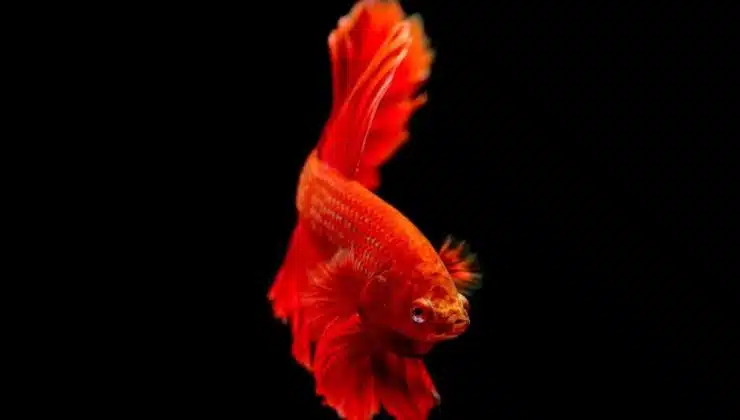
Koi Betta fish are extraordinary creatures that captivate with their stunning colors and playful behavior. Their unique beauty and character make them a favorite among fish enthusiasts. Understanding how to properly care for them is essential to help them thrive. For an enriching learning experience, the Koi Betta fish care guide provides in-depth information and essential tips.
Understanding the Habitat Requirements
Creating a suitable environment for Koi Betta fish is foundational to their health. They require a tank of at least 5 gallons, as this space properly accommodates their size and provides room to swim. Proper filtration is essential; it ensures the water quality remains optimal, which is critical for the fish’s well-being.
Lighting should be moderate, as excessive light can cause stress. Additionally, the tank needs to be equipped with a heater to maintain a consistent temperature between 24-27°C. Temperature fluctuations can lead to stress and illness. Always measure water parameters, maintaining a pH between 6.5 and 7.5, as Koi Betta fish thrive in slightly acidic to neutral water.
Feeding Your Koi Betta Fish
Nutritional balance is crucial when it comes to feeding Koi Betta fish. Their diet should primarily consist of high-quality Betta pellets or flakes, supplemented with live or frozen foods such as brine shrimp, daphnia, or bloodworms. These supplements mimic their natural diet and provide essential proteins and nutrients.
Avoid overfeeding, as uneaten food can pollute the water, affecting the fish’s health. Feeding once or twice a day, offering only as much food as they can consume in a couple of minutes, is generally advisable.
Social Behavior and Compatibility
Koi Betta fish are famously territorial. Males, in particular, should not be housed together, as they are prone to aggression. If you wish to keep multiple fish, ensure each has enough space and plenty of hiding spots within the aquarium to establish its territory.
Interestingly, Koi Betta females can often live together in carefully maintained sororities, but this type of setup requires a larger tank and close monitoring to ensure harmony. Suitable tank mates include peaceful species that share similar water requirements, such as certain tetras or rasboras. Avoid fin-nipping species that may agitate or harm the Betta.
Health and Wellness
Regular monitoring of Koi Betta fish is essential for early disease detection. Signs of potential health issues include changes in appetite, visible spots or wounds, clamped fins, or erratic swimming. Common Betta ailments include ich, fungal infections, and fin rot. Practicing good tank maintenance, such as regular water changes and observing feeding habits, can prevent these conditions.
Treat any signs of illness promptly using appropriate aquarium medication, quarantine affected fish when necessary, and consult aquatic experts if symptoms persist.
Enrichment and Stimulation
Physical and mental enrichment is beneficial for the well-being of Koi Betta fish. Introducing a variety of live plants, caves, and other structures can provide stimulating environments that encourage natural behaviors like exploring and hiding. However, ensure all decorations are smooth-surfaced to prevent tearing their delicate fins.
You can also use floating toys or mirrors ahead of feeding times to stimulate their hunting instincts, promoting a more active lifestyle. Still, it’s important to avoid prolonged use of mirrors, as they could cause stress.
Breeding Considerations
Breeding Koi Betta fish is an intricate process requiring careful planning and a controlled environment. Both male and female fish need to be in optimal health, and you should gradually acclimate them to each other in a neutral space over several weeks. When they are comfortable, the pair can be introduced into a breeding tank, where they will engage in courtship behaviors.

The male typically creates a bubble nest, inviting the female to mate. After spawning, the female should be carefully removed, as the male will tend to the eggs until hatching. Raising the fry requires meticulous attention and a specialized diet to ensure proper growth.
Frequent Misconceptions
There are several frequent misconceptions regarding Koi Betta fish care. One such myth is that they can coexist peacefully in small bowls or unheated conditions, which is detrimental to their health and longevity. Acquiring knowledge and understanding their needs will allow you to provide a suitable living environment.
It is also a misconception that Koi Betta fish do not require interaction. On the contrary, they can be quite interactive and responsive to their caretakers, often recognizing familiar faces and responding to stimuli and feeding schedules.
Maintenance and Routine Care
Regular maintenance of the Betta’s environment is a cornerstone of their care. Weekly water changes, replacing about 20-25% of the water, can significantly improve water quality. Always dechlorinate new water before adding it to the tank, maintaining consistent temperature and parameters.
Inspect filters regularly to ensure they are functioning effectively and clear of debris. Clean tank decorations and substrate to prevent algae build-up and other undesirable contaminants.
This comprehensive guide provides the essential information needed to care for these beautiful creatures. With an appropriate environment, balanced diet, and attentive care, Koi Betta fish can lead fulfilling and healthy lives within your aquarium.


