
Breast Augmentation 101: Everything You Need to Know Before Surgery

The idea sits there for months. Sometimes years. A woman saves money. She reads reviews. She stares at before and after photos. Eventually she decides. This is the year. This is the moment. Then the questions hit. What type of implant works best? How long does recovery take? What hurts the most?
The information online feels overwhelming. Contradictory. Scary. A clear guide helps calm the nerves. For anyone researching the best breast augmentation Toronto has to offer, this primer covers the absolute basics. No fluff. Just what a first-timer needs to know.
The Implant Decision
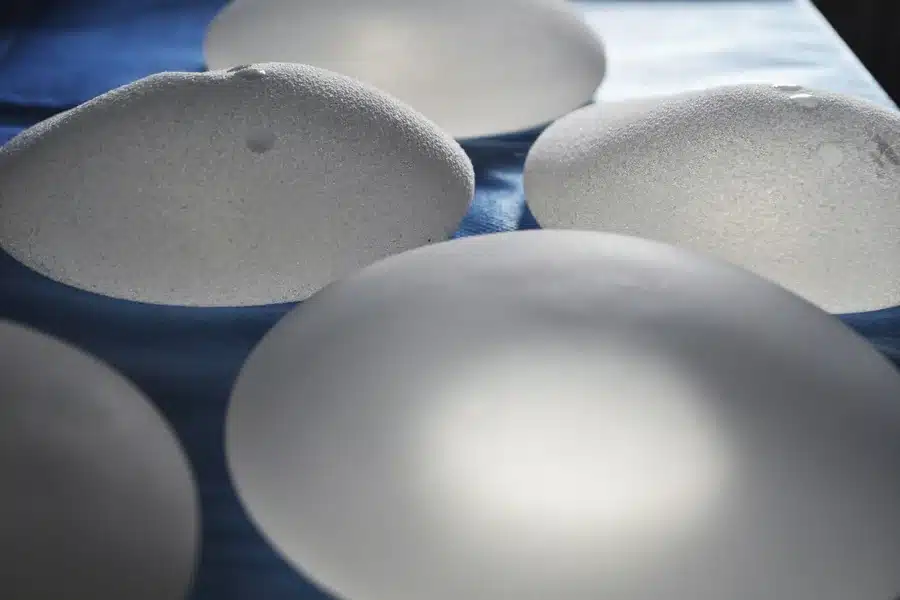
Two main types exist. Saline and silicone. Saline implants contain salt water. They feel a bit less natural. They leave smaller scars. A leak means the breast deflates visibly. The body absorbs the fluid safely.
Silicone implants contain a thick gel. They feel almost like real breast tissue. A leak stays silent often. Regular MRIs catch problems early. Silicone costs more. Most women choose silicone for the natural feel. The choice depends on budget and comfort level.
The Size Question
Size causes the most anxiety. Too big looks fake. Too small feels like a waste. Surgeons help with this decision. They offer sizers to try on. Little plastic bags that mimic different volumes. A woman wears them inside a sports bra. She looks in the mirror. She moves around. She tests different sizes under clothes.
Bring a trusted friend. Bring photos of dream results. Remember that width matters more than volume. A wide chest needs a wider implant. A narrow chest needs a narrower one. The surgeon measures everything.
The Incision Locations
The implant needs a way inside. Three main approaches exist. Under the breast crease leaves a small scar. The scar hides in the natural fold. Most surgeons prefer this view. Around the areola offers another option. The scar blends with darker skin. This approach risks nipple sensation changes.
Through the armpit leaves no chest scars. The cut hides in the underarm. Recovery differs for each choice. The surgeon explains trade-offs. The final decision is personal.
The Placement Options
Implants sit in one of two positions. Above the chest muscle means faster recovery. Less pain initially. But rippling shows more often. Mammograms become easier. Below the muscle means longer recovery. More discomfort for the first weeks.
The results look more natural. Rippling hides better. Most surgeons recommend below the muscle. The natural appearance wins. The recovery pain fades. The results last for years.
The Recovery Timeline
The first three days feel rough. The chest is tight. The arms feel weak. Sleeping happens propped on pillows. A surgical bra stays on constantly. Pain medication helps a lot. By day seven, things improve. A woman showers carefully. She moves around the house slowly. By week three, normal life resumes almost. Light activity returns. No heavy lifting yet.
By week six, exercise gets cleared. The final shape reveals itself across months. Swelling takes a full year to disappear completely. Patience becomes the best medicine.
The Realistic Results
Surgery enhances what exists. It does not create a miracle. A woman with very little natural tissue cannot hide a large implant. The edges might show. The skin might ripple. A woman with sagging breasts might need a lift alongside augmentation. Implants alone cannot fix significant droop.
A good surgeon manages expectations early. They show before and after photos of similar patients. They explain limitations honestly. The best results happen when reality meets expectation.
The Cost Reality
Money matters here. Breast augmentation costs between six thousand and twelve thousand dollars in Canada. The price includes the surgeon’s fee. The anesthesia. The facility. The implants themselves. Cheap surgery exists for a reason. Low prices mean corners cut.
A board-certified surgeon charges more. That fee buys safety. It buys experience. It buys peace of mind. Financing options help spread payments. Medical credit cards offer plans. Saving up over a year works too. Do not rush the financial piece.
The Mental Preparation
The body changes. The mind needs time to catch up. A woman looks in the mirror after surgery. She sees someone new. That someone takes getting used to. Old habits of hiding might linger. Old fears of tight clothes might remain. Then one day everything shifts.
She reaches for a fitted shirt without thinking. She books a vacation without anxiety. She poses for a photo without dread. The confidence arrives quietly. It feels like coming home. Like recognizing a reflection again. The surgery takes a few hours. The healing takes a few months. The joy lasts for years. That is the real bottom line.


