
Artists & Creators: Why Image to Video AI Will Be Your New Go-To Tool
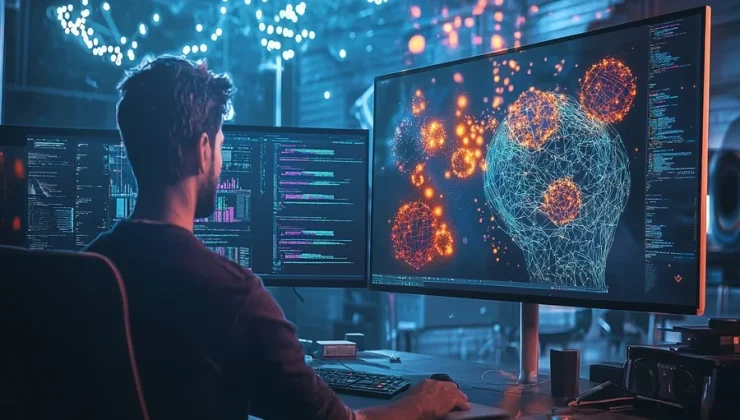
In the ever-evolving world of digital creativity, one thing is true: images rule. But static images, no matter how evocative, now have to compete with motion. Social media loves video, consumers crave more engagement, and creators are constantly under the pressure to conform.
Image to Video AI—a next-generation technology transforming static images into moving moments of life, animating paintings, photographs, product shots, and so much more. For designers, illustrators, creators, marketers, and content creators, the technology is a game-changing innovation that harmonizes creativity and automation.
So what is Image-to-Video AI, exactly, and why is your favorite creator’s new best friend? Take a look.
What Is Image-to-Video AI
Image-to-Video AI software accepts a static image as input and uses machine learning to produce short videos with motion, transitions, and even movie storytelling norms. They scan visual parameters such as depth, lighting, composition of objects, and subject—and then mimic realistic or stylized animation.
This might involve, depending on the software:
- Adding camera movement (zoom, pan, rotate)
- Animating skies, backgrounds, or hair motion
- Anonymizing scene transitions
- Animate portraits with expressions and blinking
- Turn static images into social media looping short video clips
One can now animate concept art, product mockups, photography, and portraits without touching a video editor through software like Deevid AI, Kaiber, Runway, and Pika.
Why Creators Love It: Key Benefits
1. No Video Editing Skills Needed
One of the biggest strengths of Image-to-Video AI is that it brings down the barrier to entry for motion design. Designers who used to create static images alone now create finger-click stop-scrolling videos.
You don’t need to be a Premiere Pro, After Effects, or keyframe animation master. Everything from camera simulation, motion effect, to timing is handled by the AI using your input and style guidance.
2. Faster Content Creation
Solo designers and artists are short on time and have several projects at hand. Such AI Video Generator can convert a single static image into an animated, high-quality video within under a minute. This means creators can show more quick iterations to customers, start fresh with new content series, or try out different visual styles on social media without burning themselves out.
3. Enhanced Social Media Performance
Whatever it is—TikTok, Instagram Reels, or YouTube Shorts—video outweighs static content on every major platform. With image-to-video AI, you can take illustrations, digital paintings, or photographs and turn them into short videos that garner more impressions, better engagement, and broader visibility.
This is especially powerful for artists wanting to build a personal brand or artists selling prints and digital goods online. Motion sells.
4. Artistic Enlargement for Illustrators & Photographers
For illustrators, there are no limits: bring your character designs to life, bring your scenes to life, or redefine weather and lighting effects in static environments.
Photographers can capture a landscape photo and turn it into a slow-motion cloud movement video. A fashion portrait can be reimagined as a runway setting. The capacity to reinvent one image in various dynamic forms unleashes new doors in storytelling.
5. Cost-Effective for Small Studios and Indie Creators
Motion designers or animators are an expensive hire—especially for smaller budgets. Image-to-Video AI solutions give you a cost-effective solution that is scalable and often a subscription-based model. Creators pay a smaller monthly charge and receive unlimited conversions.
Solo creators or small boutique agencies find this levels the playing field and makes you as good as high-budget campaigns.
Use Cases Among Creators
Following are some examples of how different types of creators are using Image-to-Video AI solutions in real workflows:
Digital Artists: Redesign cover art, character reveals, or fantasy realms into breath taking pieces of work for Instagram and Behance portfolios.
- Fashion Designers: Translate sketches or lookbook images into vibrant visuals for runway practice or TikTok ads.
- E-Commerce Creators: Design product photos into living photos for Shopify or Etsy stores to generate click-throughs.
- Photographers: Add motion effects for high-end slideshow reels or wedding teasers.
- YouTubers and Streamers: Use AI to create unique video intros, transitions, or animated backgrounds based on artwork or branding.
- NFT Creators: Convert static NFTs into dynamic loops or teaser videos that enhance perceived value and shareability.
Innovative Ways to Maximize the Use of Image-to-Video AI
If you want your AI-generated videos to be better than good enough, these innovative tips are what you need:
- Choose high-resolution input images. The resolution and lighting must be high in order for the video to be realistic.
- Think in layers. Use foreground, middle ground, and background compositions to create motion depth.
- Add style prompts for a specific style. Most tools allow you to add guiding text (e.g., “cyberpunk style,” “soft light,” “slow zoom-in”).
- Blend multiple outputs. Blend clips or loops from different tools for a more customized outcome.
- Optimize for platform. Vertical for TikTok, square for Instagram, horizontal for YouTube.
The Future of Visual Creation is Hybrid
Image-to-Video AI is not coming to replace artists but to free them. It’s a creative enhancer: a device that does its best to augment what you’re already creating visually, giving you more avenue to express yourself in terms of format and more avenue to connect with your audience.
As AI Video Generator models improve, we’ll likely see deeper personalization, real-time editing, and greater control over motion details. For now, the best thing creators can do is experiment, explore, and embrace this new layer of expression.
Final Thoughts
In 2025, standing out means staying ahead. For creators, that means turning still into motion, static into story. Image-to-Video AI is not just a tech trend—it’s a creative revolution.
So if you’re a visual artist, content creator, or brand builder, this might just be your new favorite tool.