AI Dubbing: How Smart Voice Technology Is Transforming Global Content
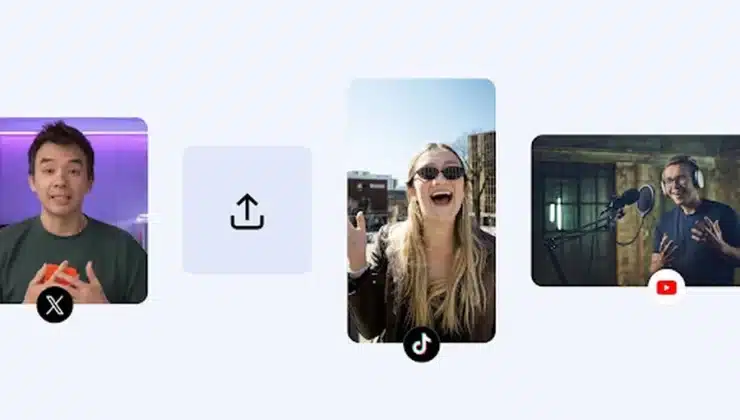
Imagine creating one video and instantly making it understandable to audiences across the world—without hiring voice actors, booking studios, or waiting weeks for post-production. That’s no longer a future vision. It’s happening right now through AI dubbing.
With the rapid growth of video content, podcasts, e-learning, and social media, creators and businesses are under pressure to reach global audiences faster than ever. AI dubbing has emerged as a powerful solution, helping brands localize content efficiently while maintaining quality and emotional impact.
In this guide, we’ll explore what AI dubbing really is, how it works, where it shines, and how you can use it smartly to grow your reach—without sounding robotic or losing authenticity.
What Is AI Dubbing?
AI dubbing is the process of using artificial intelligence to translate and replace spoken audio in a video or audio file with another language—while preserving tone, timing, and natural speech patterns. Advanced tools like an AI Audio Translator make this possible by accurately converting speech from one language to another without losing the original intent or emotional feel.
Unlike traditional dubbing, which typically requires human translators, professional voice actors, recording studios, and lengthy coordination, AI dubbing automates most of this workflow. The result is a much faster turnaround, significantly lower costs, and the ability to scale multilingual content effortlessly. For example, a marketing video recorded in English can be dubbed into Spanish, French, or Arabic within minutes—often with surprisingly human-like voices that feel natural to global audiences.
How AI Dubbing Actually Works (Behind the Scenes)
AI dubbing isn’t just about translation. It’s a combination of several advanced technologies working together:
1. Speech Recognition
The AI first transcribes the original audio, accurately detecting words, pauses, and context.
2. Language Translation
Next, the system translates the script into the target language while preserving meaning—not just word-for-word accuracy.
3. Voice Synthesis
Using neural text-to-speech models, the AI generates natural-sounding voiceovers that match pacing, tone, and emotion.
4. Audio Syncing
Finally, the dubbed audio is synced with the original video, ensuring lip movements and timing feel natural.
This entire process can happen in minutes instead of days.
Why AI Dubbing Is Gaining Massive Popularity
The rise of AI dubbing isn’t accidental. It solves real problems for modern content creators.
Faster Global Reach
If you’re targeting international markets, AI dubbing allows you to publish multilingual content almost instantly.
Cost-Effective Localization
Traditional dubbing can cost hundreds or thousands of dollars per language. AI drastically reduces this expense.
Consistent Brand Voice
AI voices remain consistent across all videos, avoiding variations that come with multiple human voice actors.
Scalable for High-Volume Content
Whether you’re dubbing 5 videos or 500, AI handles scale effortlessly.
Real-World Use Cases of AI Dubbing
AI dubbing isn’t limited to one industry. Here’s how it’s being used across different fields:
E-Learning & Online Courses
Educators can localize courses for global students without re-recording lectures. This is especially valuable for platforms offering self-paced learning.
Marketing & Advertising
Brands can launch the same campaign in multiple regions, adjusting language without recreating videos.
YouTube & Content Creators
Creators grow international subscribers by dubbing content into popular languages, increasing watch time and engagement.
Corporate Training
Multinational companies use AI dubbing to standardize internal training videos across regions.
AI Dubbing vs Traditional Dubbing: A Quick Comparison
| Feature | Traditional Dubbing | AI Dubbing |
| Cost | High | Affordable |
| Time | Days or weeks | Minutes |
| Scalability | Limited | Highly scalable |
| Consistency | Varies | Consistent |
| Accessibility | Studio-dependent | Cloud-based |
While human dubbing still has value for cinematic projects, AI dubbing dominates when speed, scale, and budget matter.
Tools That Make AI Dubbing Easy
If you’re new to this space, choosing the right tool is key. Modern platforms simplify the entire process—even for non-technical users.
For audio-focused projects, an AI Audio Translator like AI Audio Translator helps convert spoken content into multiple languages while maintaining clarity and natural flow.
For video creators who want an all-in-one solution, a Free AI Video Dubbing Tool offers an easy way to upload videos and generate dubbed versions quickly—without complex setup.
These tools are especially useful for creators testing international markets before investing heavily.
Actionable Tips to Get the Best Results from AI Dubbing
AI dubbing is powerful, but using it correctly makes all the difference. Here are some practical tips:
1. Start with Clear Audio
The better the original recording, the more accurate the dubbing. Avoid background noise and overlapping speech.
2. Choose the Right Language Variants
Spanish for Spain and Spanish for Latin America can differ significantly. Always select region-appropriate languages.
3. Review Before Publishing
Even the best AI can occasionally miss context. A quick review ensures professionalism.
4. Match Content Style with Voice Tone
Educational content works best with calm, clear voices, while marketing videos benefit from expressive tones.
5. Test Audience Response
Try dubbing one or two videos first and analyze engagement before scaling up.
Common Myths About AI Dubbing (Debunked)
“AI voices sound robotic.”
Modern neural voices are far more natural than earlier generations—often indistinguishable from humans.
“It replaces human creativity.”
AI dubbing supports creativity by removing technical barriers, not replacing storytelling.
“It’s only for big companies.”
With affordable and free tools available, even solo creators can benefit.
The Future of AI Dubbing
AI dubbing is evolving fast. Future developments are expected to include:
- Better emotional expression
- Improved lip-sync accuracy
- Real-time dubbing for live streams
- Custom brand voices
As global content consumption continues to grow, AI dubbing will become a standard—not a luxury.
Final Thoughts: Is AI Dubbing Worth It?
Absolutely. If your goal is to expand reach, save time, and communicate across languages without friction, AI dubbing is one of the smartest tools you can adopt today.
It empowers creators, educators, and businesses to think globally from day one—without massive budgets or complex workflows.
Whether you’re experimenting with multilingual audio or scaling video content worldwide, AI dubbing opens doors that were once closed due to cost and complexity.
And the best part? You don’t need to be a tech expert to get started. With the right tools and a thoughtful approach, your content can truly speak every language.