
Latest Cancer Treatment Technologies Used in Delhi Hospitals
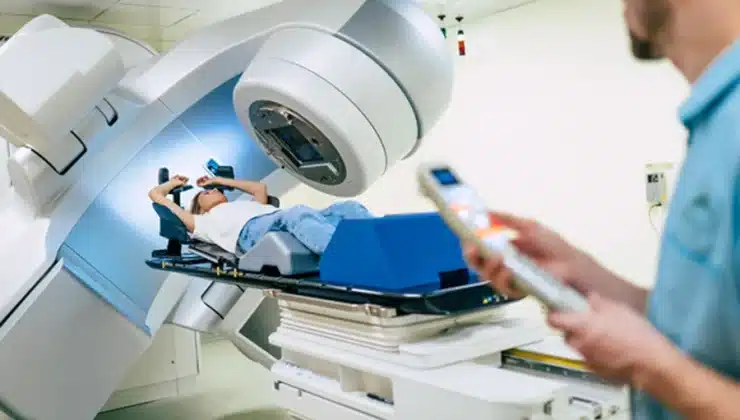
Cancer is one of the most challenging health conditions worldwide, but the good news is that medical science is continuously evolving. In Delhi, patients can access some of the most advanced technologies in oncology, helping them receive precise treatment, better outcomes, and improved quality of life. If you are searching for a trusted cancer hospital in Delhi, you will find that modern healthcare centres are well-equipped with advanced technologies, machines and minimally invasive procedures that are changing the way cancer is managed.
Why Technology Matters in Cancer Care?
Cancer treatment is not only about medication and surgery. Technology also plays a crucial role in detecting the disease early, staging it correctly, and treating it in the most effective and least invasive way. Advanced diagnostic imaging, robotic-assisted surgeries, high-precision radiation therapy, and non-invasive scans all work together to give doctors the tools they need to design personalised treatment plans.
When patients choose a cancer hospital in Delhi that is equipped with the latest medical technology, they benefit from:
- Faster and more accurate diagnosis
- Targeted treatments that minimise damage to healthy tissues
- Reduced side effects during and after treatment
- Shorter hospital stays and faster recovery
- Higher chances of successful outcomes
Now let’s look at some of the most advanced technologies being used.
Robotic-Assisted Surgery
Robotic surgery is one of the most exciting advancements in oncology. Unlike traditional open surgeries, robotic systems allow doctors to perform complex operations with high precision through tiny incisions. This means:
- Lower risk of infections and complications
- Minimal scarring and blood loss
- Faster recovery and return to normal activities
- Shorter hospital stay
For cancer patients, robotic-assisted surgery is especially useful in areas where accuracy is crucial, such as urological cancers, gynaecological cancers and head and neck cancers. This approach gives surgeons enhanced control and visibility while sparing surrounding healthy tissues.
Radiation Therapy with Versa-HD and Elekta Synergy
Radiation therapy has been a core part of cancer treatment for decades, but recent innovations have made it far more precise and safer. Advanced linear accelerators like Versa-HD and Elekta Synergy are designed to deliver high doses of radiation directly to the tumour while minimising exposure to nearby organs.
Key benefits of these systems include:
- Motion management in real time, meaning the tumour can be tracked even if it moves during breathing
- Shorter treatment times with faster radiation delivery
- Reduced side effects because of highly targeted beams
This technology is particularly effective for treating lung, breast, and gastrointestinal cancers where precision is critical.
PET-CT Scans
Diagnosis and staging are just as important as treatment. PET-CT scans are among the most advanced diagnostic tools available today. Using Light Burst PET Detector Technology, modern PET-CT machines offer:
- Excellent image clarity and sensitivity
- Low-dose scanning for reduced radiation exposure
- Fast scan times for patient comfort
PET-CT scans are used to detect the spread of cancer, evaluate the effectiveness of treatment, and guide doctors in designing the best therapy plan. In a leading cancer hospital in Delhi, this test forms the backbone of precision oncology.
Gamma Camera and SPECT
Nuclear medicine imaging is another advanced diagnostic method widely used in Delhi. Gamma Cameras and SPECT (Single Photon Emission Computed Tomography) scanners help provide highly detailed images that allow oncologists to study how organs and tissues are functioning.
With advanced detectors and low-dose technology, these machines deliver high-quality results quickly, making them invaluable for cancer diagnosis and monitoring.
MRI with RT Mapping
Magnetic Resonance Imaging (MRI) is already a powerful tool, but when combined with advanced features like RT (Radiotherapy) Mapping, it becomes even more valuable in oncology.
Modern 3 Tesla MRI machines provide:
- High-resolution images
- Faster scan speeds
- MR-based treatment planning systems
These technologies help in planning radiation therapy with utmost precision, ensuring the tumour is treated effectively while sparing healthy tissues.
CT Scan with 256 Slice Technology
CT Scans are essential for detecting and monitoring cancers. The latest 256 Slice CT technology ensures:
- Lower radiation doses with superior image quality
- Accurate tumour visualisation
- Low noise even at low energy levels
Such scans help doctors make clear treatment decisions, especially when monitoring complex cancers or guiding surgical procedures.
Digital Mammography
For breast cancer detection, digital mammography is one of the most reliable screening methods. Full-field digital mammography systems provide:
- Detailed breast images for early detection
- Less discomfort compared to older methods
- Faster results and better clarity
With early detection, breast cancer can often be treated more effectively and with less invasive methods.
Fibroscan and Sudo Scan
Beyond imaging, some newer technologies provide painless and non-invasive evaluations of organ health. For example:
- Fibroscan: Used for liver assessment, it helps evaluate changes in liver tissue without the need for a biopsy.
- Sudo Scan: A quick test that evaluates small nerve function in just a few minutes.
These methods improve patient comfort and reduce the risks associated with invasive diagnostic tests.
4D Ultrasound
Ultrasound technology has also evolved significantly. The latest 4D Ultrasound systems allow real-time imaging with panoramic views. Features like I-Scan, Auto Scan, and Smart Exam provide better visualisation of tumours, aiding both diagnosis and treatment planning.
Brachytherapy
Brachytherapy is a form of internal radiation therapy where a radioactive source is placed inside or very close to the tumour. Modern HDR (High Dose Rate) Brachytherapy machines deliver radiation with remarkable accuracy. The benefits include:
- Organ preservation
- Reduced exposure to surrounding healthy tissues
- Effective treatment of cervical, prostate, and other localised cancers
This technique offers patients a less invasive yet highly effective treatment option.
Comprehensive Care with Technology
What makes the difference in a cancer hospital in Delhi is not just having one or two advanced machines but offering an integrated approach. Modern hospitals combine the expertise of oncologists, radiologists, surgeons, and nuclear medicine specialists with these advanced technologies. The result is comprehensive cancer care under one roof, from early detection to personalised treatment plans and ongoing monitoring.
Final Thoughts
Cancer treatment has advanced rapidly over the past decade, and patients in Delhi now have access to some of the world’s most sophisticated technologies. From robotic-assisted surgery to advanced radiation therapy, from PET-CT scans to 3 Tesla MRI machines, these innovations ensure that patients receive safe, precise, and effective care.
Choosing the right cancer hospital in Delhi means choosing a place that combines expert medical teams with innovative technology. Leading hospitals in Delhi, like Venkateshwar Hospital, stand as an example of how modern healthcare can blend compassion with innovation, offering patients not only treatment but also hope for a healthier tomorrow.