
Why Leather Office Chairs Remain the Timeless Choice for Executive Workspaces
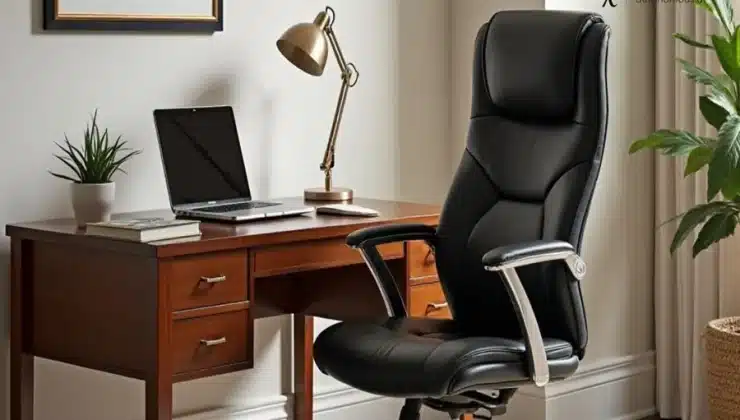
In a world of ergonomic mesh seating, flexible hot-desking, and standing desks, one office staple has retained its authority and appeal: the leather office chair. For decades, leather seating has symbolised status, comfort, and durability in professional environments. Even as workplace design evolves, leather chairs continue to hold their ground as a trusted choice for executives, boardrooms, and client-facing spaces.
This article explores why leather office chairs have stood the test of time, the benefits they provide in modern workspaces, and how businesses can make smart choices when selecting them.
A Symbol of Authority and Professionalism
The workplace is not just a functional space; it’s also a stage where brand identity and leadership are conveyed. Furniture plays a role in that perception, and leather office chairs have long been associated with authority, confidence, and prestige.
From corner offices to boardrooms, the sight of a high-back leather chair instantly conveys seniority. For visiting clients, the visual impression of a leather seat behind the desk signals stability and professionalism — qualities that inspire trust in business relationships.
Comfort Beyond First Impressions
Style alone is never enough in today’s workplace. Employees and executives alike are spending long hours at their desks, which means comfort is critical. Contrary to the misconception that leather chairs prioritise appearance over function, many modern designs integrate ergonomic features such as:
- Lumbar support to reduce strain on the lower back.
- Adjustable armrests for custom posture alignment.
- Tilt and recline mechanisms to encourage movement.
- High-density cushioning that provides all-day comfort.
These features combine the luxury of leather with the health benefits of ergonomics, bridging the gap between tradition and modern workplace needs.
Durability and Long-Term Value
One of the most overlooked advantages of leather seating is its longevity. Genuine leather, when properly cared for, can outlast synthetic alternatives by many years. It resists wear and tear, develops a unique patina over time, and retains its structural integrity better than many fabric chairs.
For businesses, this translates into long-term savings. While the upfront investment may be higher, the durability of leather chairs often means fewer replacements over the years — a critical consideration for cost-conscious companies.
A Fit for Hybrid and Flexible Workspaces
Australia’s workplaces are increasingly hybrid, with employees splitting time between the office and home. This has led to a shift in how companies furnish their spaces. While collaborative zones may favour flexible, lightweight seating, executive offices and meeting rooms still rely on leather chairs for their sense of permanence and gravitas.
Even remote workers are investing in high-quality chairs that bring comfort and style to their home offices. In both corporate and home environments, the appeal of leather remains consistent.
Sustainability Considerations
Today’s buyers are more environmentally conscious, and leather products can sometimes be scrutinised in that context. However, leather office chairs can align with sustainability goals when businesses:
- Select genuine leather over cheap synthetic imitations that wear out quickly.
- Prioritise durability, reducing the need for frequent replacements.
- Choose suppliers with responsible sourcing policies, ensuring ethical production.
In many cases, the longevity of a quality leather chair offsets its initial footprint, especially compared to fast-wearing fabric alternatives.
Case Study: The Boardroom Upgrade
Consider an Australian consultancy firm that recently refurbished its Melbourne office. The design brief called for furniture that projected confidence to clients while also supporting staff wellbeing. The company chose a mix of ergonomic mesh chairs for general staff and leather office chairs for directors and the boardroom.
The outcome was striking:
- Visiting clients remarked on the professional image the boardroom conveyed.
- Staff feedback showed greater comfort in long meetings.
- The company projected a consistent brand identity, aligning premium service with a premium workplace.
This case shows how leather seating isn’t about nostalgia — it’s about creating a workplace that balances image with comfort.
Choosing the Right Leather Office Chair
For businesses considering an upgrade, several factors should guide the selection of a leather chair:
- Ergonomic Features – Look for models with adjustable lumbar support, height controls, and reclining mechanisms.
- Size and Proportion – Match the chair’s scale to the office space and desk dimensions.
- Leather Type – Genuine leather offers the best balance of durability and comfort. Bonded or faux leather may be cost-effective but often lacks longevity.
- Colour Options – While black remains classic, brown and tan tones can soften the look of an office.
- Usage Context – High-back chairs suit executives and boardrooms, while mid-back models may fit general office spaces.
The Future of Leather Seating
As workplaces evolve, furniture is expected to balance flexibility with tradition. Leather chairs are adapting to this demand:
- Hybrid Materials – Some models combine leather with mesh inserts for breathability.
- Sustainable Leather Alternatives – Ethical sourcing and eco-friendly tanning processes are becoming standard.
- Technology Integration – Features like posture sensors or pressure-relief cushioning are being trialled in premium models.
Far from being outdated, leather office chairs are evolving to meet the demands of modern businesses.
Where Leather Chairs Fit in Modern Branding
Office furniture is more than a practical necessity — it’s a reflection of brand identity. For law firms, finance companies, and consultancies, leather seating reinforces an image of tradition, reliability, and authority. In creative or tech industries, leather chairs can be integrated into boardrooms or client-facing areas to balance modern innovation with professional credibility.
By carefully choosing where and how leather chairs are used, businesses can align their workplace design with their organisational values.
Final Thoughts
While trends in office furniture continue to shift, leather office chairs remain a fixture of professional workspaces for good reason. They combine authority with comfort, style with durability, and tradition with modern ergonomics. For executives and organisations alike, investing in quality leather seating is not just a design choice — it’s a statement about values, professionalism, and long-term thinking.
For businesses in Australia exploring options, many are turning to suppliers who offer a balance of ergonomic features and timeless design. Today’s leather office chairs deliver both the aesthetic impact and the day-to-day comfort needed in a modern workplace.