
What Homeowners Should Know About Roof Repair Costs in 2025
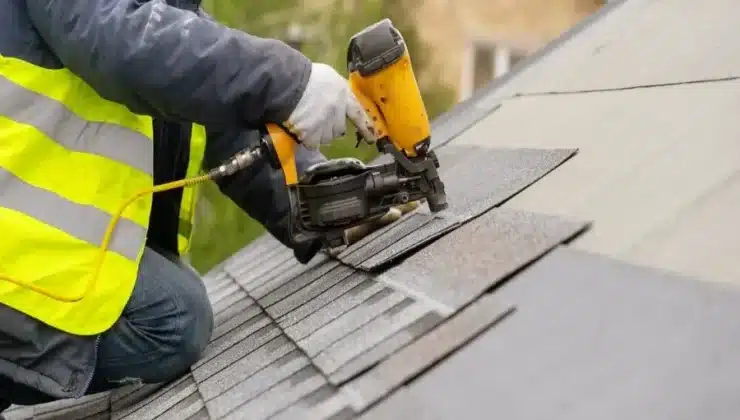
A sturdy roof is essential for protecting a home, but understanding repair costs can feel overwhelming. As 2025 approaches, homeowners face evolving factors like material prices, labor rates, and emerging technologies that impact repair expenses. Staying informed can help avoid surprises and make budgeting easier.
Roof repairs aren’t one-size-fits-all. The cost depends on factors like the extent of damage, roof type, and local market trends. With rising inflation and supply chain challenges, knowing what to expect in 2025 is more important than ever. Homeowners who plan ahead can save time, money, and stress.
Main Factors That Determine Roof Repair Pricing in 2025
Material Type
The type of roofing material significantly impacts repair costs. Asphalt shingles, commonly used due to affordability, typically cost less to repair than high-end materials like slate or metal. For example, restoring asphalt shingles might range from $150 to $500, while slate repairs could exceed $1,000.
Damage Severity
The extent of roof damage directly affects repair pricing. Minor problems, such as sealing small leaks or replacing a few shingles, often cost under $500. In contrast, extensive damage requiring structural repairs can increase costs to several thousand dollars.
Labor Rates
Regional labor costs influence overall expenses. Urban areas with higher living costs often see elevated contractor rates compared to rural regions. For instance, labor charges in metropolitan areas might range from $50 to $100 per hour, adding substantial variability to estimates.
Roof Pitch and Accessibility
Steep or hard-to-access roofs generally involve higher repair fees. Contractors may require specialized equipment or additional safety measures, elevating the Average Roof Repair Cost. Flat roofs or structures with easy access usually entail lower fees.
Market Conditions
Economic factors, including inflation and supply chain trends, affect material and labor pricing. Rising material costs, particularly for high-quality exteriors, contribute to increased repair expenses in 2025. Homeowners in regions with high demand might face further cost escalations.
How Roofing Material Type Impacts Overall Repair Expenses
Roofing material significantly affects repair expenses due to variations in cost, durability, and complexity. Asphalt shingles, one of the most common materials, have a relatively low average roof repair cost, typically ranging from $100 to $300 for minor fixes. Metal roofing often incurs higher costs, with repairs averaging $300 to $600 due to specialized tools and expertise required. Slate and clay tiles represent high-end options, with repair costs often exceeding $1,000 per incident because of their weight and fragility.
Composite shingles and wood shakes fall between asphalt and premium materials in terms of cost. Composite shingle repairs average $200 to $500, while wood shake repairs can range from $250 to $750 depending on the extent of the damage. Material-specific factors, such as availability and installation complexity, further impact pricing.
Quality Exteriors constructed with higher-grade materials may involve more labor-intensive repairs, leading to increased expenses. Materials such as copper or solar-integrated roofing, while rare, can result in costs surpassing $1,500 due to their technological components and custom restoration processes.
Labor Rate Trends Across U.S. Regions This Year
Labor rates in 2025 exhibit notable regional variation, affecting the average roof repair cost nationwide. In urban areas like New York and Los Angeles, hourly roofing labor charges average $75 to $125 due to higher living expenses and demand for skilled workers. Comparatively, rural regions like the Midwest report lower rates, typically ranging from $40 to $70 per hour. Southern states, such as Texas and Florida, show moderate labor costs, averaging $50 to $90 per hour, influenced by a competitive contractor market.
Market conditions directly impact these rates. Northeastern regions with older housing stock often experience higher costs due to complex repairs. In contrast, areas with newer construction, like parts of the West, may see slightly lower repair rates due to simpler repair needs. Severe weather-prone regions, including the Gulf Coast, frequently experience elevated labor costs due to the increased demand following storm-related roof damage.
Technological adoption also plays a role. Some companies offering quality exteriors in competitive markets have integrated advanced tools, slightly reducing manual labor time yet maintaining higher pricing due to specialized skills. Labor shortages contribute to rising costs in certain areas, particularly in regions with limited skilled roofing professionals. Regional cost differences, combined with material expenses, significantly shape homeowners’ financial planning.
Estimating Repair Costs for Common Residential Issues
Repair costs for common residential roof issues depend on damage type, material, and labor rates. Minor leak repairs involving asphalt shingles typically range from $150 to $350. Damage to flashing or vents costs approximately $200 to $500 per repair. Replacing broken or missing shingles typically falls between $100 and $200 for single replacements, with higher quality materials increasing costs.
If structural issues such as sagging occur due to water damage or aging, costs rise significantly. Reinforcing or rebuilding roof sections may cost between $1,000 and $3,000, depending on the extent of the repair and material. Storm or wind damage often involves wide-scale shingle replacement or repairing underlayment, with estimates ranging from $400 to $1,500.
Material type directly influences average repair costs. Standard asphalt shingles incur lower expenses compared to premium products. Metal roofs require specialized repair techniques, with average costs around $300 to $600. Quality exteriors, like slate or clay tiles, are costlier to repair, exceeding $1,000 in many cases due to their labor-intensive nature.
Cost adjustments arise based on roof accessibility and slope. Steep or multi-story roofs may add 10%-30% to repair expenses due to added safety precautions and equipment needs. Understanding these factors helps homeowners estimate repair budgets accurately for 2025.
When Insurance May Cover a Portion of Your Roof Repairs
Insurance can sometimes offset roof repair expenses, particularly for damage caused by covered events. Policies often include provisions for issues like hail, windstorms, or falling debris, provided the homeowner reports damage promptly and the roof isn’t beyond its lifespan. For instance, average roof repair costs stemming from storm-related damage may range from $400 to $1,500, with insurance reimbursing a significant portion for qualifying claims.
Homeowners must confirm whether their policy covers the specific cause of damage. While most policies address sudden, accidental incidents like storm damage, they typically exclude repairs due to wear and tear or poor maintenance. For example, damage to Quality Exteriors caused by improper upkeep may not qualify for reimbursement.
Deductibles play a critical role in determining out-of-pocket expenses. If the average roof repair cost is close to or below the deductible, filing a claim may not produce financial benefits. Conversely, high-value repairs, such as extensive storm damage to luxury materials like slate, can justify the claim process when costs exceed the deductible threshold.
Documentation boosts the chances of claim approval. Photos, repair estimates, and detailed reports from licensed professionals strengthen claims by providing clear evidence of damage severity. Insurers may also require inspections to verify repair needs.
Warning Signs That Could Increase Future Roofing Expenses
Homeowners who stay proactive can often avoid costly roof repairs. Ignoring minor issues like small leaks, cracked shingles, or damaged flashing can lead to more extensive damage over time. Regular inspections and timely maintenance are essential to catch problems early and prevent structural issues that could escalate repair costs significantly.
Understanding factors like material durability, labor trends, and insurance coverage can help homeowners make informed decisions. By addressing warning signs promptly and budgeting for potential repairs, they can protect their investment and ensure their roof remains in optimal condition for years to come.