
Dentist in Reseda, CA Shares What to Do If Your Filling Falls Out and When to Seek Help
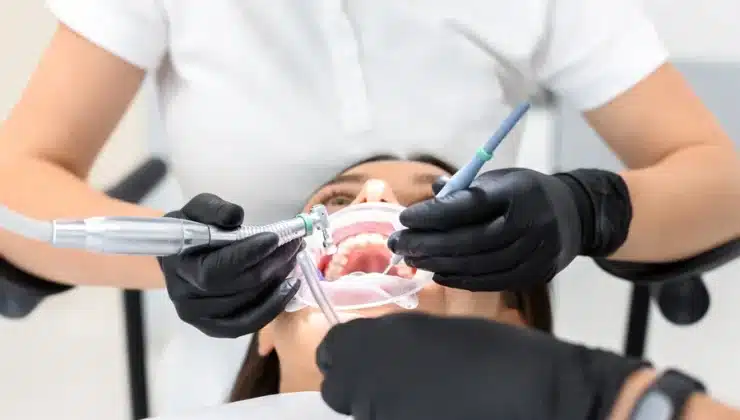
Dental fillings are a routine part of modern dentistry, providing a durable way to repair cavities and restore damaged teeth. But despite their longevity, fillings can sometimes fall out unexpectedly, leaving you exposed to pain, infection, and anxiety about your next steps. Knowing what to do in this situation can prevent further complications and put you back on the path to a healthy smile. For professional advice, quick appointments, and compassionate dental care, visit https://esmiledentalcare.com.
Why Do Fillings Fall Out?
Fillings, whether composite, amalgam, or another material, are subjected to daily wear and tear from eating, drinking, and biting. Over time, several factors can cause a filling to loosen or fall out:
- Chewing Hard Foods: Biting down on hard foods like ice, nuts, or candy can crack or dislodge a filling.
- Tooth Decay: New decay can develop around a filling, breaking the seal and causing it to become loose.
- Bruxism: Grinding or clenching your teeth can weaken the bond between the filling and tooth structure.
- Trauma: Accidental blows to the face or mouth can jar fillings loose.
- Material Breakdown: Fillings naturally wear down and degrade over time, especially if they’re old.
No matter the cause, it’s crucial to act quickly to protect the exposed tooth and prevent infection.
What to Do Immediately If Your Filling Falls Out
- Stay Calm and Assess the Situation
Losing a filling can feel alarming, but it’s a common dental emergency that can be fixed. Stay calm and focus on protecting your tooth until you can see your dentist. - Remove the Filling Fragment
If you feel the filling moving around in your mouth, gently remove it so you don’t accidentally swallow or inhale it. If you do swallow it, it should pass through your digestive system safely, but if you have concerns, contact your dentist. - Rinse Your Mouth Thoroughly
Gently rinse with warm salt water to clean the affected area, remove debris, and help reduce the risk of infection. - Protect the Exposed Tooth
- Avoid Eating on That Side: Chewing with the exposed tooth can increase discomfort and risk further damage.
- Stick to Soft Foods: Choose soups, yogurts, and mashed foods until the tooth is repaired.
- Temporary Filling Material: Pharmacies offer over-the-counter dental cement or temporary filling kits. These can offer short-term protection by sealing the cavity until your appointment.
- Sugar-Free Gum: In a pinch, a small piece of sugar-free gum can help cover the hole and shield the sensitive area from air and debris.
- Manage Discomfort
Mild pain and sensitivity are common. Over-the-counter pain relievers (like acetaminophen or ibuprofen) can help. You can also use clove oil on a cotton swab to numb the area naturally. - Call Your Dentist Right Away
Schedule an appointment as soon as possible. Many practices, such as https://esmiledentalcare.com, offer emergency dental services for situations like a lost filling. The sooner you’re seen, the lower your risk of complications.
When to Seek Immediate Dental Help
Most cases of lost fillings are not life-threatening, but there are certain scenarios where you should seek emergency dental care without delay:
- Severe pain that doesn’t respond to painkillers
- Swelling of the gums, face, or jaw
- Pus or signs of infection
- Fever or general malaise
- Difficulty swallowing or breathing
- A large part of your tooth has broken off with the filling
Ignoring these signs can lead to serious infections, abscesses, or even more complex dental work.

How Will the Dentist Fix a Lost Filling?
At your dental appointment, your dentist will:
- Examine and Clean the Tooth: The dentist will inspect the tooth for new decay, cracks, or infection and clean out any debris or bacteria.
- Assess the Damage: If only the filling fell out and the tooth is otherwise healthy, a new filling can usually be placed.
- Provide Treatment:
- New Filling: Most often, a new composite or amalgam filling is used to restore the tooth.
- Dental Crown: If a large portion of the tooth is missing or weakened, your dentist may recommend a crown for added strength and protection.
- Root Canal Therapy: If decay or infection has reached the tooth’s pulp, a root canal may be necessary before restoration.
- Review Prevention Tips: Your dentist may offer advice to help you avoid a repeat occurrence, such as addressing tooth grinding or improving oral hygiene habits.
What NOT to Do When a Filling Falls Out
- Don’t ignore the issue: Delaying treatment can lead to infection, decay, or even tooth loss.
- Don’t use household glues: These are toxic and not safe for use in your mouth.
- Don’t eat hard, sticky, or sugary foods: These can worsen pain and damage the tooth further.
- Don’t self-diagnose: Even if the pain stops, it’s still important to see a dentist.
Preventing Fillings from Falling Out
While some wear and tear is inevitable, you can lower your risk of future problems:
- Maintain Excellent Oral Hygiene: Brush at least twice daily and floss regularly.
- See Your Dentist for Regular Checkups: Your dentist can spot loose or worn fillings before they fall out.
- Avoid Chewing Hard Objects: Ice, hard candy, and even pens can weaken fillings.
- Address Tooth Grinding: A night guard can help protect your fillings if you grind your teeth at night.
A lost filling isn’t just an inconvenience; it’s a signal from your body to take action and protect your oral health. Acting quickly by following the right steps can make all the difference. Remember to clean and protect your tooth, manage discomfort, and contact your dentist as soon as possible. If you’re in need of immediate, caring dental support, Dentist in Reseda is there to help you restore your comfort and keep your smile healthy.