
What Disney, Apple, and IKEA Can Teach Us About Trade Show
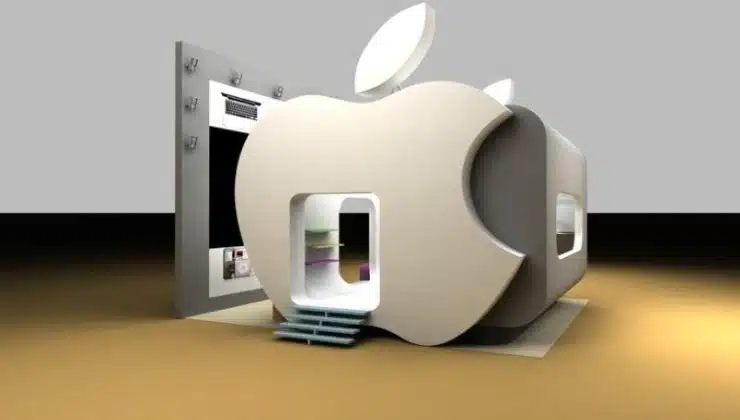
When you think of brands that have mastered the art of customer experience, companies like Disney, Apple, and IKEA often top the list. They’re not just selling products—they’re curating entire environments that captivate, engage, and convert.
So what can trade show exhibitors learn from these brand giants? A lot more than you might expect. While a trade show booth isn’t the same as a flagship store or theme park, the core design principles that make these brands successful can be adapted to any booth design—no matter the size or budget.
Let’s break down what each of these powerhouse brands does exceptionally well, and how you can use those lessons to elevate your own trade show presence.
Disney: Immersive Storytelling Creates Connection
Disney doesn’t just build theme parks—they build worlds. Every detail, from signage to background music, supports a larger story. The moment guests enter, they’re transported.
Booth design takeaway: Tell a compelling story.
Your trade show booth should instantly communicate who you are, what you do, and why it matters—all within a few seconds. Use visual storytelling to immerse attendees in your brand’s world.
- Use consistent colors, fonts, and tone across all displays
- Create a journey through your booth, guiding visitors from problem to solution
- Incorporate themed visuals, interactive elements, or even subtle sound design to set the mood
Even if you only have a 10×10 space, thinking like Disney means building an experience—not just a display.
Apple: Simplicity Builds Trust
Walk into any Apple store, and you’ll notice one thing immediately: simplicity. The clean layout, white space, minimal signage, and high-quality materials let the products shine. It’s not overwhelming—it’s calming. And it builds trust.
Booth design takeaway: Less is more.
Your booth doesn’t need to show everything at once. In fact, restraint is often more powerful. A streamlined booth design suggests professionalism, clarity, and confidence in your offer.
- Use bold, simple headlines instead of dense paragraphs
- Limit your product display to 1–3 hero items
- Avoid clutter—negative space can be just as effective as visual elements
Apple’s genius lies in knowing that people are drawn to clarity. That same principle can help your booth rise above the noise of a crowded trade show floor.
IKEA: Function Meets Flow
IKEA is famous for making people move through their space in a certain way—and love it. From floor arrows to staged rooms, every detail serves a purpose: to guide, inspire, and convert.
Booth design takeaway: Layout drives behavior.
You can apply IKEA’s layout thinking to your trade show booth design by guiding visitors through a purposeful experience. Instead of letting people wander aimlessly, create a layout that encourages exploration.
- Use signage or physical elements to direct flow (like angled product displays or subtle floor decals)
- Place key messaging at eye level, near natural stopping points
- Use zones or “stations” for different types of engagement—demos, conversations, or lead capture
Great custom booth displays anticipates how people will move and makes the journey seamless.
Bonus: All Three Brands Prioritize Emotion
Here’s what truly separates Disney, Apple, and IKEA from the competition—they design for feeling. They know that decisions aren’t just rational; they’re emotional.
Booth design takeaway: Make attendees feel something.
Use your design choices to evoke emotion, whether it’s excitement, curiosity, inspiration, or trust.
- Incorporate lighting that sets a mood
- Share stories or testimonials that build empathy
- Add interactive elements that create fun, memorable moments
When people feel something at your booth, they remember your brand—and are far more likely to take action.
Booth Design with Intent
You don’t need the budget of a global brand to apply world-class design principles. Disney, Apple, and IKEA show us that it’s not just about how a space looks—it’s about how it works, and more importantly, how it makes people feel.
The next time you’re planning your trade show booth design, don’t just ask, “What should we show?” Ask, “What should people experience?” When you design with that question in mind, your booth becomes more than a place—it becomes a moment. And moments are what make brands unforgettable.